
What's inside
What's inside
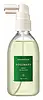 Key Ingredients
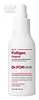
Benefits
Concerns
Ingredients Side-by-side
Alcohol Denat.
Antimicrobial




Rosmarinus Officinalis Leaf Extract
AntimicrobialPinus Densiflora Leaf Extract
Antimicrobial
Water
Skin ConditioningRosmarinus Officinalis Leaf Oil
Masking
Zingiber Officinale Root Extract
Masking

Bifida Ferment Lysate
Skin Conditioning


Lactobacillus Ferment Lysate
Skin Conditioning
Caffeine
Skin Conditioning
Panthenol
Skin Conditioning
Biotin
AntiseborrhoeicThiamine Hcl
MaskingPyridoxine Hcl
Skin ConditioningAscorbic Acid
Antioxidant



Menadione
MaskingRiboflavin
Cosmetic ColorantOryza Sativa Extract
Absorbent
Glycine Soja Seed Extract
Skin Conditioning
Sesamum Indicum Seed Extract
Skin Conditioning
Solanum Melongena Fruit Extract
Skin ConditioningMorus Alba Fruit Extract
Antioxidant
Piper Nigrum Seed Extract
RefreshingSalicylic Acid
Masking



Lavandula Angustifolia Oil
Masking


Menthol
Masking
Glycerin
Humectant
Ethylhexylglycerin
Skin ConditioningCitrus Aurantium Dulcis Peel Oil
Masking
Mentha Viridis Leaf Oil
Astringent
Mentha Spicata Herb Oil
Perfuming
Melia Azadirachta Leaf Extract
Skin ConditioningMelia Azadirachta Flower Extract
Skin ConditioningGeraniol
Perfuming
Limonene
Perfuming
Linalool
Perfuming
1,2-Hexanediol
Skin Conditioning
Benzyl Glycol
SolventAlcohol Denat., Rosmarinus Officinalis Leaf Extract, Pinus Densiflora Leaf Extract, Water, Rosmarinus Officinalis Leaf Oil, Zingiber Officinale Root Extract, Bifida Ferment Lysate, Lactobacillus Ferment Lysate, Caffeine, Panthenol, Biotin, Thiamine Hcl, Pyridoxine Hcl, Ascorbic Acid, Menadione, Riboflavin, Oryza Sativa Extract, Glycine Soja Seed Extract, Sesamum Indicum Seed Extract, Solanum Melongena Fruit Extract, Morus Alba Fruit Extract, Piper Nigrum Seed Extract, Salicylic Acid, Lavandula Angustifolia Oil, Menthol, Glycerin, Ethylhexylglycerin, Citrus Aurantium Dulcis Peel Oil, Mentha Viridis Leaf Oil, Mentha Spicata Herb Oil, Melia Azadirachta Leaf Extract, Melia Azadirachta Flower Extract, Geraniol, Limonene, Linalool, 1,2-Hexanediol, Benzyl Glycol
Water
Skin ConditioningAlcohol
Antimicrobial
Glycerin
Humectant
Caprylic/Capric Triglyceride
Masking
Biotin
AntiseborrhoeicCeramide NP
Skin Conditioning
Panthenol
Skin Conditioning
Propanediol
Solvent
Adenosine
Skin Conditioning
Mentha Piperita Oil
Masking
Serenoa Serrulata Fruit Extract
Skin Conditioning
Allantoin
Skin Conditioning
Ganoderma Lucidum Extract
Skin Protecting
Panax Ginseng Root Extract
Emollient
Caffeic Acid
Antioxidant
Rosmarinus Officinalis Leaf Extract
AntimicrobialEcklonia Cava Extract
Skin ConditioningUrtica Dioica Leaf Extract
Skin ConditioningRhodiola Rosea Root Extract
EmollientDioscorea Japonica Root Extract
Skin Conditioning
Paeonia Lactiflora Root Extract
Skin ConditioningZingiber Officinale Root Extract
Masking
Sophora Flavescens Extract
Skin ConditioningCaprylyl Glycol
Emollient
Lecithin
Emollient
1,2-Hexanediol
Skin Conditioning
Ethylhexylglycerin
Skin ConditioningPolysorbate 80
Emulsifying
PEG-60 Hydrogenated Castor Oil
Emulsifying
Disodium EDTA
Citric Acid
Buffering
Sodium Citrate
BufferingParfum
Masking
Water, Alcohol, Glycerin, Caprylic/Capric Triglyceride, Biotin, Ceramide NP, Panthenol, Propanediol, Adenosine, Mentha Piperita Oil, Serenoa Serrulata Fruit Extract, Allantoin, Ganoderma Lucidum Extract, Panax Ginseng Root Extract, Caffeic Acid, Rosmarinus Officinalis Leaf Extract, Ecklonia Cava Extract, Urtica Dioica Leaf Extract, Rhodiola Rosea Root Extract, Dioscorea Japonica Root Extract, Paeonia Lactiflora Root Extract, Zingiber Officinale Root Extract, Sophora Flavescens Extract, Caprylyl Glycol, Lecithin, 1,2-Hexanediol, Ethylhexylglycerin, Polysorbate 80, PEG-60 Hydrogenated Castor Oil, Disodium EDTA, Citric Acid, Sodium Citrate, Parfum
Reviews
Alternatives
Ingredients Explained
These ingredients are found in both products.
Ingredients higher up in an ingredient list are typically present in a larger amount.
1,2-Hexanediol is a synthetic liquid and another multi-functional powerhouse.
It is a:
- Humectant, drawing moisture into the skin
- Emollient, helping to soften skin
- Solvent, dispersing and stabilizing formulas
- Preservative booster, enhancing the antimicrobial activity of other preservatives
Biotin is a B vitamin that is naturally produced by our bodies. It is also called Vitamin H.
Our bodies use biotin in the metabolism process. It also helps our bodies use enzymes and move nutrients around. A biotin deficiency can lead to brittle hair and nails.
More research is needed on applying biotin topically. However, taking biotin orally has been shown to help nourish the skin, hair, and nails. They play a role in forming skin-hydrating fatty acids.
Biotin is water-soluble. It can be found in foods such as fish, eggs, dairy, nuts, and meat. Vitamin H stands for "haar" and "haut". These are the German words for hair and skin.
Learn more about BiotinEthylhexylglycerin is created from glycerin. It is a multitasker ingredient that:
The CIR Expert Panel found minimal skin absorption or sensitization of any kind in a safety assessment. Though this ingredient is considered well-tolerated, a small number of cases of allergic dermatitis have been published since 2002. Just be sure to patch test if you are unsure.
Industry-reported use ranges from 8% in rinse-off products and 2% in leave-on formulations.
Learn more about EthylhexylglycerinGlycerin (or glycerol) is a compound naturally found in your skin. It's a powerhouse humectant that pulls water into the stratum corneum.
Topically, glycerin does several things at once:
Your skin makes glycerin on its own (mostly from sebaceous oil breakdown) and shuttles it to your outermost layer of skin, or your epidermis, via aquaporin-3.
Aquaporin-3 is a transporter that is essential for normal skin hydration, elasticity, and repair. Interestingly, mice lacking in AQP3 have dry and less elastic skin that can be fully corrected with glycerin.
This ingredient is non-irritating, plays well with almost every ingredient, and works across all skin types. Typical use is anywhere between 3-10% but can go up to 79% in some leave-on products.
Just know very high concentrations (>40%) can feel tacky in low humidity.
Glycerin is the name for this ingredient in American English. British English uses Glycerol/Glycerine.
Learn more about GlycerinPanthenol is a common ingredient that helps hydrate and soothe the skin. It is found naturally in our skin and hair.
There are two forms of panthenol: D and L.
D-panthenol is also known as dexpanthenol. Most cosmetics use dexpanthenol or a mixture of D and L-panthenol.
Panthenol is famous due to its ability to go deeper into the skin's layers. Using this ingredient has numerous pros (and no cons):
Like hyaluronic acid, panthenol is a humectant. Humectants are able to bind and hold large amounts of water to keep skin hydrated.
This ingredient works well for wound healing. It works by increasing tissue in the wound and helps close open wounds.
Once oxidized, panthenol converts to pantothenic acid. Panthothenic acid is found in all living cells.
This ingredient is also referred to as pro-vitamin B5.
Learn more about PanthenolThis is a botanical extract from the rosemary plant (the same one you cook with). In skincare, it mostly works as a skin conditioning agent.
Its activity comes from a handful of polyphenols, carnosic acid, carnosol, and rosmarinic acid. Almost 90% of the antioxidant activity of this ingredient can be attributed to canosol and carnosic acid.
These compounds protect your skin two ways:
1) They fight off free radicals, or the unstable molecules from things like sun and pollution that age and damage skin.
2) They help calm inflammation by switching off the chemical signals that tell skin to get red and irritated.
Lab studies also suggest that rosmarinic acid may help protect collagen and slow sugar-related damage to it.
The Cosmetic Ingredient Review has concluded rosemary-derived ingredients to be safe when formulated to be non-sensitizing.
Rosemary can occasionally cause allergic contact dermatitis (due to carnosol), so be sure to patch test if you have reactive or fragrance-sensitive skin.
Learn more about Rosmarinus Officinalis Leaf ExtractWater. It's the most common cosmetic ingredient of all. You'll usually see it at the top of ingredient lists, meaning that it makes up the largest part of the product.
So why is it so popular? Water most often acts as a solvent - this means that it helps dissolve other ingredients into the formulation.
You'll also recognize water as that liquid we all need to stay alive. If you see this, drink a glass of water. Remember to stay hydrated!
Learn more about WaterZingiber Officinale is more commonly known as ginger.
Ginger root has antioxidant, anti-inflammation, and antimicrobial properties.
The antioxidant properties help protect your body from free-radicals. Free-radicals are molecules that may damage your skin cells. As a result, ginger may help slow down signs of aging such as hyperpigmentation and wrinkles.
Studies show ginger inhibits the enzyme that breaks down collagen. It also helps with:
This ingredient has no negative side-effects and is safe to use unless one has a specific allergy to it.
Ginger originates from Southeast Asia but has spread throughout the world. It is now a common spice used in many cultures.
Learn more about Zingiber Officinale Root Extract

