This mild cream cleanser is mild enough to cleanse without leaving skin feeling tight or stripped.


What's inside
What's inside
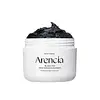 Key Ingredients
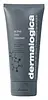
Benefits
Concerns
Ingredients Side-by-side
Glycerin
Humectant


Water
Skin ConditioningSodium Cocoyl Isethionate
Cleansing
Prunus Amygdalus Dulcis Seed Meal
Abrasive
Sodium Cocoyl Glycinate
Cleansing
Charcoal Powder
Abrasive

Coconut Acid
Cleansing

Sodium Methyl Cocoyl Taurate
Cleansing
1,2-Hexanediol
Skin Conditioning
Kaolin
Abrasive
Sodium Isethionate
CleansingGlyceryl Stearate
Emollient
Hydroxypropyl Starch Phosphate
Citrus Limon Peel Oil
Masking






Sodium Chloride
MaskingXanthan Gum
EmulsifyingLimonene
Perfuming
Ethylhexylglycerin
Skin ConditioningButylene Glycol
Humectant
Citrus Junos Fruit Extract
Skin ConditioningCamellia Sinensis Leaf Extract
Antimicrobial




Glycerin, Water, Sodium Cocoyl Isethionate, Prunus Amygdalus Dulcis Seed Meal, Sodium Cocoyl Glycinate, Charcoal Powder, Coconut Acid, Sodium Methyl Cocoyl Taurate, 1,2-Hexanediol, Kaolin, Sodium Isethionate, Glyceryl Stearate, Hydroxypropyl Starch Phosphate, Citrus Limon Peel Oil, Sodium Chloride, Xanthan Gum, Limonene, Ethylhexylglycerin, Butylene Glycol, Citrus Junos Fruit Extract, Camellia Sinensis Leaf Extract
Water
Skin ConditioningSodium Cocoyl Isethionate
Cleansing
Glycerin
Humectant
Carthamus Tinctorius Seed Oil
Masking
Kaolin
Abrasive
Glyceryl Stearate Se
Emulsifying

PEG-100 Stearate
Surfactant
Propanediol
Solvent
Coconut Acid
Cleansing
Butylene Glycol
Humectant
Charcoal Powder
Abrasive
Sodium Astrocaryum Murumuruate
EmollientBrassica Oleracea Italica Extract
AstringentBioflavonoids
Skin ConditioningCitrus Grandis Peel Oil
Masking
Palmitic Acid
Emollient
Sodium Isethionate
CleansingAloe Barbadensis Leaf Extract
Emollient
Melaleuca Alternifolia Leaf Oil
Antioxidant
Cocamidopropyl Betaine
Cleansing
Tocopheryl Acetate
Antioxidant
Myristic Acid
Cleansing
Quartz
Abrasive
Stearic Acid
Cleansing
Ethylhexylglycerin
Skin ConditioningCitric Acid
Buffering
O-Cymen-5-Ol
Antimicrobial
Cetearyl Alcohol
Emollient
Polysorbate 60
Emulsifying
Pentylene Glycol
Skin Conditioning
Polyacrylate Crosspolymer-6
Emulsion StabilisingCaprylyl Glycol
Emollient
Tetrasodium Glutamate Diacetate
ChelatingSodium Hydroxide
BufferingDisodium EDTA
ChelatingCitral
Perfuming
Limonene
Perfuming
CI 77891
Cosmetic ColorantWater, Sodium Cocoyl Isethionate, Glycerin, Carthamus Tinctorius Seed Oil, Kaolin, Glyceryl Stearate Se, PEG-100 Stearate, Propanediol, Coconut Acid, Butylene Glycol, Charcoal Powder, Sodium Astrocaryum Murumuruate, Brassica Oleracea Italica Extract, Bioflavonoids, Citrus Grandis Peel Oil, Palmitic Acid, Sodium Isethionate, Aloe Barbadensis Leaf Extract, Melaleuca Alternifolia Leaf Oil, Cocamidopropyl Betaine, Tocopheryl Acetate, Myristic Acid, Quartz, Stearic Acid, Ethylhexylglycerin, Citric Acid, O-Cymen-5-Ol, Cetearyl Alcohol, Polysorbate 60, Pentylene Glycol, Polyacrylate Crosspolymer-6, Caprylyl Glycol, Tetrasodium Glutamate Diacetate, Sodium Hydroxide, Disodium EDTA, Citral, Limonene, CI 77891
Reviews
Ingredients Explained
These ingredients are found in both products.
Ingredients higher up in an ingredient list are typically present in a larger amount.
Butylene Glycol (or BG) is used within cosmetic products for a few different reasons:
Overall, Butylene Glycol is a safe and well-rounded ingredient that works well with other ingredients.
Though this ingredient works well with most skin types, some people with sensitive skin may experience a reaction such as allergic rashes, closed comedones, or itchiness.
Learn more about Butylene GlycolCharcoal powder comes from grounded charcoal. Charcoal can originate from peat, bamboo, coal, wood, coconut shell, or petroleum.
This ingredient has absorbent properties, making it great at absorbing oil.
Coconut acid is a mixture of fatty acids obtains by hydrolyzing coconut oil and then distilling the fatty acid portion. It works as a cleansing surfactant, emollient, and emulsifier depending on the formulation.
This ingredient is not a single compound but reflects the fatty acid profile of coconut oil itself, which is about 90% saturated.
The dominant fatty acid is lauric acid (44-54%) and then myristic acid (13-19%). There are also small amounts of caprylic, capric, palmitic, oleic, and linoleic acids.
Human testing from CIR has shown no indication this ingredient to be a primary irritant, sensitizer, or phototoxic compound. It's COSMOS-approved for natural and organic products.
Due to the fatty acid content, this ingredient may not be fungal acne safe. Research has confirmed Malassezia can use lauric acid as a food source.
Learn more about Coconut AcidEthylhexylglycerin is created from glycerin. It is a multitasker ingredient that:
The CIR Expert Panel found minimal skin absorption or sensitization of any kind in a safety assessment. Though this ingredient is considered well-tolerated, a small number of cases of allergic dermatitis have been published since 2002. Just be sure to patch test if you are unsure.
Industry-reported use ranges from 8% in rinse-off products and 2% in leave-on formulations.
Learn more about EthylhexylglycerinGlycerin (or glycerol) is a compound naturally found in your skin. It's a powerhouse humectant that pulls water into the stratum corneum.
Topically, glycerin does several things at once:
Your skin makes glycerin on its own (mostly from sebaceous oil breakdown) and shuttles it to your outermost layer of skin, or your epidermis, via aquaporin-3.
Aquaporin-3 is a transporter that is essential for normal skin hydration, elasticity, and repair. Interestingly, mice lacking in AQP3 have dry and less elastic skin that can be fully corrected with glycerin.
This ingredient is non-irritating, plays well with almost every ingredient, and works across all skin types. Typical use is anywhere between 3-10% but can go up to 79% in some leave-on products.
Just know very high concentrations (>40%) can feel tacky in low humidity.
Glycerin is the name for this ingredient in American English. British English uses Glycerol/Glycerine.
Learn more about GlycerinKaolin is a clay. It is used for oil control and to help minimize pores. Like other clays, kaolin has the ability to absorb excess sebum or oil. This can help clean out pores and mattify the skin.
Some types of kaolin may have exfoliating properties. When water is added to kaolin, it becomes a paste with small abrasive particles.
Most kaolin is a white color, but may be pink/orange/red depending on where it comes from.
The name 'kaolin' comes from a Chinese village named 'Gaoling'. Kaolin clay comes from rocks rich in kaolinite. Kaolinite, the mineral, has a silicate layered structure. Kaolinite is formed from chemical weathering of aluminum siilicate minerals.
Besides skincare, kaolin is commonly used to make glossy paper, in ceramics, toothpaste, and as medicine to soothe stomach issues.
Learn more about KaolinLimonene is the compound that gives citrus peel its smell.
In skincare, it shows up as a standalone fragrance ingredient or as a natural compound of citrus and other essential oils.
You'll typically see this ingredient used in very small amounts; anything above 0.001% in a leave-on product or 0.01% in a rinse-off has to be named on the label in the EU. The citrus oils that carry it sit around 0.5-1% in a finished formula.
Fresh limonene is a weak allergen; the real issue is that it slowly reacts with air and then breaks down from oxidation to create hydroperoxides (which are strong sensitizers). This is why suppliers are required to keep the peroxide value below 20 mmol.
Positive reactions in people being investigated for eczema vary:
It's worth skipping if you have a known fragrance allergy or a compromised barrier, but the risk is low for most people.
Older or long-opened products are also more likely to bother you than fresh ones due to oxidation.
Learn more about LimoneneSodium cocoyl isethionate is a natural ingredient from coconut oil. It is an ultra gentle cleanser that gives a nice foam without drying the skin or impacting the skin barrier.
The amount of foam created depends on the amount of sodium cocoyl isethionate used in the product.
This ingredient also helps improve the spreadability of a product.
This ingredient hasn’t been shown in studies to feed fungal acne yeast.
Learn more about Sodium Cocoyl IsethionateWe don't have a description for Sodium Isethionate yet.
Water. It's the most common cosmetic ingredient of all. You'll usually see it at the top of ingredient lists, meaning that it makes up the largest part of the product.
So why is it so popular? Water most often acts as a solvent - this means that it helps dissolve other ingredients into the formulation.
You'll also recognize water as that liquid we all need to stay alive. If you see this, drink a glass of water. Remember to stay hydrated!
Learn more about Water

