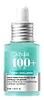
This hydrating serum is formulated around Hydrolyzed Hyaluronic Acid and Niacinamide to hydrate skin and soften the look of wrinkles.
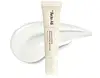
This anti-aging lip moisturizer is formulated around Sodium DNA and Allantoin to soften the look of wrinkles and hydrate lips.

What's inside
What's inside
 Key Ingredients
Benefits
Concerns
Ingredients Side-by-side
Water
Skin ConditioningButylene Glycol
Humectant

Propanediol
Solvent
Glycerin
Humectant
Hydrolyzed Hyaluronic Acid
Humectant

1,2-Hexanediol
Skin Conditioning
Niacinamide
Smoothing








Glyceryl Oleate
Emollient



Lauryl Glucoside
CleansingMyristyl Glucoside
CleansingPolyglyceryl-6 Laurate
Emulsifying
Hydrogenated Lecithin
Emulsifying
Glutathione
Hydrolyzed Collagen
Emollient
Sodium Hyaluronate
Humectant
Coptis Japonica Root Extract
Skin ConditioningAdenosine
Skin Conditioning
Melia Azadirachta Leaf Extract
Skin ConditioningMelia Azadirachta Flower Extract
Skin ConditioningCoccinia Indica Fruit Extract
Skin Conditioning
Sodium DNA
Skin Conditioning
Solanum Melongena Fruit Extract
Skin ConditioningHyaluronic Acid
Humectant
Hydrolyzed Sodium Hyaluronate
Skin Conditioning
Hydroxypropyltrimonium Hyaluronate
Potassium Hyaluronate
Skin ConditioningSodium Hyaluronate Crosspolymer
Humectant
Sodium Acetylated Hyaluronate
Humectant
Ocimum Sanctum Leaf Extract
Skin ConditioningCitric Acid
Buffering
Curcuma Longa Root Extract
Antioxidant
Corallina Officinalis Extract
Skin Conditioning

Sodium Citrate
BufferingPentylene Glycol
Skin Conditioning
Water, Butylene Glycol, Propanediol, Glycerin, Hydrolyzed Hyaluronic Acid, 1,2-Hexanediol, Niacinamide, Glyceryl Oleate, Lauryl Glucoside, Myristyl Glucoside, Polyglyceryl-6 Laurate, Hydrogenated Lecithin, Glutathione, Hydrolyzed Collagen, Sodium Hyaluronate, Coptis Japonica Root Extract, Adenosine, Melia Azadirachta Leaf Extract, Melia Azadirachta Flower Extract, Coccinia Indica Fruit Extract, Sodium DNA, Solanum Melongena Fruit Extract, Hyaluronic Acid, Hydrolyzed Sodium Hyaluronate, Hydroxypropyltrimonium Hyaluronate, Potassium Hyaluronate, Sodium Hyaluronate Crosspolymer, Sodium Acetylated Hyaluronate, Ocimum Sanctum Leaf Extract, Citric Acid, Curcuma Longa Root Extract, Corallina Officinalis Extract, Sodium Citrate, Pentylene Glycol
Polybutene
Pentaerythrityl Tetraethylhexanoate
Emollient
Cetyl Ethylhexanoate
EmollientHydrogenated Polyisobutene
EmollientTribehenin
Emollient
Microcrystalline Wax
Emulsion StabilisingSorbitan Isostearate
Emulsifying
Vp/Hexadecene Copolymer
Silica Silylate
Emollient
Allantoin
Skin Conditioning
Water
Skin ConditioningGlycyrrhetinic Acid
Skin Conditioning
Tocopheryl Acetate
Antioxidant
Butylene Glycol
Humectant
Pyridoxine Hcl
Skin ConditioningAdenosine
Skin Conditioning
Cetylpyridinium Chloride
AntimicrobialPolyglyceryl-2 Oleate
Emulsifying
Hibiscus Sabdariffa Flower Extract
Skin ConditioningOryza Sativa Bran Oil
Emollient
Macadamia Ternifolia Seed Oil
Emollient
Sodium DNA
Skin Conditioning
Pyruvic Acid
MaskingLactic Acid
Buffering
Candida Bombicola/Glucose/Methyl Rapeseedate Ferment
AntimicrobialAcetic Acid
BufferingPolybutene, Pentaerythrityl Tetraethylhexanoate, Cetyl Ethylhexanoate, Hydrogenated Polyisobutene, Tribehenin, Microcrystalline Wax, Sorbitan Isostearate, Vp/Hexadecene Copolymer, Silica Silylate, Allantoin, Water, Glycyrrhetinic Acid, Tocopheryl Acetate, Butylene Glycol, Pyridoxine Hcl, Adenosine, Cetylpyridinium Chloride, Polyglyceryl-2 Oleate, Hibiscus Sabdariffa Flower Extract, Oryza Sativa Bran Oil, Macadamia Ternifolia Seed Oil, Sodium DNA, Pyruvic Acid, Lactic Acid, Candida Bombicola/Glucose/Methyl Rapeseedate Ferment, Acetic Acid
Reviews
Ingredients Explained
These ingredients are found in both products.
Ingredients higher up in an ingredient list are typically present in a larger amount.
Adenosine is a purine nucleoside that your body already makes in every cell. In skincare, it acts mainly as a skin conditioning and anti-aging agent.
The way it works is fairly well mapped out:
Your skin has cells called fibroblasts that build collagen (the stuff that keeps skin firm and smooth). Adenosine basically flips a switch on these cells that tells them to get to work making more collagen and other proteins. These cells slow down on their own as skin ages, so Adenosine helps give them a little nudge to keep going.
The clinical backing is pretty solid too.
A blind, randomized, placebo-controlled trial of 126 women aged 45-65 tested a 0.1% cream twice daily and found real improvements in crow's feet and frown lines using a precise 3D skin-mapping technique; these changes showed up by week 3 and held at 2 months.
A later study using Adenosine-loaded dissolving microneedle patches reported gains in wrinkle depth, dermal density, elasticity, and hydration.
On concentrations, South Korea's Ministry of Food and Drug Safety has set 0.04% as the approved functional anti-wrinkle level. You'll typically see this ingredient used somewhere in the 0.04-0.1% range since it works at low doses.
This ingredient has been found safe for cosmetics with the data showing no irritation or sensitization.
Overall, this is a great ingredient for any anti-aging routine and has no photosensitizing effect, so it suits both AM and PM use.
Learn more about AdenosineButylene Glycol (or BG) is used within cosmetic products for a few different reasons:
Overall, Butylene Glycol is a safe and well-rounded ingredient that works well with other ingredients.
Though this ingredient works well with most skin types, some people with sensitive skin may experience a reaction such as allergic rashes, closed comedones, or itchiness.
Learn more about Butylene GlycolSodium DNA is an emerging anti-aging ingredient.
It is created by taking deoxyribonucleic acid (DNA) and purifying it with sodium hydroxide.
The DNA is extracted from several different animal sources, including: calf thymus, the gonadic tissue of a male sturgeon, or herring / salmon sperm.
You have probably seen this ingredient in anti-aging skincare. But what is it?
DNA is composed of nucleotides, or chemical building blocks. Nucleotides include adenine (A), thymine (T), guanine (G), and cytosine (C). Talk about a flashback to biology! Nucleosides are formed from these nucleotides.
The science behind Sodium DNA is based on an ingredient called Polydeoxyribonucleotide or PDRN.
PDRN are DNA fragments mainly extracted from the sperm cells of trout or salmon. Meaning, PDRN can be derived from Sodium DNA.
PDRN consists of chains of nucleotides and nucleosides mentioned above. They can range anywhere from 80 - 2000 pairs.
Studies show PDRN has the following properties:
Most of the research on PDRN has been done using injectable forms. That’s important, because PDRN is a large molecule and doesn’t absorb well through the skin. So if you’re applying it topically, the effects are likely to be much milder.
Still, topical Sodium DNA is emerging as a trendy anti-aging ingredient. It’s generally well-tolerated and offers good biocompatibility with human skin, making it a low-risk addition to most routines.
Further studies are needed to truly confirm this ingredients anti-aging ability (Remember, retinol has decades of research!).
Sodium DNA may be sourced from fish, animal tissue, or plants. Since this isn’t always disclosed, we recommend asking the brand directly if the ingredient’s origin is important to you.
Learn more about Sodium DNAWater. It's the most common cosmetic ingredient of all. You'll usually see it at the top of ingredient lists, meaning that it makes up the largest part of the product.
So why is it so popular? Water most often acts as a solvent - this means that it helps dissolve other ingredients into the formulation.
You'll also recognize water as that liquid we all need to stay alive. If you see this, drink a glass of water. Remember to stay hydrated!
Learn more about Water

