Anua Niacinamide TXA Brightening Booster Toner Versus Farmacy Brighten Up 3% TXA Dark Spot Toner with Azelaic Acid + PHA
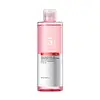
This brightening toner is formulated around Niacinamide and Tranexamic Acid to fade the look of dark spots and brighten dull-looking skin.
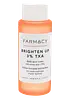
This brightening toner is formulated around Gluconolactone and Tranexamic Acid to fade the look of dark spots and brighten dull-looking skin.


What's inside
What's inside
 Key Ingredients
Benefits
Concerns
Ingredients Side-by-side
Water
Skin ConditioningNiacinamide
Smoothing











Propanediol
Solvent
1,2-Hexanediol
Skin Conditioning
Glycerin
Humectant
Glycereth-25 PCA Isostearate
Emulsifying

Tranexamic Acid
Astringent
Ethylhexylglycerin
Skin ConditioningCarbomer
Emulsion StabilisingCellulose Gum
Emulsion StabilisingAdenosine
Skin Conditioning
Aminomethyl Propanediol
BufferingBiosaccharide Gum-1
Humectant
Disodium EDTA
Butylene Glycol
Humectant
Glycine Soja Seed Extract
Skin Conditioning
Centella Asiatica Extract
Cleansing
Pentylene Glycol
Skin Conditioning
Beta-Glucan
Skin Conditioning
Coptis Japonica Root Extract
Skin ConditioningOctanediol
Cynanchum Atratum Extract
Skin ConditioningCyanocobalamin
Skin ConditioningAlthaea Rosea Flower Extract
Skin ConditioningPropylene Glycol
Humectant
Pyridoxine Hcl
Skin ConditioningXylitylglucoside
Humectant
Polyglyceryl-10 Oleate
Skin Conditioning
Kojic Acid
Antioxidant

Anhydroxylitol
Humectant
Xylitol
Humectant
Xylose
HumectantPhloretin
Antioxidant
Polyacrylate Crosspolymer-6
Emulsion StabilisingXanthan Gum
EmulsifyingZinc Lactate
Sodium Surfactin
CleansingGlutathione
Water, Niacinamide, Propanediol, 1,2-Hexanediol, Glycerin, Glycereth-25 PCA Isostearate, Tranexamic Acid, Ethylhexylglycerin, Carbomer, Cellulose Gum, Adenosine, Aminomethyl Propanediol, Biosaccharide Gum-1, Disodium EDTA, Butylene Glycol, Glycine Soja Seed Extract, Centella Asiatica Extract, Pentylene Glycol, Beta-Glucan, Coptis Japonica Root Extract, Octanediol, Cynanchum Atratum Extract, Cyanocobalamin, Althaea Rosea Flower Extract, Propylene Glycol, Pyridoxine Hcl, Xylitylglucoside, Polyglyceryl-10 Oleate, Kojic Acid, Anhydroxylitol, Xylitol, Xylose, Phloretin, Polyacrylate Crosspolymer-6, Xanthan Gum, Zinc Lactate, Sodium Surfactin, Glutathione
Water
Skin ConditioningGluconolactone
Skin Conditioning
Pentylene Glycol
Skin Conditioning
Isopentyldiol
Humectant
Tranexamic Acid
Astringent
Betaine
Humectant
Propanediol
Solvent
Azelaic Acid
Buffering
Ascorbic Acid
Antioxidant
Citrus Aurantium Amara Fruit Extract
Skin ConditioningCitrus Aurantium Sinensis Peel Extract
Skin ConditioningCitrus Reticulata Fruit Extract
Skin ProtectingGlycerin
Humectant
Allantoin
Skin Conditioning
Polyglycerin-6
HumectantInulin
Skin Conditioning
Fructose
Humectant
Glucose
Humectant
Xanthan Gum
EmulsifyingCellulose Gum
Emulsion StabilisingLactic Acid
Buffering

Citric Acid
Buffering
Sodium Phytate
Cellulose
Absorbent
Water, Gluconolactone, Pentylene Glycol, Isopentyldiol, Tranexamic Acid, Betaine, Propanediol, Azelaic Acid, Ascorbic Acid, Citrus Aurantium Amara Fruit Extract, Citrus Aurantium Sinensis Peel Extract, Citrus Reticulata Fruit Extract, Glycerin, Allantoin, Polyglycerin-6, Inulin, Fructose, Glucose, Xanthan Gum, Cellulose Gum, Lactic Acid, Citric Acid, Sodium Phytate, Cellulose
Reviews
Ingredients Explained
These ingredients are found in both products.
Ingredients higher up in an ingredient list are typically present in a larger amount.
Cellulose Gum is a water-soluble polymer that comes from cellulose. It is used to change the texture of a product and to help stabilize emulsions.
As an emulsifier, cellulose gum specifically thicken the texture of water-based products.
This ingredient is considered hypoallergenic and non-toxic. Cellulose Gum can be found in cosmetics, food, and other household goods such as paper products.
Learn more about Cellulose GumGlycerin (or glycerol) is a compound naturally found in your skin. It's a powerhouse humectant that pulls water into the stratum corneum.
Topically, glycerin does several things at once:
Your skin makes glycerin on its own (mostly from sebaceous oil breakdown) and shuttles it to your outermost layer of skin, or your epidermis, via aquaporin-3.
Aquaporin-3 is a transporter that is essential for normal skin hydration, elasticity, and repair. Interestingly, mice lacking in AQP3 have dry and less elastic skin that can be fully corrected with glycerin.
This ingredient is non-irritating, plays well with almost every ingredient, and works across all skin types. Typical use is anywhere between 3-10% but can go up to 79% in some leave-on products.
Just know very high concentrations (>40%) can feel tacky in low humidity.
Glycerin is the name for this ingredient in American English. British English uses Glycerol/Glycerine.
Learn more about GlycerinPentylene Glycol (1,2-pentanediol) is a multitasking little diol with three main roles in a formula:
Research on alkanediols (the family pentylene glycol belongs to) show they work by disrupting microbial cell membranes. This disruption helps the primary preservative system in a product work more effectively at lower doses.
On the safety side, the Cosmetic Ingredient Review Expert Panel has concluded this ingredient to be safe as used in current cosmetic practices + concentrations.
Typical use levels in a formula run about 1-5%.
Learn more about Pentylene GlycolPropanediol is an all-star ingredient. It softens, hydrates, and smooths the skin.
It’s often used to:
Propanediol is not likely to cause sensitivity and considered safe to use. It is derived from corn or petroleum with a clear color and no scent.
Learn more about PropanediolTranexamic Acid (TXA) is a synthetic lysine derivative that is becoming one of the most exciting brightening ingredients in skincare.
Originally used in medicine as an anti-hemorrhagic agent, its skin brightening potential was discovered by accident; patients taking it orally started noticing their melasma was fading.
Unlike most brighteners that target tyrosinase (the enzyme that synthesizes melanin), TXA works further upstream. It basically blocks your cells from receiving the signal to produce pigment.
This makes it one of the rare actives that works on three pathways at once:
This makes it effective for treating melasma, post-inflammatory hyperpigmentation (PIH), and sun-induced dark spots.
The most effective cosmetic concentration sits between 2-5% and going higher doesn't boost results.
Side effects are generally mild; occasional irritation, flaking, or dryness have been reported at the start of use. Overall, this ingredient is pretty well tolerated, even by sensitive skin types.
Another perk of this ingredient is that it does not cause photosensitivity, so it's safe to use in the AM and PM.
Learn more about Tranexamic AcidWater. It's the most common cosmetic ingredient of all. You'll usually see it at the top of ingredient lists, meaning that it makes up the largest part of the product.
So why is it so popular? Water most often acts as a solvent - this means that it helps dissolve other ingredients into the formulation.
You'll also recognize water as that liquid we all need to stay alive. If you see this, drink a glass of water. Remember to stay hydrated!
Learn more about WaterXanthan gum is used as a stabilizer and thickener within cosmetic products. It helps give products a sticky, thick feeling - preventing them from being too runny.
On the technical side of things, xanthan gum is a polysaccharide - a combination consisting of multiple sugar molecules bonded together.
Xanthan gum is a pretty common and great ingredient. It is a natural, non-toxic, non-irritating ingredient that is also commonly used in food products.
Learn more about Xanthan Gum

