

What's inside
What's inside
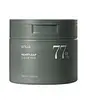 Key Ingredients
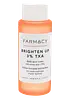
Benefits
Concerns
No concerns
Ingredients Side-by-side
Houttuynia Cordata Flower/Leaf/Stem Water
Antimicrobial
Water
Skin ConditioningGluconolactone
Skin Conditioning







Propanediol
Solvent

Tromethamine
BufferingButylene Glycol
Humectant
1,2-Hexanediol
Skin Conditioning
Sodium Phytate
Betaine
Humectant
Ammonium Acryloyldimethyltaurate/Vp Copolymer
Oenothera Biennis Flower Extract
AstringentPueraria Lobata Root Extract
HumectantPinus Palustris Leaf Extract
TonicUlmus Davidiana Root Extract
Skin Conditioning
Camellia Sinensis Leaf Extract
Antimicrobial
Coix Lacryma-Jobi Ma-Yuen Seed Extract
Skin ConditioningCentella Asiatica Extract
Cleansing
Portulaca Oleracea Extract
Skin Conditioning
Madecassoside
Antioxidant
Asiaticoside
Antioxidant
Asiatic Acid
Skin Conditioning
Madecassic Acid
Skin Conditioning
Houttuynia Cordata Flower/Leaf/Stem Water, Water, Gluconolactone, Propanediol, Tromethamine, Butylene Glycol, 1,2-Hexanediol, Sodium Phytate, Betaine, Ammonium Acryloyldimethyltaurate/Vp Copolymer, Oenothera Biennis Flower Extract, Pueraria Lobata Root Extract, Pinus Palustris Leaf Extract, Ulmus Davidiana Root Extract, Camellia Sinensis Leaf Extract, Coix Lacryma-Jobi Ma-Yuen Seed Extract, Centella Asiatica Extract, Portulaca Oleracea Extract, Madecassoside, Asiaticoside, Asiatic Acid, Madecassic Acid
Water
Skin ConditioningGluconolactone
Skin Conditioning
Pentylene Glycol
Skin Conditioning
Isopentyldiol
Humectant
Tranexamic Acid
Astringent

Betaine
Humectant
Propanediol
Solvent
Azelaic Acid
Buffering
Ascorbic Acid
Antioxidant
Citrus Aurantium Amara Fruit Extract
Skin ConditioningCitrus Aurantium Sinensis Peel Extract
Skin ConditioningCitrus Reticulata Fruit Extract
Skin ProtectingGlycerin
Humectant
Allantoin
Skin Conditioning
Polyglycerin-6
HumectantInulin
Skin Conditioning
Fructose
Humectant
Glucose
Humectant
Xanthan Gum
EmulsifyingCellulose Gum
Emulsion StabilisingLactic Acid
Buffering


Citric Acid
Buffering
Sodium Phytate
Cellulose
Absorbent
Water, Gluconolactone, Pentylene Glycol, Isopentyldiol, Tranexamic Acid, Betaine, Propanediol, Azelaic Acid, Ascorbic Acid, Citrus Aurantium Amara Fruit Extract, Citrus Aurantium Sinensis Peel Extract, Citrus Reticulata Fruit Extract, Glycerin, Allantoin, Polyglycerin-6, Inulin, Fructose, Glucose, Xanthan Gum, Cellulose Gum, Lactic Acid, Citric Acid, Sodium Phytate, Cellulose
Reviews
Ingredients Explained
These ingredients are found in both products.
Ingredients higher up in an ingredient list are typically present in a larger amount.
Betaine is a humectant. Like hyaluronic acid, it helps attract and retain moisture in the skin. It’s known for being gentle and for helping the skin maintain balanced hydration.
Betaine is mainly used to improve hydration and support calmer skin. It helps skin cells regulate water balance because it functions as an osmolyte.
Some studies suggest betaine may support making skin tone more even.
Fun fact: Betaine naturally exists in the skin and the body. In cosmetic products, it can be either plant-derived (most commonly from sugar beets) or synthetically produced for consistency and stability.
Betaine is also known as trimethylglycine.
Learn more about BetaineGluconolactone is a PHA. PHAs are a great gentle alternative to traditional AHAs.
When applied, Gluconolactone has the same affect on skin as AHAs such as lactic acid. It helps dissolve the dead skin cells in the top layer of your skin. This improves texture and brightens the skin.
PHAs are more gentle than AHAs due to their larger structure. They do not penetrate as deeply as AHAs and take a longer time to dissolve dead cells. Studies show PHAs do not cause as much irritation.
Gluconolactone has some interesting properties:
In a 2004 study, Gluconolactone was found to prevent UV damage in mouse skin cells and has not been found to increase sun sensitivity. However, we still recommend wearing SPF daily.
This ingredient is is an created by reacting gluconic acid with an alcohol.
Learn more about GluconolactonePropanediol is an all-star ingredient. It softens, hydrates, and smooths the skin.
It’s often used to:
Propanediol is not likely to cause sensitivity and considered safe to use. It is derived from corn or petroleum with a clear color and no scent.
Learn more about PropanediolSodium Phytate is the synthetic salt form of phytic acid. Phytic acid is an antioxidant and can be found in plant seeds.
Sodium Phytate is a chelating agent. Chelating agents help prevent metals from binding to water. This helps stabilize the ingredients and the product.
Water. It's the most common cosmetic ingredient of all. You'll usually see it at the top of ingredient lists, meaning that it makes up the largest part of the product.
So why is it so popular? Water most often acts as a solvent - this means that it helps dissolve other ingredients into the formulation.
You'll also recognize water as that liquid we all need to stay alive. If you see this, drink a glass of water. Remember to stay hydrated!
Learn more about Water
