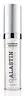
This anti-aging serum is formulated around Palmitoyl Tripeptide-1 and Palmitoyl Hexapeptide-12 to soften the look of wrinkles.
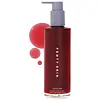
This mild gel cleanser is mild enough to cleanse without leaving skin feeling tight or stripped.

What's inside
What's inside
 Key Ingredients
Benefits
Concerns
Ingredients Side-by-side
Cyclopentasiloxane
Emollient
Dimethicone Crosspolymer
Emulsion Stabilising
Pentaerythrityl Tetraisostearate
Emollient

Heptyl Undecylenate
EmollientGlycine Soja Oil
Emollient






Panthenyl Triacetate
Palmitoyl Tripeptide-1
Skin Conditioning



Palmitoyl Hexapeptide-12
Skin Conditioning
Naringenin
Skin ConditioningOleuropein
Antioxidant
Olea Europaea Leaf Extract
Perfuming
Phosphatidylserine
Emulsion StabilisingArnica Montana Extract
Skin ConditioningPhospholipids
Skin Conditioning
Dunaliella Salina Extract
Skin ConditioningTocopherol
Antioxidant


Ascorbyl Palmitate
Antioxidant
Squalane
Emollient
Caprylic/Capric Triglyceride
Masking
Caprylyl Methicone
Skin Conditioning
Propylene Carbonate
SolventStearalkonium Hectorite
Gel FormingCyclopentasiloxane, Dimethicone Crosspolymer, Pentaerythrityl Tetraisostearate, Heptyl Undecylenate, Glycine Soja Oil, Panthenyl Triacetate, Palmitoyl Tripeptide-1, Palmitoyl Hexapeptide-12, Naringenin, Oleuropein, Olea Europaea Leaf Extract, Phosphatidylserine, Arnica Montana Extract, Phospholipids, Dunaliella Salina Extract, Tocopherol, Ascorbyl Palmitate, Squalane, Caprylic/Capric Triglyceride, Caprylyl Methicone, Propylene Carbonate, Stearalkonium Hectorite
Aloe Barbadensis Leaf Juice
Skin Conditioning
Water
Skin ConditioningSodium Methyl Cocoyl Taurate
Cleansing
Malpighia Glabra Fruit Juice
Skin ConditioningSodium Cocoyl Isethionate
Cleansing
Lauryl Hydroxysultaine
CleansingSodium Chloride
MaskingGlycerin
Humectant
Niacinamide
Smoothing



Coco-Glucoside
Cleansing
Malpighia Glabra Fruit Extract
Skin ConditioningPanthenol
Skin Conditioning
Tocopherol
Antioxidant
Lactobacillus
Skin ConditioningCaprylyl Glycol
Emollient
Butylene Glycol
Humectant
Caesalpinia Spinosa Gum
Skin ConditioningPolyacrylate Crosspolymer-6
Emulsion StabilisingGardenia Florida Fruit Extract
Skin ConditioningCoptis Japonica Extract
AntimicrobialLeuconostoc/Radish Root Ferment Filtrate
Antimicrobial
Dextrin
AbsorbentEthylhexylglycerin
Skin ConditioningSodium Phytate
ChelatingAcrylates/C10-30 Alkyl Acrylate Crosspolymer
Emulsion StabilisingArginine
Masking
Citric Acid
Buffering
Parfum
Masking

Guar Hydroxypropyltrimonium Chloride
Skin ConditioningDipropylene Glycol
HumectantAloe Barbadensis Leaf Juice, Water, Sodium Methyl Cocoyl Taurate, Malpighia Glabra Fruit Juice, Sodium Cocoyl Isethionate, Lauryl Hydroxysultaine, Sodium Chloride, Glycerin, Niacinamide, Coco-Glucoside, Malpighia Glabra Fruit Extract, Panthenol, Tocopherol, Lactobacillus, Caprylyl Glycol, Butylene Glycol, Caesalpinia Spinosa Gum, Polyacrylate Crosspolymer-6, Gardenia Florida Fruit Extract, Coptis Japonica Extract, Leuconostoc/Radish Root Ferment Filtrate, Dextrin, Ethylhexylglycerin, Sodium Phytate, Acrylates/C10-30 Alkyl Acrylate Crosspolymer, Arginine, Citric Acid, Parfum, Guar Hydroxypropyltrimonium Chloride, Dipropylene Glycol
Reviews
Alternatives
Ingredients Explained
These ingredients are found in both products.
Ingredients higher up in an ingredient list are typically present in a larger amount.
Tocopherol is a fat-soluble antioxidant known as Vitamin E.
You'll find this ingredient in the vast majority of skincare (for good reason). It works to neutralize free radicals, or unstable molecules generated by UV exposure, pollution, and other environmental stressors, before they can cause oxidative damage to your skin cells.
Topically applied tocopherol has been shown to protect against UV damage by ramping up the skin's own natural defense enzymes.
It also acts as a skin conditioning agent; some studies show that regular topical use can improve the skin's water-binding capacity over 2-4 weeks.
This ingredient is especially loved for being a team player. When combined with Vitamin C, the photoprotective effect of both ingredients roughly doubles and the combo also helps reduce UV-induced DNA damage.
This ingredient has some brightening potential but it's more of a prevention ingredient than spot-fader. Cell studies show it can slow down melanin production but it's worth noting that it's not the most powerful brightener out there.
In formulations, it also serves as a stabilizer that helps protect other oxidation-prone ingredients from degrading.
Concentrations usually range from 0.1-1% in most leave-on products.
Learn more about Tocopherol

