
What's inside
What's inside
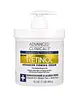 Key Ingredients
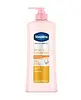
Benefits
Concerns
Ingredients Side-by-side
Water
Skin ConditioningParaffinum Liquidum
Emollient


Cetearyl Alcohol
Emollient

Glyceryl Stearate Se
Emulsifying
Butylene Glycol Myristate
EmollientGlycerin
Humectant



Ceteareth-20
Cleansing
Caprylic/Capric Triglyceride
Masking
Retinol
Skin Conditioning







Tocopherol
Antioxidant

Anthemis Nobilis Flower Extract
Masking


Camellia Sinensis Leaf Extract
Antimicrobial
Aloe Barbadensis Leaf Juice Powder
Skin Conditioning
Phenoxyethanol
Preservative
Caprylyl Glycol
Emollient
Acrylates/C10-30 Alkyl Acrylate Crosspolymer
Emulsion StabilisingTetrasodium Glutamate Diacetate
Sodium Hydroxide
BufferingIodopropynyl Butylcarbamate
Preservative
BHT
Antioxidant
Water, Paraffinum Liquidum, Cetearyl Alcohol, Glyceryl Stearate Se, Butylene Glycol Myristate, Glycerin, Ceteareth-20, Caprylic/Capric Triglyceride, Retinol, Tocopherol, Anthemis Nobilis Flower Extract, Camellia Sinensis Leaf Extract, Aloe Barbadensis Leaf Juice Powder, Phenoxyethanol, Caprylyl Glycol, Acrylates/C10-30 Alkyl Acrylate Crosspolymer, Tetrasodium Glutamate Diacetate, Sodium Hydroxide, Iodopropynyl Butylcarbamate, BHT
Water
Skin ConditioningEthylhexyl Salicylate
UV Absorber

Glycerin
Humectant
Stearic Acid
Cleansing
Phenylbenzimidazole Sulfonic Acid
UV Absorber
Glycol Stearate
Emollient
PEG-100 Stearate
Butyl Methoxydibenzoylmethane
UV Absorber
Dimethicone
Emollient
Glyceryl Stearate
Emollient
Caprylyl Glycol
Emollient
Potassium Hydroxide
BufferingCarbomer
Emulsion StabilisingCetyl Alcohol
Emollient
Xanthan Gum
EmulsifyingParfum
Masking
Sodium Hydroxide
BufferingNiacinamide
Smoothing
Stearamide Amp
Sodium Ascorbyl Phosphate
Antioxidant
Petrolatum
Emollient
Tocopheryl Acetate
Antioxidant
Phenoxyethanol
Preservative
Disodium EDTA
BHT
Antioxidant
Water, Ethylhexyl Salicylate, Glycerin, Stearic Acid, Phenylbenzimidazole Sulfonic Acid, Glycol Stearate, PEG-100 Stearate, Butyl Methoxydibenzoylmethane, Dimethicone, Glyceryl Stearate, Caprylyl Glycol, Potassium Hydroxide, Carbomer, Cetyl Alcohol, Xanthan Gum, Parfum, Sodium Hydroxide, Niacinamide, Stearamide Amp, Sodium Ascorbyl Phosphate, Petrolatum, Tocopheryl Acetate, Phenoxyethanol, Disodium EDTA, BHT
Reviews
Ingredients Explained
These ingredients are found in both products.
Ingredients higher up in an ingredient list are typically present in a larger amount.
BHT is a synthetic antioxidant and preservative.
As an antioxidant, it helps your body fight off free-radicals. Free-radicals are molecules that may damage your skin cells.
As a preservative, it is used to stabilize products and prevent them from degrading. Specifically, BHT prevents degradation from oxidation.
The concerns related to BHT come from oral studies; this ingredient is currently allowed for use by both the FDA and EU.
However, it was recently restricted for use in the UK as of April 2024.
Learn more about BHTCaprylyl Glycol is a humectant and emollient, meaning it attracts and preserves moisture.
It is a common ingredient in many products, especially those designed to hydrate skin. The primary benefits are retaining moisture, skin softening, and promoting a healthy skin barrier.
Though Caprylyl Glycol is an alcohol derived from fatty acids, it is not the kind that can dry out skin.
This ingredient is also used as a preservative to extend the life of products. It has slight antimicrobial properties.
Learn more about Caprylyl GlycolGlycerin is already naturally found in your skin. It helps moisturize and protect your skin.
A study from 2016 found glycerin to be more effective as a humectant than AHAs and hyaluronic acid.
As a humectant, it helps the skin stay hydrated by pulling moisture to your skin. The low molecular weight of glycerin allows it to pull moisture into the deeper layers of your skin.
Hydrated skin improves your skin barrier; Your skin barrier helps protect against irritants and bacteria.
Glycerin has also been found to have antimicrobial and antiviral properties. Due to these properties, glycerin is often used in wound and burn treatments.
In cosmetics, glycerin is usually derived from plants such as soybean or palm. However, it can also be sourced from animals, such as tallow or animal fat.
This ingredient is organic, colorless, odorless, and non-toxic.
Glycerin is the name for this ingredient in American English. British English uses Glycerol/Glycerine.
Learn more about GlycerinPhenoxyethanol is a preservative that has germicide, antimicrobial, and aromatic properties. Studies show that phenoxyethanol can prevent microbial growth. By itself, it has a scent that is similar to that of a rose.
It's often used in formulations along with Caprylyl Glycol to preserve the shelf life of products.
Sodium Hydroxide is also known as lye or caustic soda. It is used to adjust the pH of products; many ingredients require a specific pH to be effective.
In small amounts, sodium hydroxide is considered safe to use. However, large amounts may cause chemical burns due to its high alkaline.
Your skin has a natural pH and acid mantle. This acid mantle helps prevent harmful bacteria from breaking through. The acid mantle also helps keep your skin hydrated.
"Alkaline" refers to a high pH level. A low pH level would be considered acidic.
Learn more about Sodium HydroxideWater. It's the most common cosmetic ingredient of all. You'll usually see it at the top of ingredient lists, meaning that it makes up the largest part of the product.
So why is it so popular? Water most often acts as a solvent - this means that it helps dissolve other ingredients into the formulation.
You'll also recognize water as that liquid we all need to stay alive. If you see this, drink a glass of water. Stay hydrated!
Learn more about Water
