

What's inside
What's inside
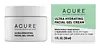 Key Ingredients
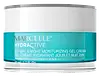
Benefits
Concerns
Ingredients Side-by-side
Water
Skin ConditioningAloe Barbadensis Leaf Juice
Skin Conditioning


Glycerin
Humectant

Panthenol
Skin Conditioning
Citrullus Lanatus Seed Extract
Skin ConditioningSodium Hyaluronate Crosspolymer
Humectant
Lens Esculenta Seed Extract
Skin ProtectingPyrus Malus Fruit Extract
Skin Conditioning
Arctostaphylos Uva-Ursi Leaf Extract
Skin Conditioning
Ananas Sativus Fruit Extract
Skin ConditioningSodium PCA
Humectant
Sucrose
Humectant
Caffeine
Skin Conditioning
Ceratonia Siliqua Gum
EmollientCellulose Gum
Emulsion StabilisingCarrageenan


Sodium Levulinate
Skin ConditioningSodium Lactate
Buffering
Cyclodextrin
AbsorbentPentylene Glycol
Skin Conditioning
Ethylhexylglycerin
Skin ConditioningPotassium Sorbate
Preservative
Citric Acid
Buffering


Water, Aloe Barbadensis Leaf Juice, Glycerin, Panthenol, Citrullus Lanatus Seed Extract, Sodium Hyaluronate Crosspolymer, Lens Esculenta Seed Extract, Pyrus Malus Fruit Extract, Arctostaphylos Uva-Ursi Leaf Extract, Ananas Sativus Fruit Extract, Sodium PCA, Sucrose, Caffeine, Ceratonia Siliqua Gum, Cellulose Gum, Carrageenan, Sodium Levulinate, Sodium Lactate, Cyclodextrin, Pentylene Glycol, Ethylhexylglycerin, Potassium Sorbate, Citric Acid
Water
Skin ConditioningDimethicone
Emollient
Glycerin
Humectant
Propanediol
Solvent
Sea Silt Extract
Skin ConditioningAmmonium Acryloyldimethyltaurate/Vp Copolymer
Octyldodecyl Myristate
EmollientBiosaccharide Gum-1
Humectant
Sodium Hyaluronate
Humectant
Spirulina Platensis Extract
Skin ProtectingXylitylglucoside
Humectant
Butylene Glycol
Humectant
Allantoin
Skin Conditioning
Pentylene Glycol
Skin Conditioning
Urea
Buffering

Polysilicone-11

Hexylene Glycol
EmulsifyingAluminum Starch Octenylsuccinate
Absorbent
Anhydroxylitol
Humectant
Caprylyl Glycol
Emollient
Decyl Glucoside
Cleansing
Xylitol
Humectant
Sodium PCA
Humectant
Trehalose
Humectant
Fructose
Humectant
Sodium Lactate
Buffering
Disodium EDTA
Maltose
MaskingGlucose
Humectant
Potassium Phosphate
BufferingDipotassium Phosphate
BufferingCitric Acid
Buffering
Sodium Hydroxide
BufferingSodium Chloride
MaskingMalic Acid
Buffering
Phenoxyethanol
Preservative
Ethylhexylglycerin
Skin ConditioningCI 42090
Cosmetic ColorantWater, Dimethicone, Glycerin, Propanediol, Sea Silt Extract, Ammonium Acryloyldimethyltaurate/Vp Copolymer, Octyldodecyl Myristate, Biosaccharide Gum-1, Sodium Hyaluronate, Spirulina Platensis Extract, Xylitylglucoside, Butylene Glycol, Allantoin, Pentylene Glycol, Urea, Polysilicone-11, Hexylene Glycol, Aluminum Starch Octenylsuccinate, Anhydroxylitol, Caprylyl Glycol, Decyl Glucoside, Xylitol, Sodium PCA, Trehalose, Fructose, Sodium Lactate, Disodium EDTA, Maltose, Glucose, Potassium Phosphate, Dipotassium Phosphate, Citric Acid, Sodium Hydroxide, Sodium Chloride, Malic Acid, Phenoxyethanol, Ethylhexylglycerin, CI 42090
Reviews
Ingredients Explained
These ingredients are found in both products.
Ingredients higher up in an ingredient list are typically present in a larger amount.
Citric Acid is an alpha hydroxy acid (AHA) naturally found in citrus fruits like oranges, lemons, and limes.
Like other AHAs, citric acid can exfoliate skin by breaking down the bonds that hold dead skin cells together. This helps reveal smoother and brighter skin underneath.
However, this exfoliating effect only happens at high concentrations (20%) which can be hard to find in cosmetic products.
Due to this, citric acid is usually included in small amounts as a pH adjuster. This helps keep products slightly more acidic and compatible with skin's natural pH.
In skincare formulas, citric acid can:
While it can provide some skin benefits, research shows lactic acid and glycolic acid are generally more effective and less irritating exfoliants.
Most citric acid used in skincare today is made by fermenting sugars (usually from molasses). This synthetic version is identical to the natural citrus form but easier to stabilize and use in formulations.
Read more about some other popular AHA's here:
Learn more about Citric AcidEthylhexylglycerin is created from glycerin. It is a multitasker ingredient that:
The CIR Expert Panel found minimal skin absorption or sensitization of any kind in a safety assessment. Though this ingredient is considered well-tolerated, a small number of cases of allergic dermatitis have been published since 2002. Just be sure to patch test if you are unsure.
Industry-reported use ranges from 8% in rinse-off products and 2% in leave-on formulations.
Learn more about EthylhexylglycerinGlycerin (or glycerol) is a compound naturally found in your skin. It's a powerhouse humectant that pulls water into the stratum corneum.
Topically, glycerin does several things at once:
Your skin makes glycerin on its own (mostly from sebaceous oil breakdown) and shuttles it to your outermost layer of skin, or your epidermis, via aquaporin-3.
Aquaporin-3 is a transporter that is essential for normal skin hydration, elasticity, and repair. Interestingly, mice lacking in AQP3 have dry and less elastic skin that can be fully corrected with glycerin.
This ingredient is non-irritating, plays well with almost every ingredient, and works across all skin types. Typical use is anywhere between 3-10% but can go up to 79% in some leave-on products.
Just know very high concentrations (>40%) can feel tacky in low humidity.
Glycerin is the name for this ingredient in American English. British English uses Glycerol/Glycerine.
Learn more about GlycerinPentylene Glycol (1,2-pentanediol) is a multitasking little diol with three main roles in a formula:
Research on alkanediols (the family pentylene glycol belongs to) show they work by disrupting microbial cell membranes. This disruption helps the primary preservative system in a product work more effectively at lower doses.
On the safety side, the Cosmetic Ingredient Review Expert Panel has concluded this ingredient to be safe as used in current cosmetic practices + concentrations.
Typical use levels in a formula run about 1-5%.
Learn more about Pentylene GlycolSodium Lactate is the sodium salt of lactic acid, an AHA. It is a humectant and sometimes used to adjust the pH of a product.
This ingredient is part of our skin's NMF, or natural moisturizing factor. Our NMF is essential for the hydration of our top skin layers and plasticity of skin. NMF also influences our skin's natural acid mantle and pH, which protects our skin from harmful bacteria.
High percentages of Sodium Lactate can have an exfoliating effect.
Fun fact: Sodium Lactate is produced from fermented sugar.
Learn more about Sodium LactateSodium PCA (the salt of PCA) is one of the most well-established humectants in skincare.
Why is it so special? Your skin already makes it naturally; it's a natural component of your skin's Natural Moisturizing Factor (NMF), or the mix of water-binding compounds inside your skin cells that keeps things soft and hydrated.
As a cosmetic ingredient, it grabs water and holds it in the upper layers of skin to smooth roughness and ease dehydration.
There's some clinical support for the NMF approach with a study showing that a cream built to mimic the skin's NMF significantly boosted hydration.
Safety-wise, this ingredient non-irritating, non-comedogenic, and non-phototoxic in testing, with minimal skin absorption.
It also works really well with other hydrators like glycerin or hyaluronic acid, and typical usage is somewhere between 0.2-4%.
Learn more about Sodium PCAWater. It's the most common cosmetic ingredient of all. You'll usually see it at the top of ingredient lists, meaning that it makes up the largest part of the product.
So why is it so popular? Water most often acts as a solvent - this means that it helps dissolve other ingredients into the formulation.
You'll also recognize water as that liquid we all need to stay alive. If you see this, drink a glass of water. Remember to stay hydrated!
Learn more about Water

