
What's inside
What's inside
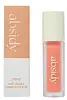 Key Ingredients
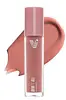
No key ingredients
Benefits
Concerns
Ingredients Side-by-side
Isododecane
EmollientSilica
Abrasive


Dimethicone
Emollient

Methyl Trimethicone
Skin Conditioning
Diisostearyl Malate
EmollientTrimethylsiloxysilicate
Emollient
Diphenyl Dimethicone
Emollient
Mica
Cosmetic ColorantCI 77891
Cosmetic ColorantMicrocrystalline Wax
Emulsion StabilisingSilica Silylate
Emollient
CI 15985
Cosmetic ColorantDisteardimonium Hectorite
StabilisingC30-45 Alkyl Dimethicone
Skin Conditioning
Dimethicone/Vinyl Dimethicone Crosspolymer
Skin Conditioning
CI 77491
Cosmetic ColorantCetyl PEG/PPG-10/1 Dimethicone
Emulsifying
CI 19140
Cosmetic ColorantPropylene Carbonate
Solvent1,2-Hexanediol
Skin Conditioning
CI 15850
Cosmetic ColorantPhenoxyethanol
Preservative
Triethoxycaprylylsilane
Aluminum Hydroxide
EmollientCI 77492
Cosmetic ColorantPolyhydroxystearic Acid
Emulsifying

Water
Skin ConditioningAscorbic Acid
Antioxidant





Hydrolyzed Sodium Hyaluronate
Skin Conditioning
Sodium Hyaluronate
Humectant


Rosa Damascena Flower Water
Masking
Sodium Hyaluronate Crosspolymer
Humectant
Hyaluronic Acid
Humectant
Hydrolyzed Hyaluronic Acid
Humectant
Sodium Acetylated Hyaluronate
Humectant
Ceramide NP
Skin Conditioning
Potassium Hyaluronate
Skin ConditioningHydroxypropyltrimonium Hyaluronate
BHT
Antioxidant
Pentaerythrityl Tetra-Di-T-Butyl Hydroxyhydrocinnamate
Antioxidant
Isododecane, Silica, Dimethicone, Methyl Trimethicone, Diisostearyl Malate, Trimethylsiloxysilicate, Diphenyl Dimethicone, Mica, CI 77891, Microcrystalline Wax, Silica Silylate, CI 15985, Disteardimonium Hectorite, C30-45 Alkyl Dimethicone, Dimethicone/Vinyl Dimethicone Crosspolymer, CI 77491, Cetyl PEG/PPG-10/1 Dimethicone, CI 19140, Propylene Carbonate, 1,2-Hexanediol, CI 15850, Phenoxyethanol, Triethoxycaprylylsilane, Aluminum Hydroxide, CI 77492, Polyhydroxystearic Acid, Water, Ascorbic Acid, Hydrolyzed Sodium Hyaluronate, Sodium Hyaluronate, Rosa Damascena Flower Water, Sodium Hyaluronate Crosspolymer, Hyaluronic Acid, Hydrolyzed Hyaluronic Acid, Sodium Acetylated Hyaluronate, Ceramide NP, Potassium Hyaluronate, Hydroxypropyltrimonium Hyaluronate, BHT, Pentaerythrityl Tetra-Di-T-Butyl Hydroxyhydrocinnamate
Hydrogenated Polydecene
EmollientCetyl Ethylhexanoate
EmollientIsododecane
EmollientCyclopentasiloxane
Emollient
Trimethylsiloxysilicate
Emollient
Caprylic/Capric Triglyceride
Masking
Polyisobutene
Hydrogenated Styrene/Isoprene Copolymer
Silica Dimethyl Silylate
EmollientStearalkonium Bentonite
Gel FormingPropylene Carbonate
SolventMica
Cosmetic ColorantTitanium Dioxide
Cosmetic Colorant

Iron Oxides
CI 15850
Cosmetic ColorantPreservatives
Phenoxyethanol
Preservative
Ethylhexylglycerin
Skin ConditioningPolyhydroxystearic Acid
Emulsifying
Parfum
Masking



Hydrogenated Polydecene, Cetyl Ethylhexanoate, Isododecane, Cyclopentasiloxane, Trimethylsiloxysilicate, Caprylic/Capric Triglyceride, Polyisobutene, Hydrogenated Styrene/Isoprene Copolymer, Silica Dimethyl Silylate, Stearalkonium Bentonite, Propylene Carbonate, Mica, Titanium Dioxide, Iron Oxides, CI 15850, Preservatives, Phenoxyethanol, Ethylhexylglycerin, Polyhydroxystearic Acid, Parfum
Reviews
Ingredients Explained
These ingredients are found in both products.
Ingredients higher up in an ingredient list are typically present in a larger amount.
Ci 15850 is the pigment color red. It is an azo dye and created synthetically.
Azo dyes need to be thoroughly purified before use. This allows them to be more stable and longer-lasting.
This ingredient is common in foundations, lipsticks, and blushes. This color is described as brown/orangey red.
It has many secondary names such as Red 6 and Red 7. According to a manufacturer, Red 6 usually contains aluminum.
Learn more about CI 15850Isododecane is a fragrance, emollient, and solvent.
As an emollient, it helps your skin stay soft and hydrated. Emollients help trap moisture into your skin.
Isododecane's role as a solvent makes it a great texture enhancer. It spreads smoothly on skin and does not leave a sticky feeling behind. Isododecane also helps prevent color transfer in makeup products.
Isododecane is not absorbed into skin.
The chemical name for this ingredient is 2,2,4,6,6-PENTAMETHYLHEPTANE.
Learn more about IsododecaneMica is a naturally occurring mineral used to add shimmer and color in cosmetics. It can also help improve the texture of a product or give it an opaque, white/silver color.
Serecite is the name for very fine but ragged grains of mica.
This ingredient is often coated with metal oxides like titanium dioxide. Trace amounts of heavy metals may be found in mica, but these metals are not harmful in our personal products.
Mica has been used since prehistoric times throughout the world. Ancient Egyptian, Indian, Greek, Roman, Aztec, and Chinese civilizations have used mica.
Learn more about MicaPhenoxyethanol is one of the most widely used preservatives in skincare (and for good reason!).
It has a large spectrum of antimicrobial activity and especially effective bacteria, yeast, and mold while only having a weak effect on your skin's natural microbiome.
On a cellular level, it disrupts the cell membranes of microbes by poking holes that make the cell leak. This shuts down the chemical reactions the microbe needs to make energy so it can no longer survive.
Another perk of this ingredient is that it stays functional across a wide pH range (3-10).
You'll often see it paired with boosters like Ethylhexylglycerin; one study showed that a 1:9 ratio of Ethylhexylglycerin to Phenoxyethanol damages bacterial membranes as effectively as doubling the Phenoxyethanol concentration on its own.
Typical use concentrations range from 0.3-1% depending on the formula, and this ingredient is capped at 1% int the EU.
Safety-wise, the fear mongering does not hold up to the evidence. The EU's Scientific Committee on Consumer Safety and FDA consider it safe as a preservative at up to 1%, including for children of all ages.
Adverse systemic effects only showed up in animal studies at exposures roughly 200x higher than what people get from cosmetics. And despite its very widespread use, this ingredient is a rare sensitizer and allergic reactions are uncommon.
Learn more about PhenoxyethanolPolyhydroxystearic Acid is a vegetable-derived soft wax made from castor oil. It's an emulsion stabilizer, thickener, and film former.
You'll likely see it in sunscreens because it helps disperse pigments and UV-reflecting minerals like titanium dioxide and zinc oxide evenly.
Depending on the concentration, it can drastically change the texture of a product from pasty solid (like lipstick) to sprayable liquid.
The CIR Expert Panel for Cosmetic Ingredient Safety has concluded this ingredient to be safe in cosmetics. The highest reported use concentration is 14.2% in lipsticks.
Learn more about Polyhydroxystearic AcidThis ingredient is a solvent. It helps dissolve active ingredients and alter the texture of products.
Propylene Carbonate is commonly used in makeup and with clay, such as montmorillonite or bentonite.
Studies show this ingredient to be safe for cosmetics. When it is undiluted, it can cause skin irritation. (It is always diluted in skincare and makeup). This ingredient is water-soluble.
Propylene Carbonate is created from propylene glycol and carbonic acid.
Learn more about Propylene CarbonateThis silicone is an emollient. Emollients create a thin film on the skin to prevent moisture from escaping.
It is not soluble in water and helps increase water-resistance in products.
According to a manufacturer, it can blend seamlessly with silicone oils, such as Cyclopentasiloxane.
Learn more about Trimethylsiloxysilicate

