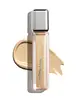
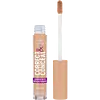
about-face The Illusionist Skin-Focused Concealer Versus Essence Correct & Conceal Under Eye Concealer


What's inside
What's inside
 Key Ingredients
No key ingredients
Benefits
Concerns
Ingredients Side-by-side
Water
Skin ConditioningSqualane
Emollient


Coco-Caprylate/Caprate
Emollient
C13-15 Alkane
SolventCaprylic/Capric Triglyceride
Masking
Octyldodecanol
Emollient
Pentylene Glycol
Skin Conditioning
Glycerin
Humectant
Polyglyceryl-3 Polyricinoleate
Emulsifying

Sorbitan Isostearate
Emulsifying
Tribehenin
Emollient
Disteardimonium Hectorite
StabilisingPolyhydroxystearic Acid
Emulsifying
Aluminum Hydroxide
EmollientPotassium Sorbate
Preservative
Sodium Dehydroacetate
Preservative
Glyceryl Caprylate/Caprate
EmollientTriheptanoin
Skin ConditioningXanthan Gum
EmulsifyingYeast Extract
Skin ConditioningSodium Lauroyl Glutamate
SurfactantLysine
Skin ConditioningLeuconostoc/Radish Root Ferment Filtrate
Antimicrobial
Magnesium Chloride
Vaccinium Macrocarpon Fruit Extract
Astringent1,2-Hexanediol
Skin Conditioning
Caprylyl Glycol
Emollient
Chlorella Sorokiniana Extract
Skin ConditioningTocopherol
Antioxidant




CI 77891
Cosmetic ColorantCI 77491
Cosmetic ColorantCI 77492
Cosmetic ColorantCI 77499
Cosmetic ColorantWater, Squalane, Coco-Caprylate/Caprate, C13-15 Alkane, Caprylic/Capric Triglyceride, Octyldodecanol, Pentylene Glycol, Glycerin, Polyglyceryl-3 Polyricinoleate, Sorbitan Isostearate, Tribehenin, Disteardimonium Hectorite, Polyhydroxystearic Acid, Aluminum Hydroxide, Potassium Sorbate, Sodium Dehydroacetate, Glyceryl Caprylate/Caprate, Triheptanoin, Xanthan Gum, Yeast Extract, Sodium Lauroyl Glutamate, Lysine, Leuconostoc/Radish Root Ferment Filtrate, Magnesium Chloride, Vaccinium Macrocarpon Fruit Extract, 1,2-Hexanediol, Caprylyl Glycol, Chlorella Sorokiniana Extract, Tocopherol, CI 77891, CI 77491, CI 77492, CI 77499
Water
Skin ConditioningIsononyl Isononanoate
EmollientCoconut Alkanes
Emollient
Glycerin
Humectant
Triethylhexanoin
MaskingMagnesium Sulfate
Polyglyceryl-4 Diisostearate/Polyhydroxystearate/Sebacate
Emulsifying
Diisostearoyl Polyglyceryl-3 Dimer Dilinoleate
Emollient
Disteardimonium Hectorite
StabilisingAloe Barbadensis Leaf Juice
Skin Conditioning
Stearoyl Inulin
EmollientPropylene Carbonate
SolventEthylhexylglycerin
Skin ConditioningHydrogenated Lecithin
Emulsifying
Phenoxyethanol
Preservative
Potassium Sorbate
Preservative
Sodium Benzoate
Masking
Aluminum Hydroxide
EmollientCI 77491
Cosmetic ColorantCI 77492
Cosmetic ColorantCI 77499
Cosmetic ColorantCI 77891
Cosmetic ColorantWater, Isononyl Isononanoate, Coconut Alkanes, Glycerin, Triethylhexanoin, Magnesium Sulfate, Polyglyceryl-4 Diisostearate/Polyhydroxystearate/Sebacate, Diisostearoyl Polyglyceryl-3 Dimer Dilinoleate, Disteardimonium Hectorite, Aloe Barbadensis Leaf Juice, Stearoyl Inulin, Propylene Carbonate, Ethylhexylglycerin, Hydrogenated Lecithin, Phenoxyethanol, Potassium Sorbate, Sodium Benzoate, Aluminum Hydroxide, CI 77491, CI 77492, CI 77499, CI 77891
Reviews
Ingredients Explained
These ingredients are found in both products.
Ingredients higher up in an ingredient list are typically present in a larger amount.
Aluminum Hydroxide is a form of aluminum. It can be naturally found in nature as the mineral gibbsite. In cosmetics, Aluminum Hydroxide is used as a colorant, pH adjuster, and absorbent.
As a colorant, Aluminum Hydroxide may add opacity, or reduce the transparency. Aluminum hydroxide is contains both basic and acidic properties.
According to manufacturers, this ingredient is an emollient and humectant. This means it helps hydrate the skin.
In medicine, this ingredient is used to help relieve heartburn and help heal ulcers.
There is currently no credible scientific evidence linking aluminum hydroxide in cosmetics to increased cancer risk.
Major health organizations allow the use of aluminum hydroxide in personal care products and have not flagged it as a carcinogenic risk at typical usage levels.
Learn more about Aluminum HydroxideCi 77491 is also hydrated iron III oxide. It's sole purpose is to give a red/pink hue to products.
Iron III oxides are classified as inorganic chemicals for coloring.
Synthetically created Ci 77491 is considered safer than those naturally found. This is because the synthetically created version may contain less impurities. Iron oxides are generally non-toxic and non-allergenic.
Learn more about CI 77491CI 77492 is also hydrated iron III oxide. It's sole purpose is to give a yellow hue to products.
Iron III oxides are classified as inorganic chemicals for coloring.
Synthetically created CI 77492 is considered safer than those naturally found. This is because the synthetically created version may contain less impurities. Iron oxides are generally non-toxic and non-allergenic.
Learn more about CI 77492Ci 77499 is also hydrated iron III oxide. It is created from mixing red and black iron oxides. This helps give shades of darkness to a product.
Iron III oxides are classified as inorganic chemicals for coloring.
Ci 77891 is a white pigment from Titanium dioxide. It is naturally found in minerals such as rutile and ilmenite.
It's main function is to add a white color to cosmetics. It can also be mixed with other colors to create different shades.
Ci 77891 is commonly found in sunscreens due to its ability to block UV rays.
Learn more about CI 77891Disteardimonium Hectorite comes from the clay mineral named hectorite. It is used to add thickness to a product.
It can also help stabilize a product by helping to disperse other ingredients.
Hectorite is a rare, white clay mineral.
Learn more about Disteardimonium HectoriteGlycerin (or glycerol) is a compound naturally found in your skin. It's a powerhouse humectant that pulls water into the stratum corneum.
Topically, glycerin does several things at once:
Your skin makes glycerin on its own (mostly from sebaceous oil breakdown) and shuttles it to your outermost layer of skin, or your epidermis, via aquaporin-3.
Aquaporin-3 is a transporter that is essential for normal skin hydration, elasticity, and repair. Interestingly, mice lacking in AQP3 have dry and less elastic skin that can be fully corrected with glycerin.
This ingredient is non-irritating, plays well with almost every ingredient, and works across all skin types. Typical use is anywhere between 3-10% but can go up to 79% in some leave-on products.
Just know very high concentrations (>40%) can feel tacky in low humidity.
Glycerin is the name for this ingredient in American English. British English uses Glycerol/Glycerine.
Learn more about GlycerinPotassium Sorbate is a preservative used to prevent yeast and mold in products. It is commonly found in both cosmetic and food products.
This ingredient comes from potassium salt derived from sorbic acid. Sorbic acid is a natural antibiotic and effective against fungus.
Both potassium sorbate and sorbic acid can be found in baked goods, cheeses, dried meats, dried fruit, ice cream, pickles, wine, yogurt, and more.
You'll often find this ingredient used with other preservatives.
Learn more about Potassium SorbateWater. It's the most common cosmetic ingredient of all. You'll usually see it at the top of ingredient lists, meaning that it makes up the largest part of the product.
So why is it so popular? Water most often acts as a solvent - this means that it helps dissolve other ingredients into the formulation.
You'll also recognize water as that liquid we all need to stay alive. If you see this, drink a glass of water. Remember to stay hydrated!
Learn more about Water

