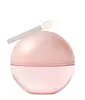
This anti-aging lip mask is formulated around Sodium DNA and Acetyl Hexapeptide-8 to soften the look of wrinkles.

What's inside
What's inside
 Key Ingredients
Benefits
Concerns
Ingredients Side-by-side
Hydrogenated Polyisobutene
EmollientPolybutene
Dicaprylyl Carbonate
EmollientEthylene/Propylene/Styrene Copolymer
Hydrogenated Polydecene
EmollientEthylene/Propylene Copolymer
Abrasive
Butylene/Ethylene/Styrene Copolymer
Water
Skin ConditioningParfum
Masking




Oryza Sativa Bran Oil
Emollient




Pentaerythrityl Tetra-Di-T-Butyl Hydroxyhydrocinnamate
Antioxidant
Tocopherol
Antioxidant




Butylene Glycol
Humectant
1,2-Hexanediol
Skin Conditioning
CI 77491
Cosmetic ColorantPolyglyceryl-2 Triisostearate
Emulsifying
Dipalmitoyl Hydroxyproline
Skin Conditioning
Oryza Sativa Extract
Absorbent
Glycerin
Humectant
Hydrogenated Rice Bran Oil
Skin Conditioning
Caprylic/Capric Triglyceride
Masking
Ethylhexylglycerin
Skin ConditioningHydrogenated Lecithin
Emulsifying
Sodium DNA
Skin Conditioning
Centella Asiatica Extract
Cleansing
Soluble Collagen
Humectant
Collagen Extract
Skin Conditioning
Disodium EDTA
ChelatingGinkgo Biloba Leaf Extract
Skin Conditioning
Caprylyl Glycol
Emollient
Polyglyceryl-10 Stearate
Skin Conditioning
Phyllostachys Pubescens Shoot Bark Extract
Skin ConditioningHyaluronic Acid
Humectant
Acetyl Hexapeptide-8
Humectant
Hydrolyzed Hyaluronic Acid
Humectant
Sodium Hyaluronate
Humectant
Hydrogenated Polyisobutene, Polybutene, Dicaprylyl Carbonate, Ethylene/Propylene/Styrene Copolymer, Hydrogenated Polydecene, Ethylene/Propylene Copolymer, Butylene/Ethylene/Styrene Copolymer, Water, Parfum, Oryza Sativa Bran Oil, Pentaerythrityl Tetra-Di-T-Butyl Hydroxyhydrocinnamate, Tocopherol, Butylene Glycol, 1,2-Hexanediol, CI 77491, Polyglyceryl-2 Triisostearate, Dipalmitoyl Hydroxyproline, Oryza Sativa Extract, Glycerin, Hydrogenated Rice Bran Oil, Caprylic/Capric Triglyceride, Ethylhexylglycerin, Hydrogenated Lecithin, Sodium DNA, Centella Asiatica Extract, Soluble Collagen, Collagen Extract, Disodium EDTA, Ginkgo Biloba Leaf Extract, Caprylyl Glycol, Polyglyceryl-10 Stearate, Phyllostachys Pubescens Shoot Bark Extract, Hyaluronic Acid, Acetyl Hexapeptide-8, Hydrolyzed Hyaluronic Acid, Sodium Hyaluronate
Hydrogenated Polyisobutene
EmollientBis-Behenyl/Isostearyl/Phytosteryl Dimer Dilinoleyl Dimer Dilinoleate
EmollientDiisostearyl Malate
EmollientSimmondsia Chinensis Seed Oil
Emollient
Silica Dimethyl Silylate
Emollient

Hydrogenated Polyisobutene, Bis-Behenyl/Isostearyl/Phytosteryl Dimer Dilinoleyl Dimer Dilinoleate, Diisostearyl Malate, Simmondsia Chinensis Seed Oil, Silica Dimethyl Silylate, Synthetic Wax, Sorbitan Isostearate, 1,2-Hexanediol, CI 77891, Phenoxyethanol, Parfum, CI 15850, CI 19140, CI 15985, CI 77499
Reviews
Ingredients Explained
These ingredients are found in both products.
Ingredients higher up in an ingredient list are typically present in a larger amount.
1,2-Hexanediol is a synthetic liquid and another multi-functional powerhouse.
It is a:
- Humectant, drawing moisture into the skin
- Emollient, helping to soften skin
- Solvent, dispersing and stabilizing formulas
- Preservative booster, enhancing the antimicrobial activity of other preservatives
Hydrogenated Polyisobutene is a synthetic polymer. Polymers are compounds with high molecular weight. Hydrogenated Polyisobutene is an emollient and texture enhancer.
In one study, Hydrogenated Polyisobutene showed better skin hydration levels than Caprylic/Capric Triglyceride. As an emollient, it helps keep your skin soft and hydrated by trapping moisture in.
Hydrogenated Polyisobutene is often used as a mineral oil replacement.
Learn more about Hydrogenated PolyisobuteneParfum is a catch-all term for an ingredient or more that is used to give a scent to products.
Also called "fragrance", this ingredient can be a blend of hundreds of chemicals or plant oils. This means every product with "fragrance" or "parfum" in the ingredients list is a different mixture.
For instance, Habanolide is a proprietary trade name for a specific aroma chemical. When used as a fragrance ingredient in cosmetics, most aroma chemicals fall under the broad labeling category of “FRAGRANCE” or “PARFUM” according to EU and US regulations.
The term 'parfum' or 'fragrance' is not regulated in many countries. In many cases, it is up to the brand to define this term.
For instance, many brands choose to label themselves as "fragrance-free" because they are not using synthetic fragrances. However, their products may still contain ingredients such as essential oils that are considered a fragrance by INCI standards.
One example is Calendula flower extract. Calendula is an essential oil that still imparts a scent or 'fragrance'.
Depending on the blend, the ingredients in the mixture can cause allergies and sensitivities on the skin. Some ingredients that are known EU allergens include linalool and citronellol.
Parfum can also be used to mask or cover an unpleasant scent.
The bottom line is: not all fragrances/parfum/ingredients are created equally. If you are worried about fragrances, we recommend taking a closer look at an ingredient. And of course, we always recommend speaking with a professional.
Learn more about Parfum

