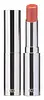
This barrier-repair lip moisturizer is formulated around Caprylic/Capric Triglyceride and Squalane to strengthen the lip barrier and hydrate lips.
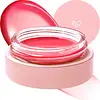
This lip moisturizer is formulated around Bis-Diglyceryl Polyacyladipate-2 to hydrate lips.

What's inside
What's inside
 Key Ingredients
Benefits
Concerns
Ingredients Side-by-side
Diisostearyl Malate
EmollientCaprylic/Capric Triglyceride
Masking


Phytosteryl/Isostearyl/Cetyl/Stearyl/Behenyl Dimer Dilinoleate
Skin Conditioning

Synthetic Wax
Abrasive

Pentaerythrityl Tetraethylhexanoate
Emollient
Bis-Behenyl/Isostearyl/Phytosteryl Dimer Dilinoleyl Dimer Dilinoleate
EmollientSqualane
Emollient
Polyglyceryl-2 Triisostearate
Emulsifying
Mica
Cosmetic ColorantEthylene/Propylene Copolymer
Abrasive
Tocopheryl Acetate
Antioxidant


Phytosteryl/Octyldodecyl Lauroyl Glutamate
Skin ConditioningCI 15985
Cosmetic ColorantCI 15850
Cosmetic ColorantPolyhydroxystearic Acid
Emulsifying
1,2-Hexanediol
Skin Conditioning
Sorbitan Sesquioleate
Emulsifying
CI 19140
Cosmetic ColorantSucrose Tetrastearate Triacetate
Emollient
Silica Dimethyl Silylate
EmollientCI 77491
Cosmetic ColorantCI 77492
Cosmetic ColorantCetyl Dimethicone
Emollient
Parfum
Masking



Pentaerythrityl Tetra-Di-T-Butyl Hydroxyhydrocinnamate
Antioxidant
Triethoxycaprylylsilane
Tocopherol
Antioxidant

Diisostearyl Malate, Caprylic/Capric Triglyceride, Phytosteryl/Isostearyl/Cetyl/Stearyl/Behenyl Dimer Dilinoleate, Synthetic Wax, Pentaerythrityl Tetraethylhexanoate, Bis-Behenyl/Isostearyl/Phytosteryl Dimer Dilinoleyl Dimer Dilinoleate, Squalane, Polyglyceryl-2 Triisostearate, Mica, Ethylene/Propylene Copolymer, Tocopheryl Acetate, Phytosteryl/Octyldodecyl Lauroyl Glutamate, CI 15985, CI 15850, Polyhydroxystearic Acid, 1,2-Hexanediol, Sorbitan Sesquioleate, CI 19140, Sucrose Tetrastearate Triacetate, Silica Dimethyl Silylate, CI 77491, CI 77492, Cetyl Dimethicone, Parfum, Pentaerythrityl Tetra-Di-T-Butyl Hydroxyhydrocinnamate, Triethoxycaprylylsilane, Tocopherol
Hydrogenated Polyisobutene
EmollientBis-Behenyl/Isostearyl/Phytosteryl Dimer Dilinoleyl Dimer Dilinoleate
EmollientPhytosteryl/Isostearyl/Cetyl/Stearyl/Behenyl Dimer Dilinoleate
Skin Conditioning
Bis-Diglyceryl Polyacyladipate-2
Emollient
Diisostearyl Malate
EmollientMicrocrystalline Wax
Emulsion StabilisingPyrus Malus Seed Oil
Emollient
Sucrose Tetrastearate Triacetate
Emollient
Synthetic Fluorphlogopite
Synthetic Wax
Abrasive
Silica Silylate
Emollient
Ethylene/Propylene Copolymer
Abrasive
Polyglyceryl-2 Triisostearate
Emulsifying
CI 77891
Cosmetic ColorantCI 15985
Cosmetic ColorantCI 15850
Cosmetic ColorantCaprylyl Glycol
Emollient
Glyceryl Caprylate
EmollientPolyglyceryl-2 Diisostearate
Emulsifying
CI 45410
Cosmetic ColorantTocopherol
Antioxidant
Water
Skin ConditioningButyrospermum Parkii Butter
Skin Conditioning
Helianthus Annuus Seed Oil
Emollient
Hydrolyzed Hyaluronic Acid
Humectant

Rosa Canina Fruit Oil
Emollient
Butylene Glycol
Humectant
1,2-Hexanediol
Skin Conditioning
Rubus Idaeus Fruit Extract
AstringentVaccinium Macrocarpon Fruit Extract
AstringentHydrogenated Polyisobutene, Bis-Behenyl/Isostearyl/Phytosteryl Dimer Dilinoleyl Dimer Dilinoleate, Phytosteryl/Isostearyl/Cetyl/Stearyl/Behenyl Dimer Dilinoleate, Bis-Diglyceryl Polyacyladipate-2, Diisostearyl Malate, Microcrystalline Wax, Pyrus Malus Seed Oil, Sucrose Tetrastearate Triacetate, Synthetic Fluorphlogopite, Synthetic Wax, Silica Silylate, Ethylene/Propylene Copolymer, Polyglyceryl-2 Triisostearate, CI 77891, CI 15985, CI 15850, Caprylyl Glycol, Glyceryl Caprylate, Polyglyceryl-2 Diisostearate, CI 45410, Tocopherol, Water, Butyrospermum Parkii Butter, Helianthus Annuus Seed Oil, Hydrolyzed Hyaluronic Acid, Rosa Canina Fruit Oil, Butylene Glycol, 1,2-Hexanediol, Rubus Idaeus Fruit Extract, Vaccinium Macrocarpon Fruit Extract
Ingredients Explained
These ingredients are found in both products.
Ingredients higher up in an ingredient list are typically present in a larger amount.
1,2-Hexanediol is a synthetic liquid and another multi-functional powerhouse.
It is a:
- Humectant, drawing moisture into the skin
- Emollient, helping to soften skin
- Solvent, dispersing and stabilizing formulas
- Preservative booster, enhancing the antimicrobial activity of other preservatives
This ingredient is an emollient and skin conditioning agent.
Ci 15850 is the pigment color red. It is an azo dye and created synthetically.
Azo dyes need to be thoroughly purified before use. This allows them to be more stable and longer-lasting.
This ingredient is common in foundations, lipsticks, and blushes. This color is described as brown/orangey red.
It has many secondary names such as Red 6 and Red 7. According to a manufacturer, Red 6 usually contains aluminum.
Learn more about CI 15850Ci 15985 is a dye made from petroleum. It is synthetically created and approved by the FDA for use in foods and cosmetics.
The color of this dye is orange/yellow.
This ingredient can be found in makeup, sun care, and skincare.
Learn more about CI 15985Diisostearyl Malate is an emollient and most often used in lip products. It comes from isostearyl alcohol, a fatty acid, and malic acid, an AHA.
As an emollient, Diisostearyl Malate helps create a thin film on your skin to trap moisture in. This helps keep your skin soft and smooth.
Ethylene/Propylene Copolymer is an exfoliant.
This is a plant-derived ester that functions as a skin conditioner. It's basically a two linoleic acid molecules combined with fatty alcohols.
In practice, it works as a rich emollient that helps reduce moisture loss and give skin a soft appearance.
The phytosterol part of this ingredient brings an added structural bonus: phytosterols are structurally similar to cholesterol so they can fit right into the stratum corneum's lipid matrix to help reinforce the skin barrier.
Due to its molecular structure, this ingredient delivers a cushiony and glossy feeling without being excessively greasy.
It did not produce skin irritation or sensitization in clinical studies, and this ingredient is deemed safe to use in cosmetics at current practices.
Because this ingredient contains C16, C18, and C22 fatty chains, it may not be Malassezia/fungal acne safe. The Malassezia yeast potentially feeds on fatty acids in the C11-C24 range.
Learn more about Phytosteryl/Isostearyl/Cetyl/Stearyl/Behenyl Dimer DilinoleatePolyglyceryl-2 Triisostearate is a plant-derived emulsifier and pigment-dispersing agent with a non-sticky skin feel.
It helps products glide on smoothly and prevents oil and water from separating in a formula, making it suitable for sunscreen and makeup formulations.
The EU inventory of cosmetics has no use restrictions on this ingredient and it is considered well-tolerated.
This ingredient may not be fungal acne safe because it is derived from isostearic acid.
Learn more about Polyglyceryl-2 TriisostearateSucrose Tetrastearate Triacetate isn't fungal acne safe.
Synthetic Wax is a manufactured hydrocarbon wax. In formulas, it works as an occlusive emollient that helps reduce water loss and improves the spreadability of products.
Research comparing synthetic wax to traditional mineral-derived products found that formulas containing it perform as well for skin hydration.
It is considered non-comedogenic and vegan-friendly.
This ingredient has a well-established safety record by the CIR Expert Panel for Cosmetic Ingredient Safety.
Synthetic Waxes are straight/branched-chain hydrocarbons with no ester bond or fatty acids. That means there is nothing for the Malassezia yeast to feed on.
Learn more about Synthetic WaxTocopherol is a fat-soluble antioxidant known as Vitamin E.
You'll find this ingredient in the vast majority of skincare (for good reason). It works to neutralize free radicals, or unstable molecules generated by UV exposure, pollution, and other environmental stressors, before they can cause oxidative damage to your skin cells.
Topically applied tocopherol has been shown to protect against UV damage by ramping up the skin's own natural defense enzymes.
It also acts as a skin conditioning agent; some studies show that regular topical use can improve the skin's water-binding capacity over 2-4 weeks.
This ingredient is especially loved for being a team player. When combined with Vitamin C, the photoprotective effect of both ingredients roughly doubles and the combo also helps reduce UV-induced DNA damage.
This ingredient has some brightening potential but it's more of a prevention ingredient than spot-fader. Cell studies show it can slow down melanin production but it's worth noting that it's not the most powerful brightener out there.
In formulations, it also serves as a stabilizer that helps protect other oxidation-prone ingredients from degrading.
Concentrations usually range from 0.1-1% in most leave-on products.
Learn more about Tocopherol

