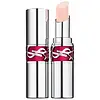
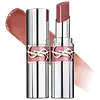
Yves Saint Laurent Rouge Volupté Candy Glaze Lip Gloss Stick Versus Yves Saint Laurent Loveshine Lip Oil Stick

What's inside
What's inside
 Key Ingredients
Benefits
Concerns
Ingredients Side-by-side
Diisostearyl Malate
EmollientBis-Behenyl/Isostearyl/Phytosteryl Dimer Dilinoleyl Dimer Dilinoleate
EmollientPentaerythrityl Adipate/Caprate/Caprylate/Heptanoate
EmollientVp/Hexadecene Copolymer
Paraffin
Perfuming

Octyldodecanol
Emollient
Cera Microcristallina
Emulsion Stabilising
CI 45410
Cosmetic ColorantSorbitan Sesquioleate
Emulsifying
Synthetic Wax
Abrasive

Alumina
Abrasive
Disteardimonium Hectorite
StabilisingCI 15985
Cosmetic ColorantTocopheryl Acetate
Antioxidant

Ethylene/Propylene Copolymer
Abrasive
Propylene Carbonate
SolventParfum
Masking

Dextrin Palmitate
Emulsifying
Tocopherol
Antioxidant



Mangifera Indica Seed Oil
Emollient
Sodium Hyaluronate
Humectant
Caprylic/Capric Triglyceride
Masking
Water
Skin Conditioning1,2-Hexanediol
Skin Conditioning
Mangifera Indica Fruit Extract
Skin ConditioningPunica Granatum Fruit Extract
Antioxidant

Diisostearyl Malate, Bis-Behenyl/Isostearyl/Phytosteryl Dimer Dilinoleyl Dimer Dilinoleate, Pentaerythrityl Adipate/Caprate/Caprylate/Heptanoate, Vp/Hexadecene Copolymer, Paraffin, Octyldodecanol, Cera Microcristallina, CI 45410, Sorbitan Sesquioleate, Synthetic Wax, Alumina, Disteardimonium Hectorite, CI 15985, Tocopheryl Acetate, Ethylene/Propylene Copolymer, Propylene Carbonate, Parfum, Dextrin Palmitate, Tocopherol, Mangifera Indica Seed Oil, Sodium Hyaluronate, Caprylic/Capric Triglyceride, Water, 1,2-Hexanediol, Mangifera Indica Fruit Extract, Punica Granatum Fruit Extract
Diisostearyl Malate
EmollientHydrogenated Polyisobutene
EmollientPhenyl Trimethicone
Skin Conditioning
Synthetic Wax
Abrasive
C12-15 Alkyl Benzoate
AntimicrobialCetyl Dimethicone
Emollient
Octyldodecanol
Emollient
Diisopropyl Dimer Dilinoleate
Emollient
Phytosteryl Macadamiate
Skin Conditioning
Pentaerythrityl Tetraethylhexanoate
Emollient
Euphorbia Cerifera Cera Extract
Polyethylene
Abrasive
Pentaerythrityl Tetraisostearate
Emollient
Polyglyceryl-2 Isostearate
Emulsifying
CI 77891
Cosmetic ColorantParaffin
Perfuming
Passiflora Edulis Seed Oil
Emollient
Cera Microcristallina
Emulsion Stabilising
Hexadecene
SolventCI 77491
Cosmetic ColorantCI 77492
Cosmetic ColorantCI 77499
Cosmetic ColorantTocopheryl Acetate
Antioxidant
CI 15850
Cosmetic ColorantPentaerythrityl Tetra-Di-T-Butyl Hydroxyhydrocinnamate
Antioxidant
Caprylic/Capric Triglyceride
Masking
Aluminum Hydroxide
EmollientSilica
Abrasive
Tocopherol
Antioxidant
Ficus Carica Fruit Extract
Humectant
Parfum
Masking
Diisostearyl Malate, Hydrogenated Polyisobutene, Phenyl Trimethicone, Synthetic Wax, C12-15 Alkyl Benzoate, Cetyl Dimethicone, Octyldodecanol, Diisopropyl Dimer Dilinoleate, Phytosteryl Macadamiate, Pentaerythrityl Tetraethylhexanoate, Euphorbia Cerifera Cera Extract, Polyethylene, Pentaerythrityl Tetraisostearate, Polyglyceryl-2 Isostearate, CI 77891, Paraffin, Passiflora Edulis Seed Oil, Cera Microcristallina, Hexadecene, CI 77491, CI 77492, CI 77499, Tocopheryl Acetate, CI 15850, Pentaerythrityl Tetra-Di-T-Butyl Hydroxyhydrocinnamate, Caprylic/Capric Triglyceride, Aluminum Hydroxide, Silica, Tocopherol, Ficus Carica Fruit Extract, Parfum
Ingredients Explained
These ingredients are found in both products.
Ingredients higher up in an ingredient list are typically present in a larger amount.
This ingredient is an emollient, solvent, and texture enhancer. It is considered a skin-softener by helping the skin prevent moisture loss.
It helps thicken a product's formula and makes it easier to spread by dissolving clumping compounds.
Caprylic Triglyceride is made by combining glycerin with coconut oil, forming a clear liquid.
While there is an assumption Caprylic Triglyceride can clog pores due to it being derived from coconut oil, there is no research supporting this.
Learn more about Caprylic/Capric TriglycerideCera Microcristallina isn't fungal acne safe.
Diisostearyl Malate is an emollient and most often used in lip products. It comes from isostearyl alcohol, a fatty acid, and malic acid, an AHA.
As an emollient, Diisostearyl Malate helps create a thin film on your skin to trap moisture in. This helps keep your skin soft and smooth.
Octyldodecanol is a fatty alcohol. It is primarily used to enhance the texture of products.
As an emulsifier, Octyldodecanol helps prevent the oils and waters from separating. It also prevents ingredients from creating foam when shaken.
Octyldodecanol is created by reducing fatty acid to an alcohol.
Due to its high molecular weight, it does not get absorbed into the skin.
Learn more about OctyldodecanolParaffin is a solid created from petroleum. The term 'paraffin' can also refer to either
petroleum jelly or mineral oil.
It has natural occlusive properties which can worsen oily skin. Due to its petrolatum base, this ingredient is not fungal-acne safe.
Parfum is a catch-all term for an ingredient or more that is used to give a scent to products.
Also called "fragrance", this ingredient can be a blend of hundreds of chemicals or plant oils. This means every product with "fragrance" or "parfum" in the ingredients list is a different mixture.
For instance, Habanolide is a proprietary trade name for a specific aroma chemical. When used as a fragrance ingredient in cosmetics, most aroma chemicals fall under the broad labeling category of “FRAGRANCE” or “PARFUM” according to EU and US regulations.
The term 'parfum' or 'fragrance' is not regulated in many countries. In many cases, it is up to the brand to define this term.
For instance, many brands choose to label themselves as "fragrance-free" because they are not using synthetic fragrances. However, their products may still contain ingredients such as essential oils that are considered a fragrance by INCI standards.
One example is Calendula flower extract. Calendula is an essential oil that still imparts a scent or 'fragrance'.
Depending on the blend, the ingredients in the mixture can cause allergies and sensitivities on the skin. Some ingredients that are known EU allergens include linalool and citronellol.
Parfum can also be used to mask or cover an unpleasant scent.
The bottom line is: not all fragrances/parfum/ingredients are created equally. If you are worried about fragrances, we recommend taking a closer look at an ingredient. And of course, we always recommend speaking with a professional.
Learn more about ParfumSynthetic Wax is created from fossil fuels such as natural gas. It is used to enhance texture, adjust pH, and as an occlusive.
It may also be used as an abrasive ingredient to exfoliate the skin.
Synthetic Wax may not be fungal acne safe.
Learn more about Synthetic WaxTocopherol (also known as Vitamin E) is a common antioxidant used to help protect the skin from free-radicals and strengthen the skin barrier. It's also fat soluble - this means our skin is great at absorbing it.
Vitamin E also helps keep your natural skin lipids healthy. Your lipid skin barrier naturally consists of lipids, ceramides, and fatty acids. Vitamin E offers extra protection for your skin’s lipid barrier, keeping your skin healthy and nourished.
Another benefit is a bit of UV protection. Vitamin E helps reduce the damage caused by UVB rays. (It should not replace your sunscreen). Combining it with Vitamin C can decrease sunburned cells and hyperpigmentation after UV exposure.
You might have noticed Vitamin E + C often paired together. This is because it is great at stabilizing Vitamin C. Using the two together helps increase the effectiveness of both ingredients.
There are often claims that Vitamin E can reduce/prevent scarring, but these claims haven't been confirmed by scientific research.
Learn more about TocopherolTocopheryl Acetate is AKA Vitamin E. It is an antioxidant and protects your skin from free radicals. Free radicals damage the skin by breaking down collagen.
One study found using Tocopheryl Acetate with Vitamin C decreased the number of sunburned cells.
Tocopheryl Acetate is commonly found in both skincare and dietary supplements.
Learn more about Tocopheryl Acetate
