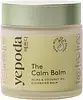
This oil-based cleanser is made to cleanse without leaving your skin tight or dry.
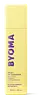
This oil-based makeup remover is made to dissolve makeup, sunscreen, and daily buildup.


What's inside
What's inside
 Key Ingredients
Benefits
Concerns
Ingredients Side-by-side
Olea Europaea Fruit Oil
Masking






Cetearyl Olivate
Sucrose Polystearate
EmollientCocos Nucifera Oil
Masking

Sorbitan Olivate
Emulsifying
Butyrospermum Parkii Butter
Skin Conditioning
Propanediol
Solvent
Water
Skin ConditioningDecyl Glucoside
Cleansing
Euphorbia Cerifera Wax
Oryza Sativa Bran Wax
Skin Conditioning
Methyl Glucose Sesquistearate
Emollient
Spirulina Platensis Extract
Skin ProtectingMoringa Oleifera Seed Oil
Emollient
Tocopherol
Antioxidant





Curcuma Longa Root Extract
Antioxidant
Melia Azadirachta Flower Extract
Skin ConditioningHelianthus Annuus Seed Oil
Emollient
Melia Azadirachta Leaf Extract
Skin ConditioningCoccinia Indica Fruit Extract
Skin Conditioning
Solanum Melongena Fruit Extract
Skin ConditioningOcimum Sanctum Leaf Extract
Skin ConditioningAmber Powder
Corallina Officinalis Extract
Skin Conditioning
Glycerin
Humectant
Butylene Glycol
Humectant
1,2-Hexanediol
Skin Conditioning
Juniperus Mexicana Oil
Masking
Cananga Odorata Flower Oil
Masking


Citrus Aurantium Dulcis Peel Oil
Masking
Citrus Paradisi Peel Oil
Masking
Limonene
Perfuming
Olea Europaea Fruit Oil, Cetearyl Olivate, Sucrose Polystearate, Cocos Nucifera Oil, Sorbitan Olivate, Butyrospermum Parkii Butter, Propanediol, Water, Decyl Glucoside, Euphorbia Cerifera Wax, Oryza Sativa Bran Wax, Methyl Glucose Sesquistearate, Spirulina Platensis Extract, Moringa Oleifera Seed Oil, Tocopherol, Curcuma Longa Root Extract, Melia Azadirachta Flower Extract, Helianthus Annuus Seed Oil, Melia Azadirachta Leaf Extract, Coccinia Indica Fruit Extract, Solanum Melongena Fruit Extract, Ocimum Sanctum Leaf Extract, Amber Powder, Corallina Officinalis Extract, Glycerin, Butylene Glycol, 1,2-Hexanediol, Juniperus Mexicana Oil, Cananga Odorata Flower Oil, Citrus Aurantium Dulcis Peel Oil, Citrus Paradisi Peel Oil, Limonene

Reviews
Ingredients Explained
These ingredients are found in both products.
Ingredients higher up in an ingredient list are typically present in a larger amount.
Moringa Oleifera Seed Oil is a lightweight oil from the seeds of the Moringa oleifera tree. In cosmetics, it's an emollient that forms a light film to slow water loss and soften skin.
Its fatty acid composition is dominated by oleic acid (70-78%), with smaller amounts of behenic, palmitic, and stearic acids (this profile is actually pretty similar to olive oil).
Notably, this ingredient is oxidatively stable for an oil and resists going rancid as fast as other oils.
A small, in vivo study on 32 participants found a cream with this ingredient increased skin hydration with no reported skin irritation. It also found the tocopherol content gave it some antioxidant activity as well.
Because this oil is so high in oleic acid, Malassezia can use it as a food source and this ingredient may not be fungal acne safe.
For everyone else, this ingredient is well-tolerated and nourishing with a good safety track record.
This ingredient shows up on a lot of "pore-clogging" lists but there's no real evidence behind that. It doesn't even have a comedogenic rating from an actual study; the numbers you'll find online come from blogs citing other blogs.
Ratings for other ingredients mostly come from a 1980s rabbit ear test. This test doesn't translate well to human skin or to real products because the ingredient sits at a much lower percentage.
Some people still find it breaks them out. So if that's you, definitely trust your skin.
Learn more about Moringa Oleifera Seed OilThis ingredient is also known as olive oil. It has been used in skincare for centuries and science largely backs up its reputation as a nourishing emollient.
The main components of olive oil are oleic acid (55-83%), linoleic acid (3.5-20%), and palmitic acid (7-20%). Oleic acid promotes skin regeneration and helps regulate inflammatory responses.
Squalene is also naturally present in olive oil and exhibits moisturizing and antioxidant properties.
The polyphenols in olive oil also show anti-aging promise; one clinical study found a measurable improvement in skin appearance after 30 days of topical serum use.
Just be aware that applying olive oil directly to skin can weaken the barrier and cause redness. One study with volunteers found even people without sensitive skin experienced a significant reduction in stratum corneum integrity and induced mild erythema.
It's best to use this ingredient as part of a carefully crafted formula (instead of putting it on skin directly from the bottle).
Because it has a 0-2 on the comedogenic scale, it is low risk for acne-prone skin. Just remember the overall formulation of a product matters more than a few ingredients with comedogenic ratings.
This ingredient may not be fungal acne safe because of the oleic and palmitic acid content. These fall within the C11-24 fatty acid range that the Malassezia yeast can metabolize to grow.
Overall, olive oil is a well-studied and nourishing skincare ingredient.
Learn more about Olea Europaea Fruit OilTocopherol is a fat-soluble antioxidant known as Vitamin E.
You'll find this ingredient in the vast majority of skincare (for good reason). It works to neutralize free radicals, or unstable molecules generated by UV exposure, pollution, and other environmental stressors, before they can cause oxidative damage to your skin cells.
Topically applied tocopherol has been shown to protect against UV damage by ramping up the skin's own natural defense enzymes.
It also acts as a skin conditioning agent; some studies show that regular topical use can improve the skin's water-binding capacity over 2-4 weeks.
This ingredient is especially loved for being a team player. When combined with Vitamin C, the photoprotective effect of both ingredients roughly doubles and the combo also helps reduce UV-induced DNA damage.
This ingredient has some brightening potential but it's more of a prevention ingredient than spot-fader. Cell studies show it can slow down melanin production but it's worth noting that it's not the most powerful brightener out there.
In formulations, it also serves as a stabilizer that helps protect other oxidation-prone ingredients from degrading.
Concentrations usually range from 0.1-1% in most leave-on products.
Learn more about Tocopherol

