Y.O.U Acneplus B5 Barrier Moisturizer Gel Versus Glow Glass Acne Clear Oil-Free Hydrating Gel Moisturizer
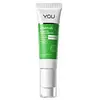
This acne moisturizer is formulated around Panthenol and Salicylic Acid to clear breakouts and strengthen the skin barrier.
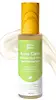
This acne moisturizer is formulated around Niacinamide and Camellia Sinensis Leaf Extract to clear breakouts and balance excess oil.


What's inside
What's inside
 Key Ingredients
Benefits
Concerns
Ingredients Side-by-side
Water
Skin ConditioningGlycerin
Humectant


Butylene Glycol
Humectant
Panthenol
Skin Conditioning

1,2-Hexanediol
Skin Conditioning
Hydroxyacetophenone
Antioxidant
PEG-40 Hydrogenated Castor Oil
Emulsifying


Propylene Glycol
Humectant
Acrylates/C10-30 Alkyl Acrylate Crosspolymer
Emulsion StabilisingAminomethyl Propanol
BufferingDipotassium Glycyrrhizate
Humectant
Melaleuca Alternifolia Leaf Oil
Antioxidant




Bisabolol
Antioxidant
Salicylic Acid
Masking





Acacia Senegal Gum
MaskingPortulaca Oleracea Extract
Skin Conditioning
Quaternium-73
Madecassoside
Antioxidant
Asiaticoside
Antioxidant
Caprylic/Capric Triglyceride
Masking
Ceramide NP
Skin Conditioning
Hydrogenated Lecithin
Emulsifying
Madecassic Acid
Skin Conditioning
Asiatic Acid
Skin Conditioning
Ceramide As
Skin Conditioning
Ceramide Ns
Skin Conditioning
Ceramide AP
Skin Conditioning
Ceramide EOP
Skin Conditioning
Water, Glycerin, Butylene Glycol, Panthenol, 1,2-Hexanediol, Hydroxyacetophenone, PEG-40 Hydrogenated Castor Oil, Propylene Glycol, Acrylates/C10-30 Alkyl Acrylate Crosspolymer, Aminomethyl Propanol, Dipotassium Glycyrrhizate, Melaleuca Alternifolia Leaf Oil, Bisabolol, Salicylic Acid, Acacia Senegal Gum, Portulaca Oleracea Extract, Quaternium-73, Madecassoside, Asiaticoside, Caprylic/Capric Triglyceride, Ceramide NP, Hydrogenated Lecithin, Madecassic Acid, Asiatic Acid, Ceramide As, Ceramide Ns, Ceramide AP, Ceramide EOP
Water
Skin ConditioningDimethicone
Emollient
Cyclopentasiloxane
Emollient
Niacinamide
Smoothing

Propanediol
Solvent
Nelumbo Nucifera Leaf Extract
Skin ConditioningAmmonium Acryloyldimethyltaurate/Vp Copolymer
Caprylic/Capric Triglyceride
Masking
Angelica Gigas Root Extract
Skin ConditioningCamellia Sinensis Leaf Extract
Antimicrobial
Pouteria Lucuma Pulp Extract
Skin ConditioningPsidium Guajava Leaf Extract
AstringentGlycerin
Humectant
Phenoxyethanol
Preservative
Butylene Glycol
Humectant
Melaleuca Alternifolia Leaf Oil
Antioxidant
Hyaluronic Acid
Humectant
Tocopherol
Antioxidant
EDTA
ChelatingEthylhexylglycerin
Skin ConditioningWater, Dimethicone, Cyclopentasiloxane, Niacinamide, Propanediol, Nelumbo Nucifera Leaf Extract, Ammonium Acryloyldimethyltaurate/Vp Copolymer, Caprylic/Capric Triglyceride, Angelica Gigas Root Extract, Camellia Sinensis Leaf Extract, Pouteria Lucuma Pulp Extract, Psidium Guajava Leaf Extract, Glycerin, Phenoxyethanol, Butylene Glycol, Melaleuca Alternifolia Leaf Oil, Hyaluronic Acid, Tocopherol, EDTA, Ethylhexylglycerin
Ingredients Explained
These ingredients are found in both products.
Ingredients higher up in an ingredient list are typically present in a larger amount.
Butylene Glycol (or BG) is used within cosmetic products for a few different reasons:
Overall, Butylene Glycol is a safe and well-rounded ingredient that works well with other ingredients.
Though this ingredient works well with most skin types, some people with sensitive skin may experience a reaction such as allergic rashes, closed comedones, or itchiness.
Learn more about Butylene GlycolCaprylic/Capric Triglyceride (aka MCT Oil) is a lightweight emollient, solvent, and texture enhancer. It is considered a skin-softener by helping to prevent moisture loss.
Though it behaves like an oil, it is not technically one due to its chemical composition. One perk of this ingredient is that it is very stable, resistant to oxidation, and unlikely to go rancid.
In practice, that translates to a long shelf life and a consistently elegant skin feel.
While there is an assumption Caprylic Triglyceride can clog pores due to it being derived from coconut oil, there is no research supporting this. Just patch test if you have concerns.
Fractionated coconut oil and MCT Oil are both listed as Caprylic/Capric Triglyceride according to INCI. This is because INCI names are based on the ingredient’s final chemical composition and not its marketing name or source.
This ingredient is treated as the gold standard fungal acne safe oil. Even though it is coconut derived, the problematic lauric acid is stripped out.
This leaves just caprylic (C8) and capric (C10) acid. These chain lengths actually trend antifungal; a 2020 study found caprylic acid was enough to disrupt Malassezia furfur cell membrane, with a caprylic acid derivative damaging membrane structures at concentrations as low as 0.2%.
Learn more about Caprylic/Capric TriglycerideGlycerin (or glycerol) is a compound naturally found in your skin. It's a powerhouse humectant that pulls water into the stratum corneum.
Topically, glycerin does several things at once:
Your skin makes glycerin on its own (mostly from sebaceous oil breakdown) and shuttles it to your outermost layer of skin, or your epidermis, via aquaporin-3.
Aquaporin-3 is a transporter that is essential for normal skin hydration, elasticity, and repair. Interestingly, mice lacking in AQP3 have dry and less elastic skin that can be fully corrected with glycerin.
This ingredient is non-irritating, plays well with almost every ingredient, and works across all skin types. Typical use is anywhere between 3-10% but can go up to 79% in some leave-on products.
Just know very high concentrations (>40%) can feel tacky in low humidity.
Glycerin is the name for this ingredient in American English. British English uses Glycerol/Glycerine.
Learn more about GlycerinThis ingredient is also known as tea tree oil. It has antioxidant, anti-inflammatory, and antimicrobial properties.
Tea tree oil is a complex lipophilic (fat-loving) oil that contains around 100 compounds with terpinen-4-ol being the most abundant (~40%).
Terpinen-4-ol is responsible for tea tree oil's broad-spectrum antimicrobial activity and makes it a well-researched option for acne.
Clinical studies support 5% tea tree oil as an effective topical treatment for mild to moderate acne. A study with 124 patients compared 5% tea tree oil gel to 5% benzoyl peroxide and both reduced acne (though tea tree oil worked more slowly).
Besides acne, it is also seen in anti-dandruff shampoos and scalp treatments for it's antimicrobial and anti-seborrheic properties.
Safety-wise, the allergic potential of low concentrations on healthy skin is considered low. However, oxidized (old or improperly stored) tea tree oil is a stronger sensitizer.
Irritation can also occur if using the undiluted oil on skin; it's best to use this ingredient as part of a carefully crafted cosmetic formula. This is because regulations require tea tree oil in cosmetics to be stabilized to prevent degradation.
This ingredient has been deemed safe up to 2% in shampoo, 1% in cleansers, and 0.1% in face cream by the EU's Scientific Committee on Consumer Safety (SCCS).
There is some lab evidence that tea tree oil is antifungal against Malassezia, but it is a supportive option at best and not a replacement for proven antifungal treatments.
Learn more about Melaleuca Alternifolia Leaf OilWater. It's the most common cosmetic ingredient of all. You'll usually see it at the top of ingredient lists, meaning that it makes up the largest part of the product.
So why is it so popular? Water most often acts as a solvent - this means that it helps dissolve other ingredients into the formulation.
You'll also recognize water as that liquid we all need to stay alive. If you see this, drink a glass of water. Remember to stay hydrated!
Learn more about Water


