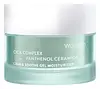
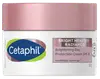
Wardah Cica Complex+Panthenol Ceramide Calm & Soothe Gel Moisturizer Versus Cetaphil Bright Healthy Radiance Brightening Day Protection Cream SPF 15
This calming moisturizer is formulated around Niacinamide and Centella Asiatica Extract to calm redness and strengthen the skin barrier.
This brightening day moisturizer is formulated around Niacinamide to brighten dull-looking skin and fade the look of dark spots.


What's inside
What's inside
 Key Ingredients
Benefits
Concerns
Ingredients Side-by-side
Water
Skin ConditioningNiacinamide
Smoothing











Butylene Glycol
Humectant
Propanediol
Solvent
Centella Asiatica Extract
Cleansing
Panthenol
Skin Conditioning
Ceramide NP
Skin Conditioning
Saccharide Isomerate
Humectant
Allantoin
Skin Conditioning
Mirabilis Jalapa Extract
Skin ConditioningGlycerin
Humectant
Xylitol
Humectant
1,2-Hexanediol
Skin Conditioning
Acrylates/C10-30 Alkyl Acrylate Crosspolymer
Emulsion StabilisingAmmonium Acryloyldimethyltaurate/Vp Copolymer
Aminomethyl Propanol
BufferingCaprylic/Capric Triglyceride
Masking
Chlorphenesin
Antimicrobial
Caprylhydroxamic Acid
Disodium EDTA
Deoxyphytantriyl Palmitamide Mea
Skin ConditioningHydrogenated Lecithin
Emulsifying
Cholesterol
Emollient
Citric Acid
Buffering

Sodium Citrate
BufferingWater, Niacinamide, Butylene Glycol, Propanediol, Centella Asiatica Extract, Panthenol, Ceramide NP, Saccharide Isomerate, Allantoin, Mirabilis Jalapa Extract, Glycerin, Xylitol, 1,2-Hexanediol, Acrylates/C10-30 Alkyl Acrylate Crosspolymer, Ammonium Acryloyldimethyltaurate/Vp Copolymer, Aminomethyl Propanol, Caprylic/Capric Triglyceride, Chlorphenesin, Caprylhydroxamic Acid, Disodium EDTA, Deoxyphytantriyl Palmitamide Mea, Hydrogenated Lecithin, Cholesterol, Citric Acid, Sodium Citrate
Water
Skin ConditioningHomosalate
Skin Conditioning

Ethylhexyl Methoxycinnamate
UV Absorber
Niacinamide
Smoothing
Ethylhexyl Salicylate
UV Absorber
Cetearyl Alcohol
Emollient




Glycerin
Humectant
Isoamyl P-Methoxycinnamate
UV Absorber
Butyl Methoxydibenzoylmethane
UV Absorber
Octocrylene
UV Absorber
Dipropylene Glycol
HumectantCetearyl Olivate
Sorbitan Olivate
Emulsifying
1,2-Hexanediol
Skin Conditioning
Acrylates/C10-30 Alkyl Acrylate Crosspolymer
Emulsion StabilisingAnhydroxylitol
Humectant
Caprylyl Glycol
Emollient
Disodium EDTA
Ethylhexylglycerin
Skin ConditioningGlyceryl Stearate
Emollient
Hydrolyzed Cicer Seed Extract
Skin ProtectingPancratium Maritimum Extract
BleachingPotassium Cetyl Phosphate
EmulsifyingRhododendron Chrysanthum Leaf Extract
MaskingSodium Hydroxide
BufferingTricholoma Matsutake Extract
Skin ConditioningXylitol
Humectant
Xylitylglucoside
Humectant
Water, Homosalate, Ethylhexyl Methoxycinnamate, Niacinamide, Ethylhexyl Salicylate, Cetearyl Alcohol, Glycerin, Isoamyl P-Methoxycinnamate, Butyl Methoxydibenzoylmethane, Octocrylene, Dipropylene Glycol, Cetearyl Olivate, Sorbitan Olivate, 1,2-Hexanediol, Acrylates/C10-30 Alkyl Acrylate Crosspolymer, Anhydroxylitol, Caprylyl Glycol, Disodium EDTA, Ethylhexylglycerin, Glyceryl Stearate, Hydrolyzed Cicer Seed Extract, Pancratium Maritimum Extract, Potassium Cetyl Phosphate, Rhododendron Chrysanthum Leaf Extract, Sodium Hydroxide, Tricholoma Matsutake Extract, Xylitol, Xylitylglucoside
Reviews
Ingredients Explained
These ingredients are found in both products.
Ingredients higher up in an ingredient list are typically present in a larger amount.
1,2-Hexanediol is a synthetic liquid and another multi-functional powerhouse.
It is a:
- Humectant, drawing moisture into the skin
- Emollient, helping to soften skin
- Solvent, dispersing and stabilizing formulas
- Preservative booster, enhancing the antimicrobial activity of other preservatives
Acrylates/C10-30 Alkyl Acrylate Crosspolymer is a synthetic polymer. It is used to thicken, emulsify, and improve the texture of products.
As an emulsifier, it helps stabilize oil-in-water emulsions to give products an elegant feel when applied.
It can also form a thin protective film on skin. One study found that a formula using this polymer helped slow down how quickly other ingredients (like DEET) were absorbed through skin.
A 2024 study of over 1,300 patients confirmed that sensitization to this ingredient is rare. It is also non-mutagenic and has a clean track record.
Learn more about Acrylates/C10-30 Alkyl Acrylate CrosspolymerDisodium EDTA is a chelating agent. It grabs onto and deactivates metal ions that sneak into your products from water, packaging, or air.
This ingredient mainly works behind the scenes and helps with:
On top of that, this ingredient can counteract the effects of hard water by binding to the minerals in it.
One thing worth knowing is that Disodium EDTA has been shown to be a mild penetration enhancer. It can help other ingredients absorb into skin more effectively which can be a double-edged sword (great for actives, but can also make the active too strong if you have sensitive skin).
Clinical patch testing showed no significant skin irritation at typical use concentrations and minimal dermal absorption.
You'll most likely see this ingredient near the end of an ingredient list. It's typically found in concentrations less than 1%.
Learn more about Disodium EDTAGlycerin (or glycerol) is a compound naturally found in your skin. It's a powerhouse humectant that pulls water into the stratum corneum.
Topically, glycerin does several things at once:
Your skin makes glycerin on its own (mostly from sebaceous oil breakdown) and shuttles it to your outermost layer of skin, or your epidermis, via aquaporin-3.
Aquaporin-3 is a transporter that is essential for normal skin hydration, elasticity, and repair. Interestingly, mice lacking in AQP3 have dry and less elastic skin that can be fully corrected with glycerin.
This ingredient is non-irritating, plays well with almost every ingredient, and works across all skin types. Typical use is anywhere between 3-10% but can go up to 79% in some leave-on products.
Just know very high concentrations (>40%) can feel tacky in low humidity.
Glycerin is the name for this ingredient in American English. British English uses Glycerol/Glycerine.
Learn more about GlycerinNiacinamide is a multitasking form of vitamin B3 that strengthens the skin barrier, reduces pores and dark spots, regulates oil, and improves signs of aging.
And the best part? It's gentle and well-tolerated by most skin types, including sensitive and reactive skin.
You might have heard of "niacin flush", or the reddening of skin that causes itchiness. Niacinamide has not been found to cause this.
In very rare cases, some individuals may not be able to tolerate niacinamide at all or experience an allergic reaction to it.
If you are experiencing flaking, irritation, and dryness with this ingredient, be sure to double check all your products as this ingredient can be found in all categories of skincare.
When incorporating niacinamide into your routine, look out for concentration amounts. Typically, 5% niacinamide provides benefits such as fading dark spots. However, if you have sensitive skin, it is better to begin with a smaller concentration.
When you apply niacinamide to your skin, your body converts it into nicotinamide adenine dinucleotide (NAD). NAD is an essential coenzyme that is already found in your cells as "fuel" and powers countless biological processes.
In your skin, NAD helps repair cell damage, produce new healthy cells, support collagen production, strengthen the skin barrier, and fight environmental stressors (like UV and pollution).
Our natural NAD levels start to decline with age, leading to slower skin repair, visible aging, and a weaker skin barrier. By providing your skin niacinamide, you're recharging your skin's NAD levels. This leads to stronger, healthier, and younger looking skin.
Another name for vitamin B3 is nicotinamide. This vitamin is water-soluble and our bodies don't store it. We obtain Vitamin B3 from either food or skincare. Meat, fish, wheat, yeast, and leafy greens contain vitamin B3.
The type of niacinamide used in skincare is synthetically created.
Learn more about NiacinamideWater. It's the most common cosmetic ingredient of all. You'll usually see it at the top of ingredient lists, meaning that it makes up the largest part of the product.
So why is it so popular? Water most often acts as a solvent - this means that it helps dissolve other ingredients into the formulation.
You'll also recognize water as that liquid we all need to stay alive. If you see this, drink a glass of water. Remember to stay hydrated!
Learn more about WaterXylitol is a humectant and prebiotic. It can help with dry skin.
In studies, xylitol has been shown to improve dry skin. It decreased transepidermal water loss, or when water passes through the skin and evaporates. Xylitol also showed to help improve the biomechanical properties of the skin barrier.
The prebiotic property of xylitol may also help reinforce our skin's natural microbiome. Having a healthy microbiome prevents infection by bad bacteria and helps with hydration.
As a humectant, Xylitol helps draw moisture from both the air and from deeper skin layers. This helps keep skin hydrated.
Xylitol is a sugar alcohol and commonly used as a sugar substitute. It is naturally occurring in plants such as strawberries and pumpkin.
Learn more about Xylitol

