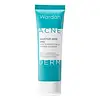
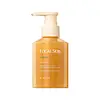
Wardah Acnederm Acne Clearing Low pH Foaming Cleanser Versus Focalskin Porefying Bubble Blackhead Cleanser
This salicylic acid foaming cleanser is formulated around Salicylic Acid to clear breakouts and unclog pores.


What's inside
What's inside
 Key Ingredients
Benefits
Concerns
Ingredients Side-by-side
Water
Skin ConditioningSodium Laureth Sulfate
Cleansing



Glycerin
Humectant


Cocamidopropyl Betaine
Cleansing

Decyl Glucoside
Cleansing
PEG-120 Methyl Glucose Dioleate
Emulsifying
Acrylates Copolymer
Zinc Gluconate
Skin Conditioning



PEG-3 Distearate
Emulsifying
Salicylic Acid
Masking



Allantoin
Skin Conditioning

Sodium Lauroyl Sarcosinate
CleansingEthylhexylglycerin
Skin ConditioningParfum
Masking

Sodium Chloride
MaskingPotassium Hydroxide
BufferingPhenoxyethanol
Preservative
Disodium EDTA
ChelatingWater, Sodium Laureth Sulfate, Glycerin, Cocamidopropyl Betaine, Decyl Glucoside, PEG-120 Methyl Glucose Dioleate, Acrylates Copolymer, Zinc Gluconate, PEG-3 Distearate, Salicylic Acid, Allantoin, Sodium Lauroyl Sarcosinate, Ethylhexylglycerin, Parfum, Sodium Chloride, Potassium Hydroxide, Phenoxyethanol, Disodium EDTA
Water
Skin ConditioningDecyl Glucoside
Cleansing
Glycerin
Humectant
Sodium C14-16 Olefin Sulfonate
Cleansing
Disodium Cocoamphodiacetate
CleansingDisiloxane
Skin Conditioning
Methylpropanediol
SolventButylene Glycol
Humectant
Acrylates/C10-30 Alkyl Acrylate Crosspolymer
Emulsion StabilisingCaprylic/Capric Glycerides Polyglyceryl-10 Esters
EmollientJuglans Regia Shell Powder
Abrasive
1,2-Hexanediol
Skin Conditioning
Hydroxyacetophenone
Antioxidant
Methyl Perfluoroisobutyl Ether
SolventMethyl Perfluorobutyl Ether
SolventAminomethyl Propanol
BufferingLactic Acid
Buffering


Citrus Aurantium Dulcis Peel Oil
Masking

Ethylhexylglycerin
Skin ConditioningCaramel
Cosmetic ColorantVitis Vinifera Fruit Extract
Skin ConditioningDipropylene Glycol
HumectantAnthemis Nobilis Flower Oil
Masking
Hydrolyzed Opuntia Ficus-Indica Flower Extract
Abrasive
Chamomilla Recutita Flower Extract
Masking
Camellia Sinensis Leaf Extract
Antimicrobial
Glycyrrhiza Glabra Root Extract
Bleaching
Polygonum Cuspidatum Root Extract
Antioxidant
Scutellaria Baicalensis Root Extract
Astringent
Centella Asiatica Extract
Cleansing
Rosmarinus Officinalis Leaf Extract
AntimicrobialPoncirus Trifoliata Fruit Extract
Skin ConditioningCaprylyl Glycol
Emollient
Artemisia Argyi Leaf Extract
Skin ConditioningArctium Lappa Root Extract
Skin Conditioning
Propolis Extract
Skin Conditioning
Brasenia Schreberi Leaf Extract
Skin ConditioningWater, Decyl Glucoside, Glycerin, Sodium C14-16 Olefin Sulfonate, Disodium Cocoamphodiacetate, Disiloxane, Methylpropanediol, Butylene Glycol, Acrylates/C10-30 Alkyl Acrylate Crosspolymer, Caprylic/Capric Glycerides Polyglyceryl-10 Esters, Juglans Regia Shell Powder, 1,2-Hexanediol, Hydroxyacetophenone, Methyl Perfluoroisobutyl Ether, Methyl Perfluorobutyl Ether, Aminomethyl Propanol, Lactic Acid, Citrus Aurantium Dulcis Peel Oil, Ethylhexylglycerin, Caramel, Vitis Vinifera Fruit Extract, Dipropylene Glycol, Anthemis Nobilis Flower Oil, Hydrolyzed Opuntia Ficus-Indica Flower Extract, Chamomilla Recutita Flower Extract, Camellia Sinensis Leaf Extract, Glycyrrhiza Glabra Root Extract, Polygonum Cuspidatum Root Extract, Scutellaria Baicalensis Root Extract, Centella Asiatica Extract, Rosmarinus Officinalis Leaf Extract, Poncirus Trifoliata Fruit Extract, Caprylyl Glycol, Artemisia Argyi Leaf Extract, Arctium Lappa Root Extract, Propolis Extract, Brasenia Schreberi Leaf Extract
Reviews
Ingredients Explained
These ingredients are found in both products.
Ingredients higher up in an ingredient list are typically present in a larger amount.
Decyl Glucoside is a plant-derived surfactant and emulsion stabilizer. It is created by reacting glucose with the fatty acids from plants.
Like all surfactants, it works by lowering the surface tension between water and oil. This makes it so that dirt, sebum, and makeup can be lifted off your skin and rinsed away. It also produces a dense and creamy foam.
Because it has a neutral charge, it is compatible with a wide range of ingredients and stays stable across a broad pH range/water hardiness conditions.
Patch testing has shown it to have the lowest irritation potential among common cleansing surfactants (like SLS).
Typical use levels range from 5-20% in rinse-off cleansers.
One thing worth knowing: The American Contact Dermatitis Society named the parent family, alkyl glucosides, "Allergen of the Year" in 2017. The prevalence of allergy is pretty low but be sure to patch test if you've reacted to "gentle" or sulfate-free cleansers before.
This ingredient is fungal acne safe because the fatty alcohol portion of this ingredient is not within the C11-24 chain length that Malassezia can metabolize.
Learn more about Decyl GlucosideEthylhexylglycerin is created from glycerin. It is a multitasker ingredient that:
The CIR Expert Panel found minimal skin absorption or sensitization of any kind in a safety assessment. Though this ingredient is considered well-tolerated, a small number of cases of allergic dermatitis have been published since 2002. Just be sure to patch test if you are unsure.
Industry-reported use ranges from 8% in rinse-off products and 2% in leave-on formulations.
Learn more about EthylhexylglycerinGlycerin (or glycerol) is a compound naturally found in your skin. It's a powerhouse humectant that pulls water into the stratum corneum.
Topically, glycerin does several things at once:
Your skin makes glycerin on its own (mostly from sebaceous oil breakdown) and shuttles it to your outermost layer of skin, or your epidermis, via aquaporin-3.
Aquaporin-3 is a transporter that is essential for normal skin hydration, elasticity, and repair. Interestingly, mice lacking in AQP3 have dry and less elastic skin that can be fully corrected with glycerin.
This ingredient is non-irritating, plays well with almost every ingredient, and works across all skin types. Typical use is anywhere between 3-10% but can go up to 79% in some leave-on products.
Just know very high concentrations (>40%) can feel tacky in low humidity.
Glycerin is the name for this ingredient in American English. British English uses Glycerol/Glycerine.
Learn more about GlycerinWater. It's the most common cosmetic ingredient of all. You'll usually see it at the top of ingredient lists, meaning that it makes up the largest part of the product.
So why is it so popular? Water most often acts as a solvent - this means that it helps dissolve other ingredients into the formulation.
You'll also recognize water as that liquid we all need to stay alive. If you see this, drink a glass of water. Remember to stay hydrated!
Learn more about Water

