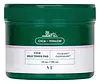
This acne toner pad uses a pre-saturated pad with Salicylic Acid and Centella Asiatica Extract to clear breakouts and calm redness.
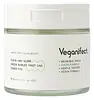
This smoothing toner pad uses a pre-saturated pad with Citric Acid and Capryloyl Salicylic Acid to refine skin texture and refine the look of pores.

What's inside
What's inside
 Key Ingredients
Benefits
Concerns
Ingredients Side-by-side
Water
Skin ConditioningGlycerin
Humectant


Butylene Glycol
Humectant
Salicylic Acid
Masking










Centella Asiatica Extract
Cleansing


Sodium Hyaluronate
Humectant
Asiaticoside
Antioxidant
Madecassoside
Antioxidant
Madecassic Acid
Skin Conditioning
Asiatic Acid
Skin Conditioning
Propolis Extract
Skin Conditioning
Artemisia Annua Extract
Masking
Hamamelis Virginiana Leaf Extract
Skin Conditioning
Salix Alba Bark Extract
Astringent
Allantoin
Skin Conditioning
Beta-Glucan
Skin Conditioning
Tromethamine
BufferingDiethoxyethyl Succinate
SolventChlorphenesin
Antimicrobial
Polyglyceryl-10 Laurate
Skin Conditioning
Polyglyceryl-10 Myristate
Skin Conditioning
Ethylhexylglycerin
Skin ConditioningDextrin
AbsorbentGardenia Florida Fruit Extract
Skin ConditioningDisodium EDTA
ChelatingTocopherol
Antioxidant
Propanediol
Solvent
Betaine
Humectant
Dipotassium Glycyrrhizate
Humectant
1,2-Hexanediol
Skin Conditioning
Water, Glycerin, Butylene Glycol, Salicylic Acid, Centella Asiatica Extract, Sodium Hyaluronate, Asiaticoside, Madecassoside, Madecassic Acid, Asiatic Acid, Propolis Extract, Artemisia Annua Extract, Hamamelis Virginiana Leaf Extract, Salix Alba Bark Extract, Allantoin, Beta-Glucan, Tromethamine, Diethoxyethyl Succinate, Chlorphenesin, Polyglyceryl-10 Laurate, Polyglyceryl-10 Myristate, Ethylhexylglycerin, Dextrin, Gardenia Florida Fruit Extract, Disodium EDTA, Tocopherol, Propanediol, Betaine, Dipotassium Glycyrrhizate, 1,2-Hexanediol
Oryza Sativa Bran Water
Masking
Butylene Glycol
Humectant
Dipropylene Glycol
HumectantGlycerin
Humectant
Diglycerin
Humectant
1,2-Hexanediol
Skin Conditioning
Water
Skin ConditioningPolyglyceryl-10 Laurate
Skin Conditioning
Acrylates/C10-30 Alkyl Acrylate Crosspolymer
Emulsion StabilisingTromethamine
BufferingCitric Acid
Buffering
Hydroxyethylcellulose
Emulsion StabilisingHordeum Vulgare Leaf Extract
Skin ConditioningBetaine
Humectant
Melia Azadirachta Leaf Extract
Skin ConditioningBeta-Glucan
Skin Conditioning
Dextrin
AbsorbentHordeum Vulgare Extract
EmollientMelia Azadirachta Flower Extract
Skin ConditioningSuccinic Acid
BufferingPanthenol
Skin Conditioning
Capryloyl Salicylic Acid
Exfoliating
Mandelic Acid
Antimicrobial
Gardenia Florida Fruit Extract
Skin ConditioningPinus Densiflora Leaf Extract
Antimicrobial
Coix Lacryma-Jobi Ma-Yuen Seed Extract
Skin ConditioningCitrus Junos Fruit Extract
Skin ConditioningArtemisia Princeps Leaf Extract
Skin ConditioningTocopherol
Antioxidant
Artemisia Annua Extract
Masking
Benzoic Acid
Masking
Benzaldehyde
Masking

Disodium EDTA
ChelatingEthylhexylglycerin
Skin ConditioningOryza Sativa Bran Water, Butylene Glycol, Dipropylene Glycol, Glycerin, Diglycerin, 1,2-Hexanediol, Water, Polyglyceryl-10 Laurate, Acrylates/C10-30 Alkyl Acrylate Crosspolymer, Tromethamine, Citric Acid, Hydroxyethylcellulose, Hordeum Vulgare Leaf Extract, Betaine, Melia Azadirachta Leaf Extract, Beta-Glucan, Dextrin, Hordeum Vulgare Extract, Melia Azadirachta Flower Extract, Succinic Acid, Panthenol, Capryloyl Salicylic Acid, Mandelic Acid, Gardenia Florida Fruit Extract, Pinus Densiflora Leaf Extract, Coix Lacryma-Jobi Ma-Yuen Seed Extract, Citrus Junos Fruit Extract, Artemisia Princeps Leaf Extract, Tocopherol, Artemisia Annua Extract, Benzoic Acid, Benzaldehyde, Disodium EDTA, Ethylhexylglycerin
Reviews
Ingredients Explained
These ingredients are found in both products.
Ingredients higher up in an ingredient list are typically present in a larger amount.
1,2-Hexanediol is a synthetic liquid and another multi-functional powerhouse.
It is a:
- Humectant, drawing moisture into the skin
- Emollient, helping to soften skin
- Solvent, dispersing and stabilizing formulas
- Preservative booster, enhancing the antimicrobial activity of other preservatives
Artemisia Annua Extract comes from sweet wormwood or the annual mugwort. This plant is best known historically as the source of the anti-malarial drug, artemisinin.
In skincare, this ingredient has skin soothing and conditioning properties that make it a great choice for sensitive, reactive, or acne-prone skin.
The extract is rich in polyphenols, flavonoids, and sesquiterpenes that do most of the work in a formula.
A 2020 human clinical trial found that cosmetics containing Artemisia Annua Extract increased stratum corneum hydration and reduced transepidermal water loss while also calming redness and inflammation over four weeks of use.
Lab and animal studies build on this as well, showing the extract reduces inflammatory signals, boosts a protein important for barrier health (filaggrin), and has anti-itch/antibacterial activity (including against C.acnes, the bacteria linked to breakouts).
There's also a well-documented artemisinin-free version called Artemisia Naphta oil which performed well at 1% in a small human trial for sensitive and acne-prone skin.
On concentrations, published research clusters around 1% for finished products.
The ingredient is generally well-tolerated, but people with Asteraceae or ragweed allergies may want to patch test first.
Learn more about Artemisia Annua ExtractBeta-Glucan is a soluble polysaccharide (a chain of glucose sugars) sourced from the cells walls of oats, baker's yeast, mushrooms, and seaweed.
It's a rare ingredient that pulls double-duty as a heavy-duty hydrator and skin-soothing repair agent.
On the surface, it acts as a humectant that holds water in place and reduces moisture loss for a plumper, smoother feel, while its anti-inflammatory and antioxidant properties make it a great pick for calming redness or sensitive skin
The more interesting story is underneath:
Despite its large molecular size, oat beta-glucan has been shown to penetrate the epidermis and reach the dermis by slipping between skin cells. Here, it interacts with fibroblasts and macrophages to nudge collagen synthesis and support wound repair.
A small 2005 split-face clinical study of 27 subjects found topical beta-glucan produced measurable reductions in wrinkle depth, height, and roughness after 8 weeks of use.
It is worth noting the trial was small and the penetration testing used frozen, irradiated skin so the anti-aging data is encouraging rather than definitive.
This ingredient gets along with pretty much everything and is typically used around 0.1-1%.
Fungal acne: This ingredient is not a food source for the Malassezia yeast because it is a glucose polysaccharide with no fatty acid or ester component.
Learn more about Beta-GlucanBetaine is a humectant. Like hyaluronic acid, it helps attract and retain moisture in the skin. It’s known for being gentle and for helping the skin maintain balanced hydration.
Betaine is mainly used to improve hydration and support calmer skin. It helps skin cells regulate water balance because it functions as an osmolyte.
Some studies suggest betaine may support making skin tone more even.
Fun fact: Betaine naturally exists in the skin and the body. In cosmetic products, it can be either plant-derived (most commonly from sugar beets) or synthetically produced for consistency and stability.
Betaine is also known as trimethylglycine.
Learn more about BetaineButylene Glycol (or BG) is used within cosmetic products for a few different reasons:
Overall, Butylene Glycol is a safe and well-rounded ingredient that works well with other ingredients.
Though this ingredient works well with most skin types, some people with sensitive skin may experience a reaction such as allergic rashes, closed comedones, or itchiness.
Learn more about Butylene GlycolDextrin is a starch-derived polysaccharide. It's made by partially breaking down corn, potato, or other plant starches.
Think of it as "half-processed" starch; it's less complex than the original but not fully broken down into sugar like maltodextrin.
In cosmetics, it mainly functions as a bulking agent, viscosity controller, binder, and absorbent. It helps thicken products, stabilize powders, and get certain textures a less "wet" feel.
This ingredient has a pretty solid safety profile; it's recognized as a safe food additive and its large molecular size means it doesn't meaningfully penetrate skin.
Human repeat insult patch tests using a rinse-off facial product containing 42.69% dextrin found no skin irritation or sensitization in 54 subjects.
Typical real-world usage is much lower: usually under 1% as a texture modifier and up to 40% in masks (rinse off products use less).
Learn more about DextrinDisodium EDTA is a chelating agent. It grabs onto and deactivates metal ions that sneak into your products from water, packaging, or air.
This ingredient mainly works behind the scenes and helps with:
On top of that, this ingredient can counteract the effects of hard water by binding to the minerals in it.
One thing worth knowing is that Disodium EDTA has been shown to be a mild penetration enhancer. It can help other ingredients absorb into skin more effectively which can be a double-edged sword (great for actives, but can also make the active too strong if you have sensitive skin).
Clinical patch testing showed no significant skin irritation at typical use concentrations and minimal dermal absorption.
You'll most likely see this ingredient near the end of an ingredient list. It's typically found in concentrations less than 1%.
Learn more about Disodium EDTAEthylhexylglycerin is created from glycerin. It is a multitasker ingredient that:
The CIR Expert Panel found minimal skin absorption or sensitization of any kind in a safety assessment. Though this ingredient is considered well-tolerated, a small number of cases of allergic dermatitis have been published since 2002. Just be sure to patch test if you are unsure.
Industry-reported use ranges from 8% in rinse-off products and 2% in leave-on formulations.
Learn more about EthylhexylglycerinThis ingredient comes from the evergreen flowering plant, gardenia. It has skin conditioning properties.
Glycerin (or glycerol) is a compound naturally found in your skin. It's a powerhouse humectant that pulls water into the stratum corneum.
Topically, glycerin does several things at once:
Your skin makes glycerin on its own (mostly from sebaceous oil breakdown) and shuttles it to your outermost layer of skin, or your epidermis, via aquaporin-3.
Aquaporin-3 is a transporter that is essential for normal skin hydration, elasticity, and repair. Interestingly, mice lacking in AQP3 have dry and less elastic skin that can be fully corrected with glycerin.
This ingredient is non-irritating, plays well with almost every ingredient, and works across all skin types. Typical use is anywhere between 3-10% but can go up to 79% in some leave-on products.
Just know very high concentrations (>40%) can feel tacky in low humidity.
Glycerin is the name for this ingredient in American English. British English uses Glycerol/Glycerine.
Learn more about GlycerinPolyglyceryl-10 Laurate is a cleansing agent and emulsifier.
It rounds up dirt, oil, and grime, so they can be rinsed off easily as a cleanser.
On the emulsifier side, it keeps your formula smooth and well-mixed by playing peacekeeper for ingredients that don't naturally get along (like oil and water).
Because it has a C12 (lauric acid) fatty acid chain, this ingredient can potentially feed the Malassezia yeast that causes fungal acne. The Malassezia yeast prefers esters with C11-C24 fatty acids.
This ingredient is an ester of lauric acid and Polyglycerin-10.
Learn more about Polyglyceryl-10 LaurateTocopherol is a fat-soluble antioxidant known as Vitamin E.
You'll find this ingredient in the vast majority of skincare (for good reason). It works to neutralize free radicals, or unstable molecules generated by UV exposure, pollution, and other environmental stressors, before they can cause oxidative damage to your skin cells.
Topically applied tocopherol has been shown to protect against UV damage by ramping up the skin's own natural defense enzymes.
It also acts as a skin conditioning agent; some studies show that regular topical use can improve the skin's water-binding capacity over 2-4 weeks.
This ingredient is especially loved for being a team player. When combined with Vitamin C, the photoprotective effect of both ingredients roughly doubles and the combo also helps reduce UV-induced DNA damage.
This ingredient has some brightening potential but it's more of a prevention ingredient than spot-fader. Cell studies show it can slow down melanin production but it's worth noting that it's not the most powerful brightener out there.
In formulations, it also serves as a stabilizer that helps protect other oxidation-prone ingredients from degrading.
Concentrations usually range from 0.1-1% in most leave-on products.
Learn more about TocopherolTromethamine (aka THAM) is a synthetic amino acid that shows up in skincare as a helper ingredient.
It functions as a pH adjuster to help neutralize acidic ingredients and set a formula's pH to the right spot.
This matters a lot because a lot of actives (like vitamin C) needs a specific pH to work well and feel comfortable on skin.
Concentration use ranges from 0.1-1.0% depending on the formula.
Learn more about TromethamineWater. It's the most common cosmetic ingredient of all. You'll usually see it at the top of ingredient lists, meaning that it makes up the largest part of the product.
So why is it so popular? Water most often acts as a solvent - this means that it helps dissolve other ingredients into the formulation.
You'll also recognize water as that liquid we all need to stay alive. If you see this, drink a glass of water. Remember to stay hydrated!
Learn more about Water

