
What's inside
What's inside
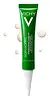 Key Ingredients
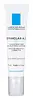
Benefits
Concerns
Ingredients Side-by-side
Sulfur
Antiseborrhoeic


Water
Skin ConditioningNiacinamide
Smoothing










Zea Mays Starch
Absorbent
Glycolic Acid
Buffering


Stearyl Alcohol
Emollient

Glycerin
Humectant
Octyldodecyl Myristate
EmollientCetearyl Alcohol
Emollient



Glyceryl Stearate
Emollient
Sodium Hydroxide
BufferingMagnesium Aluminum Silicate
Absorbent
PEG-100 Stearate
Surfactant
C13-14 Isoparaffin
Emollient
Allantoin
Skin Conditioning
Ceteareth-20
CleansingPhenoxyethanol
Preservative
Phenylethyl Resorcinol
Antioxidant
Tocopheryl Acetate
Antioxidant
Disodium EDTA
Laureth-7
EmulsifyingHydrogenated Lecithin
Emulsifying
Polyacrylamide
Ethylhexylglycerin
Skin ConditioningSulfur, Water, Niacinamide, Zea Mays Starch, Glycolic Acid, Stearyl Alcohol, Glycerin, Octyldodecyl Myristate, Cetearyl Alcohol, Glyceryl Stearate, Sodium Hydroxide, Magnesium Aluminum Silicate, PEG-100 Stearate, C13-14 Isoparaffin, Allantoin, Ceteareth-20, Phenoxyethanol, Phenylethyl Resorcinol, Tocopheryl Acetate, Disodium EDTA, Laureth-7, Hydrogenated Lecithin, Polyacrylamide, Ethylhexylglycerin
Water
Skin ConditioningCyclohexasiloxane
Emollient
Isononyl Isononanoate
EmollientPropylene Glycol
Humectant
Isohexadecane
EmollientNiacinamide
Smoothing
PEG-100 Stearate
Surfactant
Glyceryl Stearate
Emollient
Cetyl Alcohol
Emollient
Argilla
Abrasive
Carbomer
Emulsion StabilisingSodium Hydroxide
BufferingCapryloyl Glycine
CleansingCapryloyl Salicylic Acid
Exfoliating
Citric Acid
Buffering
Xanthan Gum
EmulsifyingAcrylates Copolymer
Salicylic Acid
Masking
Iodopropynyl Butylcarbamate
Preservative
Chlorhexidine Digluconate
Antimicrobial
Piroctone Olamine
Preservative
Parfum
Masking

Water, Cyclohexasiloxane, Isononyl Isononanoate, Propylene Glycol, Isohexadecane, Niacinamide, PEG-100 Stearate, Glyceryl Stearate, Cetyl Alcohol, Argilla, Carbomer, Sodium Hydroxide, Capryloyl Glycine, Capryloyl Salicylic Acid, Citric Acid, Xanthan Gum, Acrylates Copolymer, Salicylic Acid, Iodopropynyl Butylcarbamate, Chlorhexidine Digluconate, Piroctone Olamine, Parfum
Reviews
Ingredients Explained
These ingredients are found in both products.
Ingredients higher up in an ingredient list are typically present in a larger amount.
Glyceryl Stearate is made by reacting glycerin with stearic acid (typically sourced from plant oils like palm or coconut). It's an emulsifier, emollient, and mild occlusive.
Emulsifiers help ingredients like oil and water stay mixed so your formula stays nicely blended and uniform in texture.
This ingredient is typically used in concentrations between 1-10%. Studies have found it to be non-sensitizing, non-phototoxic, and non-photoallergenic.
A close cousin of this ingredient is Glyceryl Stearate SE ("self-emulsifying"). This just has a small amount of sodium or potassium stearate added so it can emulsify without a co-emulsifier.
Since this ingredient is an ester of a C18 fatty acid, it may not be fungal acne safe. The Malassezia yeast can potentially metabolize within the C11-C24 range.
Fun fact: The human body also creates Glyceryl Stearate naturally.
Learn more about Glyceryl StearateNiacinamide is a multitasking form of vitamin B3 that strengthens the skin barrier, reduces pores and dark spots, regulates oil, and improves signs of aging.
And the best part? It's gentle and well-tolerated by most skin types, including sensitive and reactive skin.
You might have heard of "niacin flush", or the reddening of skin that causes itchiness. Niacinamide has not been found to cause this.
In very rare cases, some individuals may not be able to tolerate niacinamide at all or experience an allergic reaction to it.
If you are experiencing flaking, irritation, and dryness with this ingredient, be sure to double check all your products as this ingredient can be found in all categories of skincare.
When incorporating niacinamide into your routine, look out for concentration amounts. Typically, 5% niacinamide provides benefits such as fading dark spots. However, if you have sensitive skin, it is better to begin with a smaller concentration.
When you apply niacinamide to your skin, your body converts it into nicotinamide adenine dinucleotide (NAD). NAD is an essential coenzyme that is already found in your cells as "fuel" and powers countless biological processes.
In your skin, NAD helps repair cell damage, produce new healthy cells, support collagen production, strengthen the skin barrier, and fight environmental stressors (like UV and pollution).
Our natural NAD levels start to decline with age, leading to slower skin repair, visible aging, and a weaker skin barrier. By providing your skin niacinamide, you're recharging your skin's NAD levels. This leads to stronger, healthier, and younger looking skin.
Another name for vitamin B3 is nicotinamide. This vitamin is water-soluble and our bodies don't store it. We obtain Vitamin B3 from either food or skincare. Meat, fish, wheat, yeast, and leafy greens contain vitamin B3.
The type of niacinamide used in skincare is synthetically created.
Learn more about NiacinamidePeg-100 Stearate is an emollient and emulsifier. As an emollient, it helps keep skin soft by trapping moisture in. On the other hand, emulsifiers help prevent oil and water from separating in a product.
PEGS are a hydrophilic polyether compound . There are 100 ethylene oxide monomers in Peg-100 Stearate. Peg-100 Stearate is polyethylene glycol ester of stearic acid.
Sodium Hydroxide is also known as lye or caustic soda. It is used to adjust the pH of products; many ingredients require a specific pH to be effective.
In small amounts, sodium hydroxide is considered safe to use. However, large amounts may cause chemical burns due to its high alkaline.
Your skin has a natural pH and acid mantle. This acid mantle helps prevent harmful bacteria from breaking through. The acid mantle also helps keep your skin hydrated.
"Alkaline" refers to a high pH level. A low pH level would be considered acidic.
Learn more about Sodium HydroxideWater. It's the most common cosmetic ingredient of all. You'll usually see it at the top of ingredient lists, meaning that it makes up the largest part of the product.
So why is it so popular? Water most often acts as a solvent - this means that it helps dissolve other ingredients into the formulation.
You'll also recognize water as that liquid we all need to stay alive. If you see this, drink a glass of water. Remember to stay hydrated!
Learn more about Water

