

What's inside
What's inside
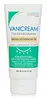 Key Ingredients
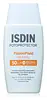
Benefits
Concerns
No concerns
Ingredients Side-by-side
Zinc Oxide
Cosmetic Colorant


Water
Skin ConditioningC12-15 Alkyl Benzoate
AntimicrobialIsopentyldiol
Humectant
Squalane
Emollient

Glycerin
Humectant
Coco-Caprylate/Caprate
Emollient
Bis-Octyldodecyl Dimer Dilinoleate/Propanediol Copolymer
EmollientGlyceryl Stearate
Emollient
PEG-100 Stearate
Surfactant
Polyhydroxystearic Acid
Emulsifying
Cetearyl Alcohol
Emollient


Sucrose Stearate
EmollientCeramide EOP
Skin Conditioning


Ceramide Ng
Skin Conditioning
Ceramide NP
Skin Conditioning
Ceramide As
Skin Conditioning
Ceramide AP
Skin Conditioning
Carnosine
Skin Conditioning
Phytosterols
Skin Conditioning
Hydrogenated Lecithin
Emulsifying
Dimethicone
Emollient
Triethoxycaprylylsilane
Polyacrylate Crosspolymer-11
Emulsion StabilisingCaprylyl Glycol
Emollient
1,2-Hexanediol
Skin Conditioning
Zinc Oxide, Water, C12-15 Alkyl Benzoate, Isopentyldiol, Squalane, Glycerin, Coco-Caprylate/Caprate, Bis-Octyldodecyl Dimer Dilinoleate/Propanediol Copolymer, Glyceryl Stearate, PEG-100 Stearate, Polyhydroxystearic Acid, Cetearyl Alcohol, Sucrose Stearate, Ceramide EOP, Ceramide Ng, Ceramide NP, Ceramide As, Ceramide AP, Carnosine, Phytosterols, Hydrogenated Lecithin, Dimethicone, Triethoxycaprylylsilane, Polyacrylate Crosspolymer-11, Caprylyl Glycol, 1,2-Hexanediol
C15-19 Alkane
SolventCaprylic/Capric Triglyceride
Masking
Zinc Oxide
Cosmetic Colorant
Titanium Dioxide
Cosmetic Colorant
Butylene Glycol Dicaprylate/Dicaprate
EmollientCoco-Caprylate/Caprate
Emollient
Silica
Abrasive

Butyloctyl Salicylate
Skin Conditioning
Vp/Eicosene Copolymer
Disteardimonium Hectorite
Stabilising1,2-Hexanediol
Skin Conditioning
Caprylyl Glycol
Emollient
Panthenol
Skin Conditioning
Tocopheryl Acetate
Antioxidant


Propylene Carbonate
SolventDimethicone
Emollient
Triethoxycaprylylsilane
Poly C10-30 Alkyl Acrylate
Emulsion StabilisingTocopherol
Antioxidant
C15-19 Alkane, Caprylic/Capric Triglyceride, Zinc Oxide, Titanium Dioxide, Butylene Glycol Dicaprylate/Dicaprate, Coco-Caprylate/Caprate, Silica, Butyloctyl Salicylate, Vp/Eicosene Copolymer, Disteardimonium Hectorite, 1,2-Hexanediol, Caprylyl Glycol, Panthenol, Tocopheryl Acetate, Propylene Carbonate, Dimethicone, Triethoxycaprylylsilane, Poly C10-30 Alkyl Acrylate, Tocopherol
Reviews
Ingredients Explained
These ingredients are found in both products.
Ingredients higher up in an ingredient list are typically present in a larger amount.
1,2-Hexanediol is a synthetic liquid and another multi-functional powerhouse.
It is a:
- Humectant, drawing moisture into the skin
- Emollient, helping to soften skin
- Solvent, dispersing and stabilizing formulas
- Preservative booster, enhancing the antimicrobial activity of other preservatives
Caprylyl Glycol is a humectant, skin conditioner, emollient, and preservative booster derived from either caprylic acid or synthetically created.
Typical use levels vary from 0.3-1% as a preservative booster and go up to 2% to condition skin.
Because it is not a free-fatty acid, this ingredient is fungal acne safe (there's nothing for Malassezia to feed on).
Learn more about Caprylyl GlycolCoco-Caprylate/Caprate is a lightweight ester created from coconut oil fatty acids, caprylic acid, and capric acid.
It is an emollient that helps soften skin and reduce transepidermal water loss (TEWL). What sets it apart from heavier emollients is its ultralight, non-greasy feel.
Once applied, this ingredient dries down quickly and leaves a dry, silky finish behind. This also helps improve spreadability and texture.
This ingredient has an excellent safety-record and is non-irritating.
Typical concentrations for cosmetics range from 0.5-62%.
Research on Malassezia growth found no growth on fatty acid esters with chain lengths shorter than 12 carbons (it prefers C11-24).
Since Coco-Caprylate/Caprate is built on C8 and C10 fatty acids, it is out of the range that Malassezia metabolizes, and therefore safe for fungal acne.
Learn more about Coco-Caprylate/CaprateDimethicone is a type of synthetic silicone created from natural materials such as quartz. It is also known as polydimethylsiloxane.
What it does:
Dimethicone comes in different viscosities:
Depending on the viscosity, dimethicone has different properties.
Ingredients lists don't always show which type is used, so we recommend reaching out to the brand if you have questions about the viscosity.
This ingredient is unlikely to cause irritation because it does not get absorbed into skin. However, people with silicone allergies should be careful about using this ingredient.
Note: Dimethicone may contribute to pilling. This is because it is not oil or water soluble, so pilling may occur when layered with products. When mixed with heavy oils in a formula, the outcome is also quite greasy.
Learn more about DimethiconeTriethoxycaprylylsilane is a silicon-based surface modifier that makes sunscreens feel silky and makeup stay put.
Its main job is to coat mineral particles like titanium dioxide, zinc oxide, and color pigments in a thin, oily layer so they spread smoothly, don't clump, and stick to skin better.
This ingredient is typically used at low levels (up to 2.5% in eyeshadow and 1% in lipstick).
Learn more about TriethoxycaprylylsilaneZinc Oxide is a mineral broad-spectrum UV filter; it is the broadest UVA and UVB reflector approved by the FDA. It also has skin protectant and skin soothing properties.
Zinc oxide is one of the most effective broad-spectrum UV filters. It protects against UVB, UVAII, and UVAI. In comparison to its counterpart titanium dioxide, zinc oxide provides uniform and extended UVA protection.
Another great benefit? This ingredient is highly photostable so it won't degrade easily under sunlight.
A common myth is that mineral UV filters are widely believed to primarily reflect UV light.
However, modern research shows titanium dioxide absorbs UV radiation like chemical filters (~95% absorption & 5% reflection).
Zinc oxide has great skin soothing properties so you'll likely find this in sunscreens formulated for sensitive skin or babies/children. It is unlikely to cause "eye sting" like other sunscreen ingredients.
Regulatory agencies consider zinc oxide to be non-toxic and safe. It has also been shown to not penetrate the skin.
Unfortunately, this ingredient does leave a visible white cast. This is why mineral sunscreens are often less cosmetically elegant than chemical or hybrid ones.
In cosmetics, zinc oxide can be found in both non-nano and nano-sized forms. The nano version is used to reduce white cast and improve the texture of sunscreen formulas.
There are ongoing concerns surrounding nano-zinc oxide's impact on marine ecosystems and whether it can be absorbed into skin.
Regarding marine ecosystems and coral reefs, there is no conclusive evidence that any form of zinc oxide (or any other sunscreen ingredients) will cause harm. The science is still developing but many consumers are keeping a close eye on this issue.
Please note, many destinations have reef-safety sunscreen rules. For instance, the U.S. Virgin Islands advises all visitors to use non-nano mineral sunscreens.
There has also been some stir about whether micronized or nano zinc oxide has potential photoxicity and absorption through the skin/lungs.
An in-vitro (done in a test tube or petri dish) study demonstrated micronized zinc oxide to have potential phototoxicity. There's no need to fret; the EU Commission's Scientific Committee on Consumer Safety has stated, "The relevance of these findings needs to be clarified by appropriate investigations in vivo." Or in other words, further studies done on living organisms are needed to prove this.
Current research shows zinc oxide nanoparticles do not penetrate intact or sunburned skin. They either remain on the surface or in the outermost layer of dead skin (stratum corneum).
Zinc oxide is one of only two classified mineral UV filters with titanium dioxide being the other one.
Fun fact: Zinc has been used throughout history as an ingredient in paint and medicine. An Indian text from 500BC is believed to list zinc oxide as a salve for open wound. The Ancient Greek physician Dioscorides has also mentioned the use of zinc as an ointment in 1AD.
Learn more about Zinc Oxide
