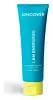
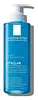
Uncover Green Tea Revitalising Cleanser Versus La Roche-Posay Effaclar Purifying Foaming Gel Face Cleanser For Oily Skin
This salicylic acid foaming cleanser is formulated around Salicylic Acid to clear breakouts and unclog pores.


What's inside
What's inside
 Key Ingredients
Benefits
Concerns
Ingredients Side-by-side
Water
Skin ConditioningMyristic Acid
Cleansing




Glycerin
Humectant

Palmitic Acid
Emollient
Potassium Hydroxide
BufferingLauric Acid
Cleansing
Stearic Acid
Cleansing
Glycol Distearate
Emollient
Cocamidopropyl Betaine
Cleansing

Disodium Laureth Sulfosuccinate
CleansingSorbitan Olivate
Emulsifying
Butylene Glycol
Humectant
Salicylic Acid
Masking







Sodium Benzoate
Masking
Betaine
Humectant
Lavandula Angustifolia Oil
Masking



Sodium Chloride
MaskingCamellia Sinensis Leaf Extract
Antimicrobial


Xanthan Gum
EmulsifyingTocopherol
Antioxidant

Cucumis Sativus Fruit Extract
Emollient
Capric Acid
Cleansing
1,2-Hexanediol
Skin Conditioning
Oryza Sativa Extract
Absorbent
Linalool
Perfuming
Water, Myristic Acid, Glycerin, Palmitic Acid, Potassium Hydroxide, Lauric Acid, Stearic Acid, Glycol Distearate, Cocamidopropyl Betaine, Disodium Laureth Sulfosuccinate, Sorbitan Olivate, Butylene Glycol, Salicylic Acid, Sodium Benzoate, Betaine, Lavandula Angustifolia Oil, Sodium Chloride, Camellia Sinensis Leaf Extract, Xanthan Gum, Tocopherol, Cucumis Sativus Fruit Extract, Capric Acid, 1,2-Hexanediol, Oryza Sativa Extract, Linalool




Reviews
Ingredients Explained
These ingredients are found in both products.
Ingredients higher up in an ingredient list are typically present in a larger amount.
Sodium Benzoate is a preservative. It's used in both cosmetic and food products to inhibit the growth of mold and bacteria. It is typically produced synthetically.
Both the US FDA and EU Health Committee have approved the use of sodium benzoate. In the US, levels of 0.1% (of the total product) are allowed.
Sodium benzoate works as a preservative by inhibiting the growth of bacteria inside of cells. It prevents the cell from fermenting a type of sugar using an enzyme called phosphofructokinase.
It is the salt of benzoic acid. Foods containing sodium benzoate include soda, salad dressings, condiments, fruit juices, wines, and snack foods.
Studies for using ascorbic acid and sodium benzoate in cosmetics are lacking, especially in skincare routines with multiple steps.
We always recommend speaking with a professional, such as a dermatologist, if you have any concerns.
Learn more about Sodium BenzoateChances are, you eat sodium chloride every day. Sodium Chloride is also known as table salt. This ingredient has many purposes in skincare: thickener, emulsifier, and exfoliator.
You'll most likely find this ingredient in cleansers where it is used to create a gel-like texture. As an emulsifier, it also prevents ingredients from separating.
You might see people debate whether Sodium Chloride is comedogenic, but there actually haven't been any comedogenic tests done on it. Either way, the overall formulation of a product matters a lot more than any single ingredient.
You might see this ingredient used in scrubs as a primary exfoliating ingredient.
Learn more about Sodium ChlorideWater. It's the most common cosmetic ingredient of all. You'll usually see it at the top of ingredient lists, meaning that it makes up the largest part of the product.
So why is it so popular? Water most often acts as a solvent - this means that it helps dissolve other ingredients into the formulation.
You'll also recognize water as that liquid we all need to stay alive. If you see this, drink a glass of water. Remember to stay hydrated!
Learn more about Water

