

What's inside
What's inside
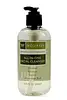 Key Ingredients
Benefits
Concerns
Ingredients Side-by-side
Water
Skin ConditioningSodium Cocoyl Glutamate
CleansingDisodium PEG-12 Dimethicone Sulfosuccinate
Cleansing
Sodium Lauroyl Oat Amino Acids
CleansingCocamidopropyl Betaine
Cleansing

PEG-80 Sorbitan Laurate

Panthenol
Skin Conditioning




Retinyl Palmitate
Skin Conditioning







Cholecalciferol
Tocopheryl Acetate
Antioxidant

Ascorbyl Palmitate
Antioxidant
Phytonadione Epoxide
AstringentThioctic Acid
Antioxidant
Ubiquinone
Antioxidant
Camellia Sinensis Extract
Antioxidant
Copper Tripeptide-1
Skin Conditioning
Citric Acid
Buffering
Phenoxyethanol
Preservative
Sorbic Acid
Preservative
Water, Sodium Cocoyl Glutamate, Disodium PEG-12 Dimethicone Sulfosuccinate, Sodium Lauroyl Oat Amino Acids, Cocamidopropyl Betaine, PEG-80 Sorbitan Laurate, Panthenol, Retinyl Palmitate, Cholecalciferol, Tocopheryl Acetate, Ascorbyl Palmitate, Phytonadione Epoxide, Thioctic Acid, Ubiquinone, Camellia Sinensis Extract, Copper Tripeptide-1, Citric Acid, Phenoxyethanol, Sorbic Acid
Water
Skin ConditioningCocamidopropyl Betaine
Cleansing
Sodium Methyl Oleoyl Taurate
CleansingPEG-75
HumectantAcrylates Copolymer
Glycerin
Humectant
Disodium Cocoamphodipropionate
CleansingPEG-120 Methyl Glucose Dioleate
Emulsifying
Dimethyl Sulfone
Solvent
Pyridoxine Hcl
Skin ConditioningSalix Alba Bark Extract
Astringent
Forsythia Suspensa Fruit Extract
Antioxidant
Butylene Glycol
Humectant
Centella Asiatica Extract
Cleansing
Polygonum Cuspidatum Root Extract
Antioxidant
Scutellaria Baicalensis Root Extract
AstringentCamellia Sinensis Leaf Extract
Antimicrobial
Glycyrrhiza Uralensis Root Extract
Skin Conditioning
Chamomilla Recutita Flower Extract
Masking
Rosmarinus Officinalis Leaf Extract
AntimicrobialSodium Chloride
Masking

Copper Tripeptide-1
Skin Conditioning
Allantoin
Skin Conditioning
Citric Acid
Buffering
Potassium Hydroxide
BufferingSodium Benzoate
Masking
Phenoxyethanol
Preservative
Disodium EDTA
Water, Cocamidopropyl Betaine, Sodium Methyl Oleoyl Taurate, PEG-75, Acrylates Copolymer, Glycerin, Disodium Cocoamphodipropionate, PEG-120 Methyl Glucose Dioleate, Dimethyl Sulfone, Pyridoxine Hcl, Salix Alba Bark Extract, Forsythia Suspensa Fruit Extract, Butylene Glycol, Centella Asiatica Extract, Polygonum Cuspidatum Root Extract, Scutellaria Baicalensis Root Extract, Camellia Sinensis Leaf Extract, Glycyrrhiza Uralensis Root Extract, Chamomilla Recutita Flower Extract, Rosmarinus Officinalis Leaf Extract, Sodium Chloride, Copper Tripeptide-1, Allantoin, Citric Acid, Potassium Hydroxide, Sodium Benzoate, Phenoxyethanol, Disodium EDTA
Reviews
Ingredients Explained
These ingredients are found in both products.
Ingredients higher up in an ingredient list are typically present in a larger amount.
Citric Acid is an alpha hydroxy acid (AHA) naturally found in citrus fruits like oranges, lemons, and limes.
Like other AHAs, citric acid can exfoliate skin by breaking down the bonds that hold dead skin cells together. This helps reveal smoother and brighter skin underneath.
However, this exfoliating effect only happens at high concentrations (20%) which can be hard to find in cosmetic products.
Due to this, citric acid is usually included in small amounts as a pH adjuster. This helps keep products slightly more acidic and compatible with skin's natural pH.
In skincare formulas, citric acid can:
While it can provide some skin benefits, research shows lactic acid and glycolic acid are generally more effective and less irritating exfoliants.
Most citric acid used in skincare today is made by fermenting sugars (usually from molasses). This synthetic version is identical to the natural citrus form but easier to stabilize and use in formulations.
Read more about some other popular AHA's here:
Learn more about Citric AcidCocamidopropyl Betaine is a fatty acid created by mixing similar compounds in coconut oil and dimethylaminopropylamine, a compound with two amino groups.
This ingredient is a surfactant and cleanser. It helps gather the dirt, pollutants, and other impurities in your skin to be washed away. It also helps thicken a product and make the texture more creamy.
Being created from coconut oil means Cocamidopropyl Betaine is hydrating for the skin.
While Cocamidopropyl Betaine was believed to be an allergen, a study from 2012 disproved this. It found two compounds in unpure Cocamidopropyl Betaine to be the irritants: aminoamide and 3-dimethylaminopropylamine. High-grade and pure Cocamidopropyl Betaine did not induce allergic reactions during this study.
Learn more about Cocamidopropyl BetaineCopper Tripeptide-1 (GHK-Cu) is a skin repairing ingredient known for its ability to boost collagen, improve firmness, and support skin regeneration.
It is a complex made up of a naturally occurring peptide (glycine-histidine-lysine) and copper, an essential trace element.
While studying wound healing, researchers noticed GHK-Cu stimulated hair follicle enlargement and growth by keeping hair in its active growth phase longer. This has made it a promising ingredient for hair regrowth treatments.
Some people have reported increased facial hair. While GHK-Cu can make your hair follicles bigger, it usually doesn’t turn soft, barely-visible facial hairs into thick, dark ones.
Anecdotal reports suggest that overusing copper peptides might lead to premature aging due to excess free copper or enzyme imbalances. This claim isn’t backed by large-scale studies.
Unfortunately, there are limited human studies for this ingredient. While early results are promising, many studies are either small, in-vitro, or not rigorously controlled.
For example, there is a 1998 study that explored the effects of copper tripeptide, vitamin C, tretinoin, and melatonin on skin repair and collagen synthesis.
After one month, increased procollagen production was seen in 7 out of 10 participants using copper tripeptide (more than those using vitamin C, melatonin, or tretinoin.
While the study was exploratory, it offers early evidence that copper tripeptide may support collagen production. Larger, well-designed trials are still needed to confirm its potential and understand individual responses.
Read more about other common types of peptides here:
Learn more about Copper Tripeptide-1Phenoxyethanol is a preservative that has germicide, antimicrobial, and aromatic properties. Studies show that phenoxyethanol can prevent microbial growth. By itself, it has a scent that is similar to that of a rose.
It's often used in formulations along with Caprylyl Glycol to preserve the shelf life of products.
Water. It's the most common cosmetic ingredient of all. You'll usually see it at the top of ingredient lists, meaning that it makes up the largest part of the product.
So why is it so popular? Water most often acts as a solvent - this means that it helps dissolve other ingredients into the formulation.
You'll also recognize water as that liquid we all need to stay alive. If you see this, drink a glass of water. Stay hydrated!
Learn more about Water
