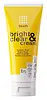
This brightening moisturizer is formulated around Niacinamide and Tranexamic Acid to fade the look of dark spots and brighten dull-looking skin.
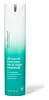
This brightening treatment is formulated around Hydroquinone and Kojic Acid to fade the look of dark spots and brighten dull-looking skin.

What's inside
What's inside
 Key Ingredients
Benefits
Concerns
Ingredients Side-by-side
Water
Skin ConditioningIsopropyl Palmitate
Emollient




Niacinamide
Smoothing











Propylene Glycol
Humectant
Tranexamic Acid
Astringent
Kojic Acid
Antioxidant

Azelaic Acid
Buffering
Glyceryl Stearate
Emollient
PEG-100 Stearate
Surfactant
Dimethicone
Emollient
Cetearyl Alcohol
Emollient

Phenoxyethanol
Preservative
Polysorbate 60
Emulsifying
Cetyl Alcohol
Emollient
Acrylates/C10-30 Alkyl Acrylate Crosspolymer
Emulsion StabilisingGlycerin
Humectant
Hydroxyethyl Acrylate/Sodium Acryloyldimethyl Taurate Copolymer
Emulsion StabilisingHydroxyethyl Urea
Humectant
Ethylhexylglycerin
Skin ConditioningDisodium EDTA
ChelatingHydroxyethylpiperazine Ethane Sulfonic Acid
BufferingPolysorbate 20
Emulsifying
Xanthan Gum
EmulsifyingSteareth-100
Gel FormingWater, Isopropyl Palmitate, Niacinamide, Propylene Glycol, Tranexamic Acid, Kojic Acid, Azelaic Acid, Glyceryl Stearate, PEG-100 Stearate, Dimethicone, Cetearyl Alcohol, Phenoxyethanol, Polysorbate 60, Cetyl Alcohol, Acrylates/C10-30 Alkyl Acrylate Crosspolymer, Glycerin, Hydroxyethyl Acrylate/Sodium Acryloyldimethyl Taurate Copolymer, Hydroxyethyl Urea, Ethylhexylglycerin, Disodium EDTA, Hydroxyethylpiperazine Ethane Sulfonic Acid, Polysorbate 20, Xanthan Gum, Steareth-100
Water
Skin ConditioningSimmondsia Chinensis Seed Oil
Emollient
Prunus Armeniaca Kernel Oil
Masking
Hydroquinone
Stabilising
Squalane
Emollient
Hyaluronic Acid
Humectant
Kojic Acid
Antioxidant
Retinol
Skin Conditioning

Alpha-Arbutin
Antioxidant
Saxifraga Sarmentosa Extract
Skin ConditioningVitis Vinifera Fruit Extract
Skin ConditioningMorus Bombycis Root Extract
Skin ConditioningScutellaria Baicalensis Root Extract
Astringent
Malva Sylvestris Extract
AstringentMentha Piperita Extract
CleansingPrimula Veris Extract
Skin ConditioningAlchemilla Vulgaris Extract
AstringentVeronica Officinalis Extract
Skin ConditioningMelissa Officinalis Leaf Extract
Skin ConditioningAchillea Millefolium Extract
CleansingTocopherol
Antioxidant
Centella Asiatica Leaf Extract
Skin Conditioning
Laureth-7
EmulsifyingC13-14 Isoparaffin
Emollient
Polyacrylamide
Phenoxyethanol
Preservative
Ethylhexylglycerin
Skin ConditioningWater, Simmondsia Chinensis Seed Oil, Prunus Armeniaca Kernel Oil, Hydroquinone, Squalane, Hyaluronic Acid, Kojic Acid, Retinol, Alpha-Arbutin, Saxifraga Sarmentosa Extract, Vitis Vinifera Fruit Extract, Morus Bombycis Root Extract, Scutellaria Baicalensis Root Extract, Malva Sylvestris Extract, Mentha Piperita Extract, Primula Veris Extract, Alchemilla Vulgaris Extract, Veronica Officinalis Extract, Melissa Officinalis Leaf Extract, Achillea Millefolium Extract, Tocopherol, Centella Asiatica Leaf Extract, Laureth-7, C13-14 Isoparaffin, Polyacrylamide, Phenoxyethanol, Ethylhexylglycerin
Ingredients Explained
These ingredients are found in both products.
Ingredients higher up in an ingredient list are typically present in a larger amount.
Ethylhexylglycerin is created from glycerin. It is a multitasker ingredient that:
The CIR Expert Panel found minimal skin absorption or sensitization of any kind in a safety assessment. Though this ingredient is considered well-tolerated, a small number of cases of allergic dermatitis have been published since 2002. Just be sure to patch test if you are unsure.
Industry-reported use ranges from 8% in rinse-off products and 2% in leave-on formulations.
Learn more about EthylhexylglycerinKojic Acid is a naturally occurring organic acid that is produced during the fermentation of certain fungi. It is one of the most well-studied brightening ingredients (tyrosinase inhibitors) out there.
That's why you'll see Kojic Acid in products that target dark spots, hyperpigmentation, and general uneven skin tone. It also pairs well with other brightening actives like Alpha Arbutin, Glycolic Acid, and Vitamin C derivatives.
By latching onto the copper that the enzyme tyrosinase needs to function, Kojic Acid prevents less pigment from being made. It's so well-established that researchers regularly use it as the go-to benchmark when testing new brightening ingredients.
Some other perks include documented antioxidant and antimicrobial properties. The The CIR (Cosmetic Ingredient Review) Expert Panel concluded Kojic Acid is safe for use in cosmetic products at concentrations up to 1% and the EU's SCCS (Scientific Committee on Consumer Safety) considers it safe as a skin lightening agent at concentrations up to 0.7%.
One thing to know about Kojic Acid is that stability is its weak spot; it is sensitive to light, heat, and air exposure and will oxidize/turn brown in formulations. Its derivative, Kojic Dipalmitate, was developed as a stable alternative.
Some individuals have reported contact sensitization so be sure to patch test if you have reactive or sensitive skin.
Fun fact: It was first discovered in 1907 and naturally occurs in the production of sake, soy sauce, and miso.
Learn more about Kojic AcidPhenoxyethanol is one of the most widely used preservatives in skincare (and for good reason!).
It has a large spectrum of antimicrobial activity and especially effective bacteria, yeast, and mold while only having a weak effect on your skin's natural microbiome.
On a cellular level, it disrupts the cell membranes of microbes by poking holes that make the cell leak. This shuts down the chemical reactions the microbe needs to make energy so it can no longer survive.
Another perk of this ingredient is that it stays functional across a wide pH range (3-10).
You'll often see it paired with boosters like Ethylhexylglycerin; one study showed that a 1:9 ratio of Ethylhexylglycerin to Phenoxyethanol damages bacterial membranes as effectively as doubling the Phenoxyethanol concentration on its own.
Typical use concentrations range from 0.3-1% depending on the formula, and this ingredient is capped at 1% int the EU.
Safety-wise, the fear mongering does not hold up to the evidence. The EU's Scientific Committee on Consumer Safety and FDA consider it safe as a preservative at up to 1%, including for children of all ages.
Adverse systemic effects only showed up in animal studies at exposures roughly 200x higher than what people get from cosmetics. And despite its very widespread use, this ingredient is a rare sensitizer and allergic reactions are uncommon.
Learn more about PhenoxyethanolWater. It's the most common cosmetic ingredient of all. You'll usually see it at the top of ingredient lists, meaning that it makes up the largest part of the product.
So why is it so popular? Water most often acts as a solvent - this means that it helps dissolve other ingredients into the formulation.
You'll also recognize water as that liquid we all need to stay alive. If you see this, drink a glass of water. Remember to stay hydrated!
Learn more about Water

