Torriden Cellmazing Pore Perfecting Ampoule Versus Hada Labo Gokujyun Premium Super Hyaluronic Lotion
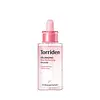
This pore-care ampoule is formulated around Niacinamide and Palmitoyl Tripeptide-5 to refine the look of pores and refine skin texture.
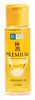
This hydrating toner is formulated around Sodium Hyaluronate to hydrate skin and strengthen the skin barrier.


What's inside
What's inside
 Key Ingredients
Benefits
Ingredients Side-by-side
Water
Skin ConditioningGlycerin
Humectant


Propanediol
Solvent
Butylene Glycol
Humectant
Dipropylene Glycol
HumectantNiacinamide
Smoothing









1,2-Hexanediol
Skin Conditioning
Methylpropanediol
SolventCollagen
Moisturising
Collagen Amino Acids
Moisturising
Collagen Extract
Skin Conditioning
Soluble Collagen
Humectant
Hydrolyzed Collagen
Emollient
Hexapeptide-2
Bleaching
Palmitoyl Tripeptide-5
Skin Conditioning
Panthenol
Skin Conditioning
Sodium Hyaluronate
Humectant
Adenosine
Skin Conditioning
Arginine
Masking
Xylitol
Humectant
Hydroxyethylcellulose
Emulsion StabilisingXanthan Gum
EmulsifyingAcrylates/C10-30 Alkyl Acrylate Crosspolymer
Emulsion StabilisingEthylhexylglycerin
Skin ConditioningBeta-Glucan
Skin Conditioning
Biotin
AntiseborrhoeicCapryloyl Salicylic Acid
Exfoliating
Gluconolactone
Skin Conditioning
Tocopherol
Antioxidant

Water, Glycerin, Propanediol, Butylene Glycol, Dipropylene Glycol, Niacinamide, 1,2-Hexanediol, Methylpropanediol, Collagen, Collagen Amino Acids, Collagen Extract, Soluble Collagen, Hydrolyzed Collagen, Hexapeptide-2, Palmitoyl Tripeptide-5, Panthenol, Sodium Hyaluronate, Adenosine, Arginine, Xylitol, Hydroxyethylcellulose, Xanthan Gum, Acrylates/C10-30 Alkyl Acrylate Crosspolymer, Ethylhexylglycerin, Beta-Glucan, Biotin, Capryloyl Salicylic Acid, Gluconolactone, Tocopherol
Water
Skin ConditioningButylene Glycol
Humectant
Pentylene Glycol
Skin Conditioning
PPG-10 Methyl Glucose Ether
Skin ConditioningDipropylene Glycol
HumectantDiglycerin
Humectant
Hydroxyethyl Urea
Humectant
Sorbitol
Humectant
Carbomer
Emulsion StabilisingPhenoxyethanol
Preservative
Glycosyl Trehalose
Emulsion StabilisingDisodium Succinate
MaskingPropanediol
Solvent
Sodium Hyaluronate
Humectant
Xylitylglucoside
Humectant
Hydrogenated Starch Hydrolysate
HumectantAnhydroxylitol
Humectant
Potassium Hydroxide
BufferingIsopentyldiol
Humectant
Disodium EDTA
Succinic Acid
BufferingXylitol
Humectant
Caprylhydroxamic Acid
Xanthan Gum
EmulsifyingPolyquaternium-51
Skin Conditioning
Hydrolyzed Hyaluronic Acid
Humectant
C12-13 Alkyl Glyceryl Hydrolyzed Hyaluronate
Sodium Acetylated Hyaluronate
Humectant
Hydrolyzed Sodium Hyaluronate
Skin Conditioning
Lactococcus/Hyaluronic Acid Ferment Filtrate
Hydroxypropyltrimonium Hyaluronate
Aphanothece Sacrum Exopolysaccharides
AbsorbentSodium Hyaluronate Crosspolymer
Humectant
Water, Butylene Glycol, Pentylene Glycol, PPG-10 Methyl Glucose Ether, Dipropylene Glycol, Diglycerin, Hydroxyethyl Urea, Sorbitol, Carbomer, Phenoxyethanol, Glycosyl Trehalose, Disodium Succinate, Propanediol, Sodium Hyaluronate, Xylitylglucoside, Hydrogenated Starch Hydrolysate, Anhydroxylitol, Potassium Hydroxide, Isopentyldiol, Disodium EDTA, Succinic Acid, Xylitol, Caprylhydroxamic Acid, Xanthan Gum, Polyquaternium-51, Hydrolyzed Hyaluronic Acid, C12-13 Alkyl Glyceryl Hydrolyzed Hyaluronate, Sodium Acetylated Hyaluronate, Hydrolyzed Sodium Hyaluronate, Lactococcus/Hyaluronic Acid Ferment Filtrate, Hydroxypropyltrimonium Hyaluronate, Aphanothece Sacrum Exopolysaccharides, Sodium Hyaluronate Crosspolymer
Reviews
Ingredients Explained
These ingredients are found in both products.
Ingredients higher up in an ingredient list are typically present in a larger amount.
Butylene Glycol (or BG) is used within cosmetic products for a few different reasons:
Overall, Butylene Glycol is a safe and well-rounded ingredient that works well with other ingredients.
Though this ingredient works well with most skin types, some people with sensitive skin may experience a reaction such as allergic rashes, closed comedones, or itchiness.
Learn more about Butylene GlycolDipropylene Glycol is a synthetically created humectant, stabilizer, and solvent.
This ingredient helps:
Dipropylene glycol is technically an alcohol, but it belongs to the glycol family (often considered part of the ‘good’ alcohols). This means it is hydrating and gentle on skin unlike drying solvent alcohols like denatured alcohol.
As a masking agent, Dipropylene Glycol can be used to cover the smell of other ingredients. However, it does not have a scent.
Studies show Dipropylene Glycol is considered safe to use in skincare.
Learn more about Dipropylene GlycolPropanediol is an all-star ingredient. It softens, hydrates, and smooths the skin.
It’s often used to:
Propanediol is not likely to cause sensitivity and considered safe to use. It is derived from corn or petroleum with a clear color and no scent.
Learn more about PropanediolSodium Hyaluronate is the salt form of hyaluronic acid. It is a long sugar chain that is naturally found in your skin, joints, and connective tissue that maintains hydration and elasticity.
In skincare, it works as a humectant. It pulls water from the environment and deeper layers of skin and binds it to the surface.
Interestingly, the size of the molecule affects its behavior:
Some clinical evidence links low molecular weight versions to improved wrinkle depth, elasticity, anti-inflammatory effects, and barrier repair.
Many serums use a blend of both weights so you can get surface hydration plus longer-lasting and deeper effects.
You'll typically see concentrations between 0.1-2% for this ingredient.
Learn more about Sodium HyaluronateWater. It's the most common cosmetic ingredient of all. You'll usually see it at the top of ingredient lists, meaning that it makes up the largest part of the product.
So why is it so popular? Water most often acts as a solvent - this means that it helps dissolve other ingredients into the formulation.
You'll also recognize water as that liquid we all need to stay alive. If you see this, drink a glass of water. Remember to stay hydrated!
Learn more about WaterXanthan gum is used as a stabilizer and thickener within cosmetic products. It helps give products a sticky, thick feeling - preventing them from being too runny.
On the technical side of things, xanthan gum is a polysaccharide - a combination consisting of multiple sugar molecules bonded together.
Xanthan gum is a pretty common and great ingredient. It is a natural, non-toxic, non-irritating ingredient that is also commonly used in food products.
Learn more about Xanthan GumXylitol is a humectant and prebiotic. It can help with dry skin.
In studies, xylitol has been shown to improve dry skin. It decreased transepidermal water loss, or when water passes through the skin and evaporates. Xylitol also showed to help improve the biomechanical properties of the skin barrier.
The prebiotic property of xylitol may also help reinforce our skin's natural microbiome. Having a healthy microbiome prevents infection by bad bacteria and helps with hydration.
As a humectant, Xylitol helps draw moisture from both the air and from deeper skin layers. This helps keep skin hydrated.
Xylitol is a sugar alcohol and commonly used as a sugar substitute. It is naturally occurring in plants such as strawberries and pumpkin.
Learn more about Xylitol

