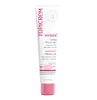
This moisturizer is formulated around Inositol to hydrate skin.
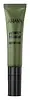
This anti-aging eye moisturizer is formulated around Glycolic Acid and Niacinamide to soften the look of wrinkles and refine skin texture.


What's inside
What's inside
 Key Ingredients
Benefits
Concerns
Ingredients Side-by-side
Water
Skin ConditioningGlycerin
Humectant


Coco-Caprylate/Caprate
Emollient
Propanediol
Solvent
Inositol
Humectant
Silica
Abrasive


1,2-Hexanediol
Skin Conditioning
Betaine
Humectant
Octyldodecyl PCA
EmollientTaurine
BufferingXylitylglucoside
Humectant
Maltodextrin
Absorbent
Ethylhexylglycerin
Skin ConditioningAnhydroxylitol
Humectant
Carbomer
Emulsion StabilisingCastanea Sativa Seed Extract
Skin ConditioningChlorphenesin
Antimicrobial
Parfum
Masking




Xylitol
Humectant
Xanthan Gum
EmulsifyingSodium Hydroxide
BufferingGlucose
Humectant
Biosaccharide Gum-4
Skin Conditioning
Tocopherol
Antioxidant





Water, Glycerin, Coco-Caprylate/Caprate, Propanediol, Inositol, Silica, 1,2-Hexanediol, Betaine, Octyldodecyl PCA, Taurine, Xylitylglucoside, Maltodextrin, Ethylhexylglycerin, Anhydroxylitol, Carbomer, Castanea Sativa Seed Extract, Chlorphenesin, Parfum, Xylitol, Xanthan Gum, Sodium Hydroxide, Glucose, Biosaccharide Gum-4, Tocopherol
Water
Skin ConditioningIsodecyl Isononanoate
EmollientCetearyl Alcohol
Emollient



Glycerin
Humectant
Caprylyl Methicone
Skin Conditioning
C14-22 Alcohols
Emulsion Stabilising
Hdi/Trimethylol Hexyllactone Crosspolymer
PEG-40 Stearate
Emulsifying
Stearyl Dimethicone
Emollient
Propanediol
Solvent
Phenoxyethanol
Preservative
Butylene Glycol
Humectant
Cetearyl Glucoside
Emulsifying
PEG-12 Dimethicone/PPG-20 Crosspolymer
Mica
Cosmetic ColorantC12-20 Alkyl Glucoside
EmulsifyingCI 77891
Cosmetic ColorantSilica
Abrasive
Sclerotium Gum
Emulsion StabilisingLysolecithin
EmulsifyingChlorphenesin
Antimicrobial
Xanthan Gum
EmulsifyingGlucose
Humectant
Glycolic Acid
Buffering


Ethyl Lauroyl Arginate Hcl
Skin ConditioningPotassium Sorbate
Preservative
Sodium Benzoate
Masking
Corn Starch Modified
AbsorbentSilanetriol
Potassium Citrate
BufferingZea Mays Starch
Absorbent
Citric Acid
Buffering
CI 16035
Cosmetic ColorantZea Mays Oil
Emulsifying
Tocopherol
Antioxidant
Ethylhexylglycerin
Skin ConditioningGlucosyl Hesperidin
HumectantPullulan
Aloe Barbadensis Leaf Juice
Skin Conditioning
Fraxinus Excelsior Bark Extract
Skin ConditioningAesculus Hippocastanum Extract
Antioxidant
Allantoin
Skin Conditioning
Fructose
Humectant
Niacinamide
Smoothing
Beta-Carotene
Skin ConditioningDunaliella Salina Extract
Skin ConditioningMaris Aqua
HumectantWater, Isodecyl Isononanoate, Cetearyl Alcohol, Glycerin, Caprylyl Methicone, C14-22 Alcohols, Hdi/Trimethylol Hexyllactone Crosspolymer, PEG-40 Stearate, Stearyl Dimethicone, Propanediol, Phenoxyethanol, Butylene Glycol, Cetearyl Glucoside, PEG-12 Dimethicone/PPG-20 Crosspolymer, Mica, C12-20 Alkyl Glucoside, CI 77891, Silica, Sclerotium Gum, Lysolecithin, Chlorphenesin, Xanthan Gum, Glucose, Glycolic Acid, Ethyl Lauroyl Arginate Hcl, Potassium Sorbate, Sodium Benzoate, Corn Starch Modified, Silanetriol, Potassium Citrate, Zea Mays Starch, Citric Acid, CI 16035, Zea Mays Oil, Tocopherol, Ethylhexylglycerin, Glucosyl Hesperidin, Pullulan, Aloe Barbadensis Leaf Juice, Fraxinus Excelsior Bark Extract, Aesculus Hippocastanum Extract, Allantoin, Fructose, Niacinamide, Beta-Carotene, Dunaliella Salina Extract, Maris Aqua
Reviews
Ingredients Explained
These ingredients are found in both products.
Ingredients higher up in an ingredient list are typically present in a larger amount.
Chlorphenesin is a synthetic preservative. It helps protect a product against bacteria in order to extend shelf life. In most cases, Chlorphenesin is paired with other preservatives such as phenoxyethanol and caprylyl glycol.
Chlorphenesin is a biocide. This means it is able to help fight the microorganisms on our skin. It is also able to fight odor-releasing bacteria.
Chlorphenesin is soluble in both water and glycerin.
Studies show Chlorphenesin is easily absorbed by our skin. You should speak with a skincare professional if you have concerns about using Chlorphenesin.
Learn more about ChlorphenesinEthylhexylglycerin is created from glycerin. It is a multitasker ingredient that:
The CIR Expert Panel found minimal skin absorption or sensitization of any kind in a safety assessment. Though this ingredient is considered well-tolerated, a small number of cases of allergic dermatitis have been published since 2002. Just be sure to patch test if you are unsure.
Industry-reported use ranges from 8% in rinse-off products and 2% in leave-on formulations.
Learn more about EthylhexylglycerinGlucose is a simple sugar (a monosaccharide). In skincare, it is mostly a humectant and skin conditioning agent.
Mechanistically, it has multiple hydroxyl groups that hydrogen-bond to water. This pulls moisture into the upper layers of skin to keep the surface soft and hydrated.
It's worth knowing sugars are already a natural component of the skin's NMF (natural moisturizing factor) so it's a molecule that your stratum corneum is well-acquainted with.
Just so you know, glucose is hydrophilic (water-loving) and the stratum corneum is a strong barrier to hydrophilic compounds. This just means penetration is slow and most of the action is happening on the surface.
Gram-to-gram, glucose is not as efficient as a humectant as glycerin. This is why you'll likely see glycose paired with stronger humectants for a bigger hydration payoff.
In skincare, glucose is typically derived from corn or other starch sources.
Learn more about GlucoseGlycerin (or glycerol) is a compound naturally found in your skin. It's a powerhouse humectant that pulls water into the stratum corneum.
Topically, glycerin does several things at once:
Your skin makes glycerin on its own (mostly from sebaceous oil breakdown) and shuttles it to your outermost layer of skin, or your epidermis, via aquaporin-3.
Aquaporin-3 is a transporter that is essential for normal skin hydration, elasticity, and repair. Interestingly, mice lacking in AQP3 have dry and less elastic skin that can be fully corrected with glycerin.
This ingredient is non-irritating, plays well with almost every ingredient, and works across all skin types. Typical use is anywhere between 3-10% but can go up to 79% in some leave-on products.
Just know very high concentrations (>40%) can feel tacky in low humidity.
Glycerin is the name for this ingredient in American English. British English uses Glycerol/Glycerine.
Learn more about GlycerinPropanediol is an all-star ingredient. It softens, hydrates, and smooths the skin.
It’s often used to:
Propanediol is not likely to cause sensitivity and considered safe to use. It is derived from corn or petroleum with a clear color and no scent.
Learn more about PropanediolSilica, also known as silicon dioxide, is a naturally occurring mineral. It is used as a fine, spherical, and porous powder in cosmetics.
Though it has exfoliant properties, the function of silica varies depending on the product.
The unique structure of silica enhances the spreadability and adds smoothness, making it a great texture enhancer.
It is also used as an active carrier, emulsifier, and mattifier due to its ability to absorb excess oil.
In some products, tiny microneedles called spicules are made from silica or hydrolyzed sponge. When you rub them in, they lightly polish away dead skin layers and enhance the penetration of active ingredients.
Learn more about SilicaTocopherol is a fat-soluble antioxidant known as Vitamin E.
You'll find this ingredient in the vast majority of skincare (for good reason). It works to neutralize free radicals, or unstable molecules generated by UV exposure, pollution, and other environmental stressors, before they can cause oxidative damage to your skin cells.
Topically applied tocopherol has been shown to protect against UV damage by ramping up the skin's own natural defense enzymes.
It also acts as a skin conditioning agent; some studies show that regular topical use can improve the skin's water-binding capacity over 2-4 weeks.
This ingredient is especially loved for being a team player. When combined with Vitamin C, the photoprotective effect of both ingredients roughly doubles and the combo also helps reduce UV-induced DNA damage.
This ingredient has some brightening potential but it's more of a prevention ingredient than spot-fader. Cell studies show it can slow down melanin production but it's worth noting that it's not the most powerful brightener out there.
In formulations, it also serves as a stabilizer that helps protect other oxidation-prone ingredients from degrading.
Concentrations usually range from 0.1-1% in most leave-on products.
Learn more about TocopherolWater. It's the most common cosmetic ingredient of all. You'll usually see it at the top of ingredient lists, meaning that it makes up the largest part of the product.
So why is it so popular? Water most often acts as a solvent - this means that it helps dissolve other ingredients into the formulation.
You'll also recognize water as that liquid we all need to stay alive. If you see this, drink a glass of water. Remember to stay hydrated!
Learn more about WaterXanthan gum is used as a stabilizer and thickener within cosmetic products. It helps give products a sticky, thick feeling - preventing them from being too runny.
On the technical side of things, xanthan gum is a polysaccharide - a combination consisting of multiple sugar molecules bonded together.
Xanthan gum is a pretty common and great ingredient. It is a natural, non-toxic, non-irritating ingredient that is also commonly used in food products.
Learn more about Xanthan Gum

