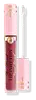
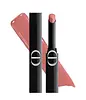
Too Faced Lip Injection Power Plumping Cream Liquid Lipstick Versus Dior Rouge Dior On Stage Lipstick


What's inside
What's inside
 Key Ingredients
Benefits
Concerns
Ingredients Side-by-side
Isododecane
EmollientHydrogenated Polyisobutene
EmollientPolyethylene
Abrasive

Diisostearyl Malate
EmollientDimethicone
Emollient

Bis-Diglyceryl Polyacyladipate-2
Emollient


Synthetic Fluorphlogopite
C18-36 Acid Triglyceride
EmollientDisteardimonium Hectorite
StabilisingDimethicone/Vinyl Dimethicone Crosspolymer
Skin Conditioning
Simmondsia Chinensis Seed Oil
Emollient

Ethylene/Propylene/Styrene Copolymer
Vanillyl Butyl Ether
MaskingPunica Granatum Flower Extract
Skin Conditioning
Polyglyceryl-3 Diisostearate
Emulsifying

Rosa Canina Fruit Extract
Astringent
Silica
Abrasive

Propylene Carbonate
SolventButylene/Ethylene/Styrene Copolymer
Parfum
Masking


Pentaerythrityl Tetra-Di-T-Butyl Hydroxyhydrocinnamate
Antioxidant
BHT
Antioxidant
CI 77891
Cosmetic ColorantCI 77491
Cosmetic ColorantCI 77492
Cosmetic ColorantCI 77499
Cosmetic ColorantCI 15850
Cosmetic ColorantCI 45410
Cosmetic ColorantCI 19140
Cosmetic ColorantCI 15985
Cosmetic ColorantIsododecane, Hydrogenated Polyisobutene, Polyethylene, Diisostearyl Malate, Dimethicone, Bis-Diglyceryl Polyacyladipate-2, Synthetic Fluorphlogopite, C18-36 Acid Triglyceride, Disteardimonium Hectorite, Dimethicone/Vinyl Dimethicone Crosspolymer, Simmondsia Chinensis Seed Oil, Ethylene/Propylene/Styrene Copolymer, Vanillyl Butyl Ether, Punica Granatum Flower Extract, Polyglyceryl-3 Diisostearate, Rosa Canina Fruit Extract, Silica, Propylene Carbonate, Butylene/Ethylene/Styrene Copolymer, Parfum, Pentaerythrityl Tetra-Di-T-Butyl Hydroxyhydrocinnamate, BHT, CI 77891, CI 77491, CI 77492, CI 77499, CI 15850, CI 45410, CI 19140, CI 15985
Trimethylsiloxyphenyl Dimethicone
Polyglyceryl-2 Isostearate/Dimer Dilinoleate Copolymer
EmollientC9-12 Alkane
SolventGlyceryl Hydrogenated Rosinate
Methyl Hydrogenated Rosinate
Perfuming
Dextrin Isostearate
Skin ConditioningIsododecane
EmollientSucrose Acetate Isobutyrate
Synthetic Wax
Abrasive
Cellulose
Absorbent
Bis-Hydroxypropyl Dimethicone/Smdi Copolymer
Emollient
Octyldodecanol
Emollient
Euphorbia Cerifera Cera
Astringent
Polyethylene
Abrasive
Parfum
Masking
Lecithin
Emollient
Simmondsia Chinensis Seed Oil
Emollient
Prunus Amygdalus Dulcis Oil
Skin Conditioning
Aluminum Hydroxide
EmollientSodium Myristoyl Glutamate
CleansingPunica Granatum Flower Extract
Skin Conditioning
Ethyl Vanillin
MaskingPentaerythrityl Tetra-Di-T-Butyl Hydroxyhydrocinnamate
Antioxidant
Synthetic Fluorphlogopite
Polyglyceryl-3 Diisostearate
Emulsifying
Ammonium Glycyrrhizate
MaskingDisteardimonium Hectorite
StabilisingVanillin
Masking
Propylene Carbonate
SolventCaprylic/Capric Triglyceride
Masking
Polyhydroxystearic Acid
Emulsifying
Linalyl Acetate
Masking
Terpineol
Masking
Isostearic Acid
Cleansing
Tin Oxide
Abrasive
Paeonia Officinalis Flower Extract
TonicPolyglyceryl-3 Polyricinoleate
Emulsifying
CI 77891
Cosmetic ColorantCI 77491
Cosmetic ColorantCI 77492
Cosmetic ColorantCI 77499
Cosmetic ColorantCI 15850
Cosmetic ColorantTrimethylsiloxyphenyl Dimethicone, Polyglyceryl-2 Isostearate/Dimer Dilinoleate Copolymer, C9-12 Alkane, Glyceryl Hydrogenated Rosinate, Methyl Hydrogenated Rosinate, Dextrin Isostearate, Isododecane, Sucrose Acetate Isobutyrate, Synthetic Wax, Cellulose, Bis-Hydroxypropyl Dimethicone/Smdi Copolymer, Octyldodecanol, Euphorbia Cerifera Cera, Polyethylene, Parfum, Lecithin, Simmondsia Chinensis Seed Oil, Prunus Amygdalus Dulcis Oil, Aluminum Hydroxide, Sodium Myristoyl Glutamate, Punica Granatum Flower Extract, Ethyl Vanillin, Pentaerythrityl Tetra-Di-T-Butyl Hydroxyhydrocinnamate, Synthetic Fluorphlogopite, Polyglyceryl-3 Diisostearate, Ammonium Glycyrrhizate, Disteardimonium Hectorite, Vanillin, Propylene Carbonate, Caprylic/Capric Triglyceride, Polyhydroxystearic Acid, Linalyl Acetate, Terpineol, Isostearic Acid, Tin Oxide, Paeonia Officinalis Flower Extract, Polyglyceryl-3 Polyricinoleate, CI 77891, CI 77491, CI 77492, CI 77499, CI 15850
Ingredients Explained
These ingredients are found in both products.
Ingredients higher up in an ingredient list are typically present in a larger amount.
Ci 15850 is the pigment color red. It is an azo dye and created synthetically.
Azo dyes need to be thoroughly purified before use. This allows them to be more stable and longer-lasting.
This ingredient is common in foundations, lipsticks, and blushes. This color is described as brown/orangey red.
It has many secondary names such as Red 6 and Red 7. According to a manufacturer, Red 6 usually contains aluminum.
Learn more about CI 15850Ci 77491 is also hydrated iron III oxide. It's sole purpose is to give a red/pink hue to products.
Iron III oxides are classified as inorganic chemicals for coloring.
Synthetically created Ci 77491 is considered safer than those naturally found. This is because the synthetically created version may contain less impurities. Iron oxides are generally non-toxic and non-allergenic.
Learn more about CI 77491CI 77492 is also hydrated iron III oxide. It's sole purpose is to give a yellow hue to products.
Iron III oxides are classified as inorganic chemicals for coloring.
Synthetically created CI 77492 is considered safer than those naturally found. This is because the synthetically created version may contain less impurities. Iron oxides are generally non-toxic and non-allergenic.
Learn more about CI 77492Ci 77499 is also hydrated iron III oxide. It is created from mixing red and black iron oxides. This helps give shades of darkness to a product.
Iron III oxides are classified as inorganic chemicals for coloring.
Ci 77891 is a white pigment from Titanium dioxide. It is naturally found in minerals such as rutile and ilmenite.
It's main function is to add a white color to cosmetics. It can also be mixed with other colors to create different shades.
Ci 77891 is commonly found in sunscreens due to its ability to block UV rays.
Learn more about CI 77891Disteardimonium Hectorite comes from the clay mineral named hectorite. It is used to add thickness to a product.
It can also help stabilize a product by helping to disperse other ingredients.
Hectorite is a rare, white clay mineral.
Learn more about Disteardimonium HectoriteIsododecane is a fragrance, emollient, and solvent.
As an emollient, it helps your skin stay soft and hydrated. Emollients help trap moisture into your skin.
Isododecane's role as a solvent makes it a great texture enhancer. It spreads smoothly on skin and does not leave a sticky feeling behind. Isododecane also helps prevent color transfer in makeup products.
Isododecane is not absorbed into skin.
The chemical name for this ingredient is 2,2,4,6,6-PENTAMETHYLHEPTANE.
Learn more about IsododecaneParfum is a catch-all term for an ingredient or more that is used to give a scent to products.
Also called "fragrance", this ingredient can be a blend of hundreds of chemicals or plant oils. This means every product with "fragrance" or "parfum" in the ingredients list is a different mixture.
For instance, Habanolide is a proprietary trade name for a specific aroma chemical. When used as a fragrance ingredient in cosmetics, most aroma chemicals fall under the broad labeling category of “FRAGRANCE” or “PARFUM” according to EU and US regulations.
The term 'parfum' or 'fragrance' is not regulated in many countries. In many cases, it is up to the brand to define this term.
For instance, many brands choose to label themselves as "fragrance-free" because they are not using synthetic fragrances. However, their products may still contain ingredients such as essential oils that are considered a fragrance by INCI standards.
One example is Calendula flower extract. Calendula is an essential oil that still imparts a scent or 'fragrance'.
Depending on the blend, the ingredients in the mixture can cause allergies and sensitivities on the skin. Some ingredients that are known EU allergens include linalool and citronellol.
Parfum can also be used to mask or cover an unpleasant scent.
The bottom line is: not all fragrances/parfum/ingredients are created equally. If you are worried about fragrances, we recommend taking a closer look at an ingredient. And of course, we always recommend speaking with a professional.
Learn more about ParfumPentaerythrityl Tetra-Di-T-Butyl Hydroxyhydrocinnamate (long name, huh?) is a synthetic antioxidant.
It is used to help stabilize other antioxidants or prevent the color from changing in a product.
As an antioxidant, it helps fight free-radical molecules. Free-radical molecules are capable of damaging our cells and other genetic material. Thus, antioxidants may reduce the signs of aging.
This ingredient is oil-soluble.
Learn more about Pentaerythrityl Tetra-Di-T-Butyl HydroxyhydrocinnamatePolyethylene is a synthetic ingredient that helps the skin retain moisture. It is a polymer.
It is also typically used within product formulations to help bind solid ingredients together and thicken oil-based ingredients. When added to balms and emulsions, it helps increase the melting point temperature.
Polyglyceryl-3 Diisostearate is a plant-derived, oil-soluble emulsifier. It keeps water-in-oil emulsions stable to prevent the ingredients from separating.
On the safety front, it's considered non-irritating and well-tolerated (it can even be found in formulations for baby skin).
This ingredient may not be fungal acne safe because research has shown that the Malassezia species can grow in the presence of fatty acid esters with chain lengths above C12 (and this one is C18).
While it does have a comedogenic rating of 4, the comedogenic rating scale was developed from rabbit ear models which has limited clinical relevance to human skin. Studies also show that comedogenic ingredients cannot predict how the overall formula will behave on human skin.
Learn more about Polyglyceryl-3 DiisostearateThis ingredient is a solvent. It helps dissolve active ingredients and alter the texture of products.
Propylene Carbonate is commonly used in makeup and with clay, such as montmorillonite or bentonite.
Studies show this ingredient to be safe for cosmetics. When it is undiluted, it can cause skin irritation. (It is always diluted in skincare and makeup). This ingredient is water-soluble.
Propylene Carbonate is created from propylene glycol and carbonic acid.
Learn more about Propylene CarbonatePomegranate flower extract has skin conditioning properties.
According to analysis of the flower, it is rich in the triterpenes ursolic acid and oleanolic acid.
Triterpenes are chemical compounds found in various plants such as pomegranates, apples, basil, and rosemary. They have been shown to have anti-inflammatory and antioxidant properties.
The flowers also contain gallic acid and ellagic acid, two types of polyphenols. They possess antioxidant, anti-inflammatory, and antimicrobial properties.
A study from 2017 found pomegranate flower to help heal scars and wounds in rats. Another study from 2020 found this ingredient to help decrease lip wrinkles and increase lip volume.
This ingredient also showed positive effects on dandruff removal in a study from 2015.
Learn more about Punica Granatum Flower ExtractJojoba oil is one of the most well-studied plant-derived ingredients in cosmetics. It is an emollient with a special structure.
Because it is made up of 97-98% wax esters, it closely mirrors the linear monoesters found in human sebum. This makes it skin compatible, non-greasy, and lightweight.
Unlike other plant oils, jojoba wax doesn't easily penetrate skin. It mostly works in the uppermost layers as an emollient. This just means it forms a light barrier on the skin to help retain moisture.
Formulations with jojoba esters up to 90% reduced transepidermal water loss (TEWL) and increased barrier recovery by 81% (outperforming bisabolol at 47%).
Besides barrier support, the science also suggests jojoba to have anti-inflammatory effects and potential applications for skin infections, aging, and wound healing.
Fun fact: Indigenous cultures have used jojoba as a moisturizer and to help treat burns for centuries.
Fungal acne: The Malassezia yeast is known to metabolize fatty acids in the C11-24 range and jojoba's dominant fatty acid components fall into this range. This ingredient may not be fungal acne safe.
Learn more about Simmondsia Chinensis Seed OilSynthetic Fluorphlogopite is the synthethic version of mica. It consists of fluorine, aluminum and silicate.
Synthetic Fluorphlogopite is used to add volume to products.
It is considered non-irritating on the skin.
Learn more about Synthetic Fluorphlogopite

