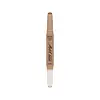
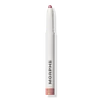
Too Cool For School Artclass By Rodin Dual Contour Stick Versus Morphe Shapelifter Micro Contour Stick


What's inside
What's inside
 Key Ingredients
Benefits
Concerns
Ingredients Side-by-side
Isononyl Isononanoate
EmollientSynthetic Wax
Abrasive

Mica
Cosmetic ColorantSilica
Abrasive

Titanium Dioxide
Cosmetic Colorant

Dimethicone
Emollient

Paraffin
Skin Conditioning
Vinyl Dimethicone/Methicone Silsesquioxane Crosspolymer
Vp/Hexadecene Copolymer
Zinc Stearate
Cosmetic ColorantMicrocrystalline Wax
Emulsion StabilisingCI 77492
Cosmetic ColorantPhenyl Trimethicone
Skin Conditioning
CI 77499
Cosmetic ColorantPolyhydroxystearic Acid
Emulsifying

CI 77491
Cosmetic ColorantLecithin
Emollient

Isostearic Acid
Cleansing

Isopropyl Myristate
Emollient
Polyglyceryl-3 Polyricinoleate
Emulsifying
Glyceryl Caprylate
EmollientCaprylyl Glycol
Emollient
Synthetic Fluorphlogopite
Ceresin
Emulsion StabilisingMethyl Methacrylate Crosspolymer
Hydrogenated Vegetable Oil
Emollient
Euphorbia Cerifera Wax
Octyldodecanol
Emollient
Disteardimonium Hectorite
StabilisingTriethoxycaprylylsilane
Propylene Carbonate
SolventBHT
Antioxidant
Isononyl Isononanoate, Synthetic Wax, Mica, Silica, Titanium Dioxide, Dimethicone, Paraffin, Vinyl Dimethicone/Methicone Silsesquioxane Crosspolymer, Vp/Hexadecene Copolymer, Zinc Stearate, Microcrystalline Wax, CI 77492, Phenyl Trimethicone, CI 77499, Polyhydroxystearic Acid, CI 77491, Lecithin, Isostearic Acid, Isopropyl Myristate, Polyglyceryl-3 Polyricinoleate, Glyceryl Caprylate, Caprylyl Glycol, Synthetic Fluorphlogopite, Ceresin, Methyl Methacrylate Crosspolymer, Hydrogenated Vegetable Oil, Euphorbia Cerifera Wax, Octyldodecanol, Disteardimonium Hectorite, Triethoxycaprylylsilane, Propylene Carbonate, BHT
Isononyl Isononanoate
EmollientTriethylhexanoin
MaskingSilica
Abrasive
Dimethicone
Emollient
Synthetic Wax
Abrasive
Octyldodecanol
Emollient
Dimethicone Crosspolymer
Emulsion Stabilising
Microcrystalline Wax
Emulsion StabilisingCaprylyl Glycol
Emollient
Hydroxyacetophenone
Antioxidant
Polyhydroxystearic Acid
Emulsifying
Triethoxycaprylylsilane
Tocopheryl Acetate
Antioxidant

CI 77891
Cosmetic ColorantCI 77491
Cosmetic ColorantCI 77492
Cosmetic ColorantCI 77499
Cosmetic ColorantCI 15850
Cosmetic Colorant
Reviews
Ingredients Explained
These ingredients are found in both products.
Ingredients higher up in an ingredient list are typically present in a larger amount.
Caprylyl Glycol is a humectant, skin conditioner, emollient, and preservative booster derived from either caprylic acid or synthetically created.
Typical use levels vary from 0.3-1% as a preservative booster and go up to 2% to condition skin.
Because it is not a free-fatty acid, this ingredient is fungal acne safe (there's nothing for Malassezia to feed on).
Learn more about Caprylyl GlycolCi 77491 is also hydrated iron III oxide. It's sole purpose is to give a red/pink hue to products.
Iron III oxides are classified as inorganic chemicals for coloring.
Synthetically created Ci 77491 is considered safer than those naturally found. This is because the synthetically created version may contain less impurities. Iron oxides are generally non-toxic and non-allergenic.
Learn more about CI 77491CI 77492 is also hydrated iron III oxide. It's sole purpose is to give a yellow hue to products.
Iron III oxides are classified as inorganic chemicals for coloring.
Synthetically created CI 77492 is considered safer than those naturally found. This is because the synthetically created version may contain less impurities. Iron oxides are generally non-toxic and non-allergenic.
Learn more about CI 77492Ci 77499 is also hydrated iron III oxide. It is created from mixing red and black iron oxides. This helps give shades of darkness to a product.
Iron III oxides are classified as inorganic chemicals for coloring.
Dimethicone is a type of synthetic silicone created from natural materials such as quartz. It is also known as polydimethylsiloxane.
What it does:
Dimethicone comes in different viscosities:
Depending on the viscosity, dimethicone has different properties.
Ingredients lists don't always show which type is used, so we recommend reaching out to the brand if you have questions about the viscosity.
This ingredient is unlikely to cause irritation because it does not get absorbed into skin. However, people with silicone allergies should be careful about using this ingredient.
Note: Dimethicone may contribute to pilling. This is because it is not oil or water soluble, so pilling may occur when layered with products. When mixed with heavy oils in a formula, the outcome is also quite greasy.
Learn more about DimethiconeIsononyl Isononanoate is a synthetic skin-conditioner and texture enhancer. It is created from nonanoic acid, a fatty acid found in cocoa and lavender oil.
As an emollient, Isononyl Isononanoate helps keep your skin soft and smooth. This is because emollients create a barrier on the skin to trap moisture in.
Isononyl Isononanoate helps give products a velvet feel and improves spreadability.
Learn more about Isononyl IsononanoateMicrocrystalline Wax is derived from petroleum through a de-oiling process, then highly refined and purified before use in cosmetics.
In skincare formulations, it is used to improve texture and create a smooth, even consistency. It also helps stabilize products by preventing ingredients from separating.
Octyldodecanol is a fatty alcohol sourced from plant oils like coconut or palm (or made synthetically).
It is:
You'll likely see this in many BHA products because this is the go-to solvent for salicylic acid.
This ingredient is typically used at levels between 2-20%.
Regarding fungal acne:
In 2019, this ingredient was tested against multiple Malassezia species (the yeast that causes fungal acne) and showed no growth.
Polyhydroxystearic Acid is a vegetable-derived soft wax made from castor oil. It's an emulsion stabilizer, thickener, and film former.
You'll likely see it in sunscreens because it helps disperse pigments and UV-reflecting minerals like titanium dioxide and zinc oxide evenly.
Depending on the concentration, it can drastically change the texture of a product from pasty solid (like lipstick) to sprayable liquid.
The CIR Expert Panel for Cosmetic Ingredient Safety has concluded this ingredient to be safe in cosmetics. The highest reported use concentration is 14.2% in lipsticks.
Learn more about Polyhydroxystearic AcidSilica, also known as silicon dioxide, is a naturally occurring mineral. It is used as a fine, spherical, and porous powder in cosmetics.
Though it has exfoliant properties, the function of silica varies depending on the product.
The unique structure of silica enhances the spreadability and adds smoothness, making it a great texture enhancer.
It is also used as an active carrier, emulsifier, and mattifier due to its ability to absorb excess oil.
In some products, tiny microneedles called spicules are made from silica or hydrolyzed sponge. When you rub them in, they lightly polish away dead skin layers and enhance the penetration of active ingredients.
Learn more about SilicaSynthetic Wax is a manufactured hydrocarbon wax. In formulas, it works as an occlusive emollient that helps reduce water loss and improves the spreadability of products.
Research comparing synthetic wax to traditional mineral-derived products found that formulas containing it perform as well for skin hydration.
It is considered non-comedogenic and vegan-friendly.
This ingredient has a well-established safety record by the CIR Expert Panel for Cosmetic Ingredient Safety.
Synthetic Waxes are straight/branched-chain hydrocarbons with no ester bond or fatty acids. That means there is nothing for the Malassezia yeast to feed on.
Learn more about Synthetic WaxTriethoxycaprylylsilane is a silicon-based surface modifier that makes sunscreens feel silky and makeup stay put.
Its main job is to coat mineral particles like titanium dioxide, zinc oxide, and color pigments in a thin, oily layer so they spread smoothly, don't clump, and stick to skin better.
This ingredient is typically used at low levels (up to 2.5% in eyeshadow and 1% in lipstick).
Learn more about Triethoxycaprylylsilane

