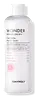
This barrier-repair toner is formulated around Centella Asiatica Extract and Panthenol to strengthen the skin barrier and hydrate skin.
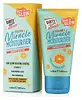
This brightening moisturizer is formulated around Panthenol and Sodium Ascorbyl Phosphate to brighten dull-looking skin and hydrate skin.


What's inside
What's inside
 Key Ingredients
Benefits
Concerns
Ingredients Side-by-side
Water
Skin ConditioningDipropylene Glycol
HumectantGlycerin
Humectant


Pentaerythrityl Tetraisostearate
Emollient

Glycereth-26
Humectant
1,2-Hexanediol
Skin Conditioning
Macadamia Ternifolia Seed Oil
Emollient
Phenyl Trimethicone
Skin Conditioning
Hydroxyethyl Acrylate/Sodium Acryloyldimethyl Taurate Copolymer
Emulsion StabilisingStyrene/Vp Copolymer
Ethylhexylglycerin
Skin ConditioningCentella Asiatica Extract
Cleansing



Acrylates/C10-30 Alkyl Acrylate Crosspolymer
Emulsion StabilisingTromethamine
BufferingCaprylic/Capric Triglyceride
Masking
Allantoin
Skin Conditioning
Hydrogenated Lecithin
Emulsifying
Propanediol
Solvent
Panthenol
Skin Conditioning
Phytosteryl/Octyldodecyl Lauroyl Glutamate
Skin ConditioningCeramide NP
Skin Conditioning
Sodium Hyaluronate
Humectant
Aniba Rosodora Wood Oil
Astringent
Citrus Limon Peel Oil
Masking





Disodium EDTA
Linalool
Perfuming
Limonene
Perfuming
Water, Dipropylene Glycol, Glycerin, Pentaerythrityl Tetraisostearate, Glycereth-26, 1,2-Hexanediol, Macadamia Ternifolia Seed Oil, Phenyl Trimethicone, Hydroxyethyl Acrylate/Sodium Acryloyldimethyl Taurate Copolymer, Styrene/Vp Copolymer, Ethylhexylglycerin, Centella Asiatica Extract, Acrylates/C10-30 Alkyl Acrylate Crosspolymer, Tromethamine, Caprylic/Capric Triglyceride, Allantoin, Hydrogenated Lecithin, Propanediol, Panthenol, Phytosteryl/Octyldodecyl Lauroyl Glutamate, Ceramide NP, Sodium Hyaluronate, Aniba Rosodora Wood Oil, Citrus Limon Peel Oil, Disodium EDTA, Linalool, Limonene
Water
Skin ConditioningCaprylic/Capric Triglyceride
Masking
Cetearyl Isononanoate
Emollient
Cetyl Alcohol
Emollient
Butylene Glycol
Humectant
Glyceryl Stearate
Emollient
Cyclopentasiloxane
Emollient
Dimethicone
Emollient
Phenoxyethanol
Preservative
PEG-100 Stearate
Surfactant
Parfum
Masking
Hydroxyacetophenone
Antioxidant
Panthenol
Skin Conditioning
Sodium Polyacrylate
Absorbent
Sodium Stearoyl Glutamate
CleansingAcrylates/Vinyl Isodecanoate Crosspolymer
Emulsion StabilisingDimethiconol
Emollient
Sodium Ascorbyl Phosphate
Antioxidant


Disodium EDTA
Ethylhexylglycerin
Skin ConditioningLimonene
Perfuming
Sodium Hydroxide
BufferingTocopheryl Acetate
Antioxidant
Citric Acid
Buffering
Sodium Hyaluronate
Humectant
Linalool
Perfuming
Mica
Cosmetic ColorantCI 77891
Cosmetic ColorantWater, Caprylic/Capric Triglyceride, Cetearyl Isononanoate, Cetyl Alcohol, Butylene Glycol, Glyceryl Stearate, Cyclopentasiloxane, Dimethicone, Phenoxyethanol, PEG-100 Stearate, Parfum, Hydroxyacetophenone, Panthenol, Sodium Polyacrylate, Sodium Stearoyl Glutamate, Acrylates/Vinyl Isodecanoate Crosspolymer, Dimethiconol, Sodium Ascorbyl Phosphate, Disodium EDTA, Ethylhexylglycerin, Limonene, Sodium Hydroxide, Tocopheryl Acetate, Citric Acid, Sodium Hyaluronate, Linalool, Mica, CI 77891
Reviews
Ingredients Explained
These ingredients are found in both products.
Ingredients higher up in an ingredient list are typically present in a larger amount.
Caprylic/Capric Triglyceride (aka MCT Oil) is a lightweight emollient, solvent, and texture enhancer. It is considered a skin-softener by helping to prevent moisture loss.
Though it behaves like an oil, it is not technically one due to its chemical composition. One perk of this ingredient is that it is very stable, resistant to oxidation, and unlikely to go rancid.
In practice, that translates to a long shelf life and a consistently elegant skin feel.
While there is an assumption Caprylic Triglyceride can clog pores due to it being derived from coconut oil, there is no research supporting this. Just patch test if you have concerns.
Fractionated coconut oil and MCT Oil are both listed as Caprylic/Capric Triglyceride according to INCI. This is because INCI names are based on the ingredient’s final chemical composition and not its marketing name or source.
This ingredient is treated as the gold standard fungal acne safe oil. Even though it is coconut derived, the problematic lauric acid is stripped out.
This leaves just caprylic (C8) and capric (C10) acid. These chain lengths actually trend antifungal; a 2020 study found caprylic acid was enough to disrupt Malassezia furfur cell membrane, with a caprylic acid derivative damaging membrane structures at concentrations as low as 0.2%.
Learn more about Caprylic/Capric TriglycerideDisodium EDTA is a chelating agent. It grabs onto and deactivates metal ions that sneak into your products from water, packaging, or air.
This ingredient mainly works behind the scenes and helps with:
On top of that, this ingredient can counteract the effects of hard water by binding to the minerals in it.
One thing worth knowing is that Disodium EDTA has been shown to be a mild penetration enhancer. It can help other ingredients absorb into skin more effectively which can be a double-edged sword (great for actives, but can also make the active too strong if you have sensitive skin).
Clinical patch testing showed no significant skin irritation at typical use concentrations and minimal dermal absorption.
You'll most likely see this ingredient near the end of an ingredient list. It's typically found in concentrations less than 1%.
Learn more about Disodium EDTAEthylhexylglycerin is created from glycerin. It is a multitasker ingredient that:
The CIR Expert Panel found minimal skin absorption or sensitization of any kind in a safety assessment. Though this ingredient is considered well-tolerated, a small number of cases of allergic dermatitis have been published since 2002. Just be sure to patch test if you are unsure.
Industry-reported use ranges from 8% in rinse-off products and 2% in leave-on formulations.
Learn more about EthylhexylglycerinLimonene is a fragrance that adds scent and taste to a formulation.
It's found in the peel oil of citrus fruits and other plants such as lavender and eucalyptus. The scent of limonene is generally described as "sweet citrus".
Limonene acts as an antioxidant, meaning it helps neutralize free radicals.
When exposed to air, oxidized limonene may sensitize the skin. Because of this, limonene is often avoided by people with sensitive skin.
The term 'fragrance' is not regulated in many countries. In many cases, it is up to the brand to define this term. For instance, many brands choose to label themselves as "fragrance-free" because they are not using synthetic fragrances. However, their products may still contain ingredients such as essential oils that are considered a fragrance.
Learn more about LimoneneLinalool is a fragrance and helps add scent to products. It's derived from common plants such as cinnamon, mint, citrus, and lavender.
Like Limonene, this ingredient oxidizes when exposed to air. Oxidized linalool can cause allergies and skin sensitivity.
This ingredient has a scent that is floral, spicy tropical, and citrus-like.
Learn more about LinaloolPanthenol is a common ingredient that helps hydrate and soothe the skin. It is found naturally in our skin and hair.
There are two forms of panthenol: D and L.
D-panthenol is also known as dexpanthenol. Most cosmetics use dexpanthenol or a mixture of D and L-panthenol.
Panthenol is famous due to its ability to go deeper into the skin's layers. Using this ingredient has numerous pros (and no cons):
Like hyaluronic acid, panthenol is a humectant. Humectants are able to bind and hold large amounts of water to keep skin hydrated.
This ingredient works well for wound healing. It works by increasing tissue in the wound and helps close open wounds.
Once oxidized, panthenol converts to pantothenic acid. Panthothenic acid is found in all living cells.
This ingredient is also referred to as pro-vitamin B5.
Learn more about PanthenolSodium Hyaluronate is the salt form of hyaluronic acid. It is a long sugar chain that is naturally found in your skin, joints, and connective tissue that maintains hydration and elasticity.
In skincare, it works as a humectant. It pulls water from the environment and deeper layers of skin and binds it to the surface.
Interestingly, the size of the molecule affects its behavior:
Some clinical evidence links low molecular weight versions to improved wrinkle depth, elasticity, anti-inflammatory effects, and barrier repair.
Many serums use a blend of both weights so you can get surface hydration plus longer-lasting and deeper effects.
You'll typically see concentrations between 0.1-2% for this ingredient.
Learn more about Sodium HyaluronateWater. It's the most common cosmetic ingredient of all. You'll usually see it at the top of ingredient lists, meaning that it makes up the largest part of the product.
So why is it so popular? Water most often acts as a solvent - this means that it helps dissolve other ingredients into the formulation.
You'll also recognize water as that liquid we all need to stay alive. If you see this, drink a glass of water. Remember to stay hydrated!
Learn more about Water

