This oil-based makeup remover is made to dissolve makeup, sunscreen, and daily buildup.
This oil-based makeup remover is made to dissolve makeup, sunscreen, and daily buildup.

What's inside
What's inside
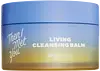 Key Ingredients
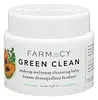
Benefits
Concerns
Ingredients Side-by-side
Olea Europaea Fruit Oil
Masking






Vitis Vinifera Seed Oil
Emollient
Cetyl Ethylhexanoate
EmollientPEG-20 Glyceryl Triisostearate
Emollient
PEG-8 Isostearate
Emulsifying
Cera Microcristallina
Emulsion StabilisingHippophae Rhamnoides Oil
Emollient
Ceresin
Emulsion StabilisingSynthetic Wax
Abrasive

Orbignya Oleifera Seed Oil
Emollient
Diospyros Kaki Fruit Extract
Skin ConditioningAniba Rosodora Wood Oil
Astringent
Citrus Paradisi Peel Oil
Masking


Rosmarinus Officinalis Leaf Oil
Masking
Tocopheryl Acetate
Antioxidant


1,2-Hexanediol
Skin Conditioning
Bis-Diglyceryl Polyacyladipate-2
Emollient
Ethylene/Propylene Copolymer
Abrasive
Limonene
Perfuming
Olea Europaea Fruit Oil, Vitis Vinifera Seed Oil, Cetyl Ethylhexanoate, PEG-20 Glyceryl Triisostearate, PEG-8 Isostearate, Cera Microcristallina, Hippophae Rhamnoides Oil, Ceresin, Synthetic Wax, Orbignya Oleifera Seed Oil, Diospyros Kaki Fruit Extract, Aniba Rosodora Wood Oil, Citrus Paradisi Peel Oil, Rosmarinus Officinalis Leaf Oil, Tocopheryl Acetate, 1,2-Hexanediol, Bis-Diglyceryl Polyacyladipate-2, Ethylene/Propylene Copolymer, Limonene
Cetyl Ethylhexanoate
EmollientCaprylic/Capric Triglyceride
Masking
PEG-20 Glyceryl Triisostearate
Emollient
PEG-10 Isostearate
Emulsifying
Polyethylene
Abrasive
Echinacea Purpurea Root Extract
MoisturisingCarica Papaya Fruit Extract
Skin ConditioningMoringa Oleifera Seed Extract
Skin Conditioning
Moringa Oleifera Seed Oil
Emollient
Zingiber Officinale Root Oil
Masking
Helianthus Annuus Seed Oil
Emollient
Sorbitan Sesquioleate
Emulsifying
Citrus Aurantifolia Oil
Cleansing
Citrus Aurantium Bergamia Fruit Oil
Masking
Glycerin
Humectant
Melia Azadirachta Leaf Extract
Skin ConditioningMelia Azadirachta Flower Extract
Skin ConditioningCorallina Officinalis Extract
Skin Conditioning
Citrus Aurantium Dulcis Peel Oil
Masking
Amber Powder
Cananga Odorata Flower Oil
Masking
Coccinia Indica Fruit Extract
Skin Conditioning
Solanum Melongena Fruit Extract
Skin ConditioningCurcuma Longa Root Extract
Antioxidant
Ocimum Sanctum Leaf Extract
Skin ConditioningWater
Skin ConditioningButylene Glycol
Humectant
Disodium Phosphate
BufferingCitric Acid
Buffering
Phenoxyethanol
Preservative
Citral
Perfuming
Limonene
Perfuming
Linalool
Perfuming
Cetyl Ethylhexanoate, Caprylic/Capric Triglyceride, PEG-20 Glyceryl Triisostearate, PEG-10 Isostearate, Polyethylene, Echinacea Purpurea Root Extract, Carica Papaya Fruit Extract, Moringa Oleifera Seed Extract, Moringa Oleifera Seed Oil, Zingiber Officinale Root Oil, Helianthus Annuus Seed Oil, Sorbitan Sesquioleate, Citrus Aurantifolia Oil, Citrus Aurantium Bergamia Fruit Oil, Glycerin, Melia Azadirachta Leaf Extract, Melia Azadirachta Flower Extract, Corallina Officinalis Extract, Citrus Aurantium Dulcis Peel Oil, Amber Powder, Cananga Odorata Flower Oil, Coccinia Indica Fruit Extract, Solanum Melongena Fruit Extract, Curcuma Longa Root Extract, Ocimum Sanctum Leaf Extract, Water, Butylene Glycol, Disodium Phosphate, Citric Acid, Phenoxyethanol, Citral, Limonene, Linalool
Reviews
Ingredients Explained
These ingredients are found in both products.
Ingredients higher up in an ingredient list are typically present in a larger amount.
Cetyl Ethylhexanoate is an emollient ester. It comes from cetearyl alcohol and 2-ethylhexanoic acid.
Cetyl Ethylhexanoate is an emollient that adds a velvety feel to skin without being greasy or oily. Emollients help trap moisture into your skin, keeping your skin soft and hydrated.
Limonene is the compound that gives citrus peel its smell.
In skincare, it shows up as a standalone fragrance ingredient or as a natural compound of citrus and other essential oils.
You'll typically see this ingredient used in very small amounts; anything above 0.001% in a leave-on product or 0.01% in a rinse-off has to be named on the label in the EU. The citrus oils that carry it sit around 0.5-1% in a finished formula.
Fresh limonene is a weak allergen; the real issue is that it slowly reacts with air and then breaks down from oxidation to create hydroperoxides (which are strong sensitizers). This is why suppliers are required to keep the peroxide value below 20 mmol.
Positive reactions in people being investigated for eczema vary:
It's worth skipping if you have a known fragrance allergy or a compromised barrier, but the risk is low for most people.
Older or long-opened products are also more likely to bother you than fresh ones due to oxidation.
Learn more about LimonenePEG-20 Glyceryl Triisostearate is a synthetic, oil-loving helper ingredient that does two jobs:
This ingredient is made by joining three building blocks: PEG, Isostearic Acid and glycerin. The PEG gives it the oil-and-water blending power.
This ingredient has been found safe for use in cosmetics and broader PEG family testing shows minimal irritation/sensitization. The molecule's large size also means it isn't expected to penetrate skin to any meaningful degree.
Fungal acne note: This ingredient may not be fungal acne safe due to isostearic acid (C18). Isostearic acid falls into the C11-24 range that Malassezia can feed on.
Learn more about PEG-20 Glyceryl Triisostearate

