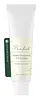
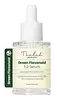
THE LAB by blanc doux Green Flavonoid 3.0 Cream Versus THE LAB by blanc doux Green Flavonoid 5.0 Serum
This calming moisturizer is formulated around Panthenol to calm redness and strengthen the skin barrier.
This serum is formulated around Capryloyl Salicylic Acid to fight breakouts and control oil.

What's inside
What's inside
 Key Ingredients
Benefits
Concerns
Ingredients Side-by-side
Water
Skin ConditioningGlycerin
Humectant


Butylene Glycol
Humectant
Cetyl Ethylhexanoate
EmollientDicaprylyl Ether
Emollient
1,2-Hexanediol
Skin Conditioning
Propanediol
Solvent
Pentylene Glycol
Skin Conditioning
Citrus Unshiu Peel Extract
MaskingGlucosyl Hesperidin
HumectantSqualane
Emollient
Chlorella Vulgaris Extract
Skin ConditioningPanthenol
Skin Conditioning

Fructooligosaccharides
Humectant
Fructose
Humectant
Allantoin
Skin Conditioning
Hydrogenated Polydecene
EmollientPolymethylsilsesquioxane

Sodium Polyacrylate
Absorbent
Acrylates/C10-30 Alkyl Acrylate Crosspolymer
Emulsion StabilisingGlucose
Humectant
Tromethamine
BufferingOryza Sativa Bran Wax
Skin Conditioning

Glycine Soja Seed Extract
Skin Conditioning
Dipotassium Glycyrrhizate
Humectant
Ethylhexylglycerin
Skin ConditioningGlyceryl Acrylate/Acrylic Acid Copolymer
HumectantSodium Phytate
Tocopherol
Antioxidant


Octanediol
Sodium Polyacrylate Starch
AbsorbentXanthan Gum
EmulsifyingPolyglyceryl-3 Methylglucose Distearate
Emulsifying
Glyceryl Stearate
Emollient
Water, Glycerin, Butylene Glycol, Cetyl Ethylhexanoate, Dicaprylyl Ether, 1,2-Hexanediol, Propanediol, Pentylene Glycol, Citrus Unshiu Peel Extract, Glucosyl Hesperidin, Squalane, Chlorella Vulgaris Extract, Panthenol, Fructooligosaccharides, Fructose, Allantoin, Hydrogenated Polydecene, Polymethylsilsesquioxane, Sodium Polyacrylate, Acrylates/C10-30 Alkyl Acrylate Crosspolymer, Glucose, Tromethamine, Oryza Sativa Bran Wax, Glycine Soja Seed Extract, Dipotassium Glycyrrhizate, Ethylhexylglycerin, Glyceryl Acrylate/Acrylic Acid Copolymer, Sodium Phytate, Tocopherol, Octanediol, Sodium Polyacrylate Starch, Xanthan Gum, Polyglyceryl-3 Methylglucose Distearate, Glyceryl Stearate
Water
Skin ConditioningDipropylene Glycol
HumectantGlycerin
Humectant
Propanediol
Solvent
1,2-Hexanediol
Skin Conditioning
Pentylene Glycol
Skin Conditioning
Acrylates/C10-30 Alkyl Acrylate Crosspolymer
Emulsion StabilisingPolyglyceryl-10 Laurate
Skin Conditioning
Polyglycerin-3
Humectant
Tromethamine
BufferingCapryloyl Salicylic Acid
Exfoliating



Sodium Citrate
BufferingGlucosyl Hesperidin
HumectantCitrus Unshiu Peel Extract
MaskingDiethoxyethyl Succinate
SolventSodium Phytate
Panthenol
Skin Conditioning
Xanthan Gum
EmulsifyingHydrogenated Lecithin
Emulsifying
Cetearyl Olivate
Sorbitan Olivate
Emulsifying
Glyceryl Acrylate/Acrylic Acid Copolymer
HumectantPvm/Ma Copolymer
Emulsion StabilisingSodium Hyaluronate
Humectant
Water, Dipropylene Glycol, Glycerin, Propanediol, 1,2-Hexanediol, Pentylene Glycol, Acrylates/C10-30 Alkyl Acrylate Crosspolymer, Polyglyceryl-10 Laurate, Polyglycerin-3, Tromethamine, Capryloyl Salicylic Acid, Sodium Citrate, Glucosyl Hesperidin, Citrus Unshiu Peel Extract, Diethoxyethyl Succinate, Sodium Phytate, Panthenol, Xanthan Gum, Hydrogenated Lecithin, Cetearyl Olivate, Sorbitan Olivate, Glyceryl Acrylate/Acrylic Acid Copolymer, Pvm/Ma Copolymer, Sodium Hyaluronate
Ingredients Explained
These ingredients are found in both products.
Ingredients higher up in an ingredient list are typically present in a larger amount.
1,2-Hexanediol is a synthetic liquid and another multi-functional powerhouse.
It is a:
- Humectant, drawing moisture into the skin
- Emollient, helping to soften skin
- Solvent, dispersing and stabilizing formulas
- Preservative booster, enhancing the antimicrobial activity of other preservatives
Acrylates/C10-30 Alkyl Acrylate Crosspolymer is a synthetic polymer. It is used to thicken, emulsify, and improve the texture of products.
As an emulsifier, it helps stabilize oil-in-water emulsions to give products an elegant feel when applied.
It can also form a thin protective film on skin. One study found that a formula using this polymer helped slow down how quickly other ingredients (like DEET) were absorbed through skin.
A 2024 study of over 1,300 patients confirmed that sensitization to this ingredient is rare. It is also non-mutagenic and has a clean track record.
Learn more about Acrylates/C10-30 Alkyl Acrylate CrosspolymerThis ingredient comes from the peel of the satsuma mandarin fruit native to Japan.
Unlike other citrus ingredients, this one is not known to cause photosensitivity. This is because the citrus ingredients that cause sensitivity are high in furanocoumarins. When exposed to UV, furocoumarins bind to and destabilize your DNA, speeding up the rate of sunburn.
Citrus Unshiu Peel Extract is unique in that the peel contains very low levels of furanocoumarins and tested products with this ingredient confirmed no detectable furanocoumarins.
The peel is rich in antioxidants and lab studies show it can help brighten skin by inhibiting tyrosinase, the enzyme responsible for melanin production.
One study on the fermented version of this ingredient found it could help reduce UVA-induced collagen breakdown. Though it is worth noting that while results are promising, robust human clinical trials are still needed.
This ingredient naturally contains limonene and other aromatic compounds that make it a perfuming ingredient.
The official COSING database only lists this ingredient as having "Perfuming" properties at this time. The brightening, antioxidant, and skin conditioning benefits that brands market come from the research literature and from how formulators choose to use the ingredient.
Learn more about Citrus Unshiu Peel ExtractWe don't have a description for Glucosyl Hesperidin yet.
Glycerin (or glycerol) is a compound naturally found in your skin. It's a powerhouse humectant that pulls water into the stratum corneum.
Topically, glycerin does several things at once:
Your skin makes glycerin on its own (mostly from sebaceous oil breakdown) and shuttles it to your outermost layer of skin, or your epidermis, via aquaporin-3.
Aquaporin-3 is a transporter that is essential for normal skin hydration, elasticity, and repair. Interestingly, mice lacking in AQP3 have dry and less elastic skin that can be fully corrected with glycerin.
This ingredient is non-irritating, plays well with almost every ingredient, and works across all skin types. Typical use is anywhere between 3-10% but can go up to 79% in some leave-on products.
Just know very high concentrations (>40%) can feel tacky in low humidity.
Glycerin is the name for this ingredient in American English. British English uses Glycerol/Glycerine.
Learn more about GlycerinGlyceryl Acrylate/Acrylic Acid Copolymer is made up of glycerin and polyacrylic acid. It helps hydrate your skin as a humectant.
This ingredient forms a hydrogel that delivers moisturizing, water-based ingredients to the skin. It is also used to thicken a product and to give it a smooth texture.
Acrylic acid itself is toxic, but the polymer form (this ingredient) is too large to penetrate skin, making it non-toxic.
Learn more about Glyceryl Acrylate/Acrylic Acid CopolymerPanthenol is a common ingredient that helps hydrate and soothe the skin. It is found naturally in our skin and hair.
There are two forms of panthenol: D and L.
D-panthenol is also known as dexpanthenol. Most cosmetics use dexpanthenol or a mixture of D and L-panthenol.
Panthenol is famous due to its ability to go deeper into the skin's layers. Using this ingredient has numerous pros (and no cons):
Like hyaluronic acid, panthenol is a humectant. Humectants are able to bind and hold large amounts of water to keep skin hydrated.
This ingredient works well for wound healing. It works by increasing tissue in the wound and helps close open wounds.
Once oxidized, panthenol converts to pantothenic acid. Panthothenic acid is found in all living cells.
This ingredient is also referred to as pro-vitamin B5.
Learn more about PanthenolPentylene Glycol (1,2-pentanediol) is a multitasking little diol with three main roles in a formula:
Research on alkanediols (the family pentylene glycol belongs to) show they work by disrupting microbial cell membranes. This disruption helps the primary preservative system in a product work more effectively at lower doses.
On the safety side, the Cosmetic Ingredient Review Expert Panel has concluded this ingredient to be safe as used in current cosmetic practices + concentrations.
Typical use levels in a formula run about 1-5%.
Learn more about Pentylene GlycolPropanediol is an all-star ingredient. It softens, hydrates, and smooths the skin.
It’s often used to:
Propanediol is not likely to cause sensitivity and considered safe to use. It is derived from corn or petroleum with a clear color and no scent.
Learn more about PropanediolSodium Phytate is the synthetic salt form of phytic acid. Phytic acid is an antioxidant and can be found in plant seeds.
Sodium Phytate is a chelating agent. Chelating agents help prevent metals from binding to water. This helps stabilize the ingredients and the product.
Tromethamine (aka THAM) is a synthetic amino acid that shows up in skincare as a helper ingredient.
It functions as a pH adjuster to help neutralize acidic ingredients and set a formula's pH to the right spot.
This matters a lot because a lot of actives (like vitamin C) needs a specific pH to work well and feel comfortable on skin.
Concentration use ranges from 0.1-1.0% depending on the formula.
Learn more about TromethamineWater. It's the most common cosmetic ingredient of all. You'll usually see it at the top of ingredient lists, meaning that it makes up the largest part of the product.
So why is it so popular? Water most often acts as a solvent - this means that it helps dissolve other ingredients into the formulation.
You'll also recognize water as that liquid we all need to stay alive. If you see this, drink a glass of water. Remember to stay hydrated!
Learn more about WaterXanthan gum is used as a stabilizer and thickener within cosmetic products. It helps give products a sticky, thick feeling - preventing them from being too runny.
On the technical side of things, xanthan gum is a polysaccharide - a combination consisting of multiple sugar molecules bonded together.
Xanthan gum is a pretty common and great ingredient. It is a natural, non-toxic, non-irritating ingredient that is also commonly used in food products.
Learn more about Xanthan Gum

