

What's inside
What's inside
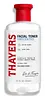 Key Ingredients
No key ingredients
Benefits
Concerns
Ingredients Side-by-side


Water
Skin ConditioningButylene Glycol
Humectant

Dimethyl Sulfone
SolventBetaine
Humectant
Caprylic/Capric Triglyceride
Masking
Disodium EDTA
Glycyrrhiza Glabra Root Extract
Bleaching



Centella Asiatica Extract
Cleansing

Chlorphenesin
Antimicrobial
Tocopheryl Acetate
Antioxidant

Glycerin
Humectant
Arginine
Masking
Carbomer
Emulsion StabilisingPanthenol
Skin Conditioning
Luffa Cylindrica Fruit/Leaf/Stem Extract
Skin Conditioning1,2-Hexanediol
Skin Conditioning
Hydroxyethylcellulose
Emulsion StabilisingAloe Barbadensis Leaf Extract
Emollient
Althaea Rosea Flower Extract
Skin ConditioningPortulaca Oleracea Extract
Skin Conditioning
Polyquaternium-51
Skin Conditioning
Beta-Glucan
Skin Conditioning
Lysine Hcl
Skin Conditioning
Sodium Ascorbyl Phosphate
Antioxidant

Sodium Hyaluronate
Humectant
Acetyl Methionine
Skin Conditioning
Theanine
EmollientProline
Skin Conditioning
Natto Gum
Disodium Phosphate
BufferingPolysorbate 60
Emulsifying
Sodium Phosphate
BufferingCitrus Limon Peel Oil
Masking





Lavandula Angustifolia Oil
Masking
Citrus Aurantium Dulcis Peel Oil
Masking
Pelargonium Graveolens Flower Oil
Masking
Cananga Odorata Flower Oil
Masking
Eucalyptus Globulus Leaf Oil
Perfuming
Copper Tripeptide-1
Skin Conditioning
Water, Butylene Glycol, Dimethyl Sulfone, Betaine, Caprylic/Capric Triglyceride, Disodium EDTA, Glycyrrhiza Glabra Root Extract, Centella Asiatica Extract, Chlorphenesin, Tocopheryl Acetate, Glycerin, Arginine, Carbomer, Panthenol, Luffa Cylindrica Fruit/Leaf/Stem Extract, 1,2-Hexanediol, Hydroxyethylcellulose, Aloe Barbadensis Leaf Extract, Althaea Rosea Flower Extract, Portulaca Oleracea Extract, Polyquaternium-51, Beta-Glucan, Lysine Hcl, Sodium Ascorbyl Phosphate, Sodium Hyaluronate, Acetyl Methionine, Theanine, Proline, Natto Gum, Disodium Phosphate, Polysorbate 60, Sodium Phosphate, Citrus Limon Peel Oil, Lavandula Angustifolia Oil, Citrus Aurantium Dulcis Peel Oil, Pelargonium Graveolens Flower Oil, Cananga Odorata Flower Oil, Eucalyptus Globulus Leaf Oil, Copper Tripeptide-1
Reviews
Ingredients Explained
These ingredients are found in both products.
Ingredients higher up in an ingredient list are typically present in a larger amount.
Aloe Barbadensis Leaf Extract is an extract of the leaves of the aloe, Aloe barbadensis, Liliaceae.
Aloe is one of the most well-known natural soothing ingredients, and for good reason. It’s full of water and has a cooling, calming effect on the skin, especially when it’s sunburned, itchy, or irritated. Aloe also helps your skin stay hydrated and smooth by mimicking what healthy skin naturally produces. On top of that, it contains vitamins and nutrients that support skin recovery.
It doesn’t protect you from the sun, but it can help your skin bounce back after too much time in it.
Let’s get into the details:
Aloe contains antioxidant Vitamins A, C, and E, which help fight off free radicals (unstable molecules from things like pollution that can damage your skin).
It’s also rich in polysaccharides, which are natural sugars that help hydrate the skin by acting like the skin’s own moisturizing agents. These, along with other sugars like monosaccharides, help form a protective barrier that locks in moisture.
Aloe works as both a humectant and an emollient. That means it draws water into the skin (humectant) and helps trap it there (emollient), making it an effective natural moisturizer.
You’ll also find a mix of other skin-supporting ingredients in aloe, including folic acid, choline, calcium, amino acids, fatty acids, and even Vitamin B12.
Out of the 420+ species of aloe, Aloe barbadensis is the most widely used in skincare products thanks to its gentle yet effective properties.
There are over 420 species of aloe but Aloe Barbadensis is the most commonly used for topical products.
Learn more about Aloe Barbadensis Leaf ExtractGlycerin (or glycerol) is a compound naturally found in your skin. It's a powerhouse humectant that pulls water into the stratum corneum.
Topically, glycerin does several things at once:
Your skin makes glycerin on its own (mostly from sebaceous oil breakdown) and shuttles it to your outermost layer of skin, or your epidermis, via aquaporin-3.
Aquaporin-3 is a transporter that is essential for normal skin hydration, elasticity, and repair. Interestingly, mice lacking in AQP3 have dry and less elastic skin that can be fully corrected with glycerin.
This ingredient is non-irritating, plays well with almost every ingredient, and works across all skin types. Typical use is anywhere between 3-10% but can go up to 79% in some leave-on products.
Just know very high concentrations (>40%) can feel tacky in low humidity.
Glycerin is the name for this ingredient in American English. British English uses Glycerol/Glycerine.
Learn more about GlycerinWater. It's the most common cosmetic ingredient of all. You'll usually see it at the top of ingredient lists, meaning that it makes up the largest part of the product.
So why is it so popular? Water most often acts as a solvent - this means that it helps dissolve other ingredients into the formulation.
You'll also recognize water as that liquid we all need to stay alive. If you see this, drink a glass of water. Remember to stay hydrated!
Learn more about Water
