
What's inside
What's inside
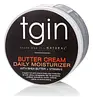 Key Ingredients
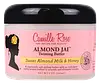
Benefits
Concerns
Ingredients Side-by-side
Water
Skin ConditioningGlycerin
Humectant


Butyrospermum Parkii Butter
Skin Conditioning




Cetearyl Alcohol
Emollient

Cocos Nucifera Oil
Masking

Amodimethicone

Brassicamidopropyl Dimethylamine
Skin ConditioningOlea Europaea Fruit Oil
Masking
Theobroma Cacao Seed Butter
Emollient
Prunus Amygdalus Dulcis Oil
Skin Conditioning
Triticum Vulgare Germ Oil
Emollient
PEG-40 Hydrogenated Castor Oil
Emulsifying
Ceteareth-20
Cleansing
Aloe Barbadensis Leaf Juice
Skin Conditioning

Hydrolyzed Soy Protein
Humectant
Panthenol
Skin Conditioning
Aspartic Acid
Masking
Parfum
Masking

Cyclopentasiloxane
Emollient
Iodopropynyl Butylcarbamate
Preservative
DMDM Hydantoin
Preservative
Benzophenone-3
UV Absorber

Tocopheryl Acetate
Antioxidant


Tetrasodium EDTA
ChelatingSimethicone
Emollient
BHT
Antioxidant
Water, Glycerin, Butyrospermum Parkii Butter, Cetearyl Alcohol, Cocos Nucifera Oil, Amodimethicone, Brassicamidopropyl Dimethylamine, Olea Europaea Fruit Oil, Theobroma Cacao Seed Butter, Prunus Amygdalus Dulcis Oil, Triticum Vulgare Germ Oil, PEG-40 Hydrogenated Castor Oil, Ceteareth-20, Aloe Barbadensis Leaf Juice, Hydrolyzed Soy Protein, Panthenol, Aspartic Acid, Parfum, Cyclopentasiloxane, Iodopropynyl Butylcarbamate, DMDM Hydantoin, Benzophenone-3, Tocopheryl Acetate, Tetrasodium EDTA, Simethicone, BHT
Water
Skin ConditioningBehentrimonium Methosulfate
SurfactantCetearyl Alcohol
Emollient
Prunus Amygdalus Dulcis Fruit Extract
Skin ConditioningPrunus Amygdalus Dulcis Oil
Skin Conditioning
Cucurbita Pepo Seed Oil
Emollient
Sesamum Indicum Seed Oil
Emollient
Simmondsia Chinensis Seed Oil
Emollient
Oryza Sativa Bran Oil
Emollient
Macadamia Ternifolia Seed Oil
Emollient
Olea Europaea Fruit Oil
Masking
Cannabis Sativa Seed Oil
Emollient
Ulmus Fulva Bark Extract
MoisturisingRicinus Communis Seed Oil
Masking
Aloe Barbadensis Leaf Juice
Skin Conditioning
Cera Alba
Emollient
Camellia Sinensis Leaf Extract
Antimicrobial


Phenoxyethanol
Preservative
Caprylyl Glycol
Emollient
Diethyl Phthalate
Masking
Water, Behentrimonium Methosulfate, Cetearyl Alcohol, Prunus Amygdalus Dulcis Fruit Extract, Prunus Amygdalus Dulcis Oil, Cucurbita Pepo Seed Oil, Sesamum Indicum Seed Oil, Simmondsia Chinensis Seed Oil, Oryza Sativa Bran Oil, Macadamia Ternifolia Seed Oil, Olea Europaea Fruit Oil, Cannabis Sativa Seed Oil, Ulmus Fulva Bark Extract, Ricinus Communis Seed Oil, Aloe Barbadensis Leaf Juice, Cera Alba, Camellia Sinensis Leaf Extract, Phenoxyethanol, Caprylyl Glycol, Diethyl Phthalate
Ingredients Explained
These ingredients are found in both products.
Ingredients higher up in an ingredient list are typically present in a larger amount.
Aloe Barbadensis Leaf Juice is the filtered, stabilized liquid pressed from the inner gel of the aloe vera leaf.
In cosmetics, it shows up as either soothing active or a water-replacement base. It is roughly 98-99% water and the last 1-2% is an interesting mix of polysaccharides, amino acids, vitamins, minerals, and enzymes.
The polysaccharides do most of the work: they bind water at the skin surface for a light, non-greasy hydration boost. And one of the polysaccharides, glycomannan, is linked to fibroblast stimulation + collagen synthesis. This is also why aloe has such a long track record in wound and burn healing.
This ingredient is also calming with anti-inflammatory and mild antimicrobial activity, making it a great pick for sensitive, irritated, or post-sun skin.
Realistic expectations matter though; the solid evidence is mostly limited to hydration, soothing, and wound support. Deeper claims about anti-aging or sun protection are not well backed, and science reviews note it does not prevent radiation-induced skin injury.
Because it plays well with almost everything, it's commonly used as a base alongside other actives like niacinamide or vitamin C.
Typical usage concentrations range from 0.5% (where hydration benefits already show up) all the way to 90%+ (where it replaces water as the main base).
The safety for this ingredient is well-establish as well. Overall, this is a great supporting ingredient for those who want a boost in hydration.
Learn more about Aloe Barbadensis Leaf JuiceCetearyl alcohol is a waxy mixture of two fatty alcohols: cetyl alcohol and stearyl alcohol. It is an emollient and emulsifier.
Despite having "alcohol" in its name, it has nothing to do with drying solvent alcohols; the FDA also allows "alcohol-free" products to contain fatty alcohols like this ingredient.
It plays several roles in a formula:
Typical use levels for this ingredient sit around 1-10% and the Cosmetic Ingredient Review Expert Panel has affirmed safety at concentrations up to 25% in leave-on products.
Multiple assessments have found it to be non-irritating and non-sensitizing to most people.
However, there have been some cases of allergic contact dermatitis in patients with chronically compromised skin barriers.
Cetearyl alcohol has a comedogenic rating of 2 and irritancy rating of 1. Both of these numbers come from the 1989 study that used rabbit ears; a "2" means mildly comedogenic and a "1" means low irritancy.
Here's the catch: rabbit skin is more sensitive than human skin and throws a lot of false positives. A 1996 reappraisal found that ingredients rated 1-2 in the rabbit ear tests are generally safe for humans.
Remember comedogenic ratings are unable to assess the entire formula of a product or how it will react on your skin. Just be sure to patch test if you are unsure about certain ingredients.
This ingredient is not fungal acne safe. Cetearyl alcohol is a fatty alcohol with chain lengths that fall within the range that Malassezia can metabolize.
A 2019 study has also observed Malassezia growth in the presence of this ingredient, confirming it to be not-fungal acne safe.
Learn more about Cetearyl AlcoholThis ingredient is also known as olive oil. It has been used in skincare for centuries and science largely backs up its reputation as a nourishing emollient.
The main components of olive oil are oleic acid (55-83%), linoleic acid (3.5-20%), and palmitic acid (7-20%). Oleic acid promotes skin regeneration and helps regulate inflammatory responses.
Squalene is also naturally present in olive oil and exhibits moisturizing and antioxidant properties.
The polyphenols in olive oil also show anti-aging promise; one clinical study found a measurable improvement in skin appearance after 30 days of topical serum use.
Just be aware that applying olive oil directly to skin can weaken the barrier and cause redness. One study with volunteers found even people without sensitive skin experienced a significant reduction in stratum corneum integrity and induced mild erythema.
It's best to use this ingredient as part of a carefully crafted formula (instead of putting it on skin directly from the bottle).
Because it has a 0-2 on the comedogenic scale, it is low risk for acne-prone skin. Just remember the overall formulation of a product matters more than a few ingredients with comedogenic ratings.
This ingredient may not be fungal acne safe because of the oleic and palmitic acid content. These fall within the C11-24 fatty acid range that the Malassezia yeast can metabolize to grow.
Overall, olive oil is a well-studied and nourishing skincare ingredient.
Learn more about Olea Europaea Fruit OilThis ingredient is also known as sweet almond oil. It is a lightweight, cold-pressed oil from the ripe seeds of the sweet almond tree.
Sweet almond oil is rich in skin-nourishing fatty acids such as oleic acid (55-86%) and linolenic acid (7-35%).
As an emollient, it softens and hydrates skin by forming a thin barrier that locks in moisture.
Clinical studies have found it to be non-irritating and non-sensitizing. The CIR Expert Panel has evaluated the available safety data and concluded it is safe for topical use.
Because of the oleic acid content, this ingredient may not be fungal acne safe.
Learn more about Prunus Amygdalus Dulcis OilWater. It's the most common cosmetic ingredient of all. You'll usually see it at the top of ingredient lists, meaning that it makes up the largest part of the product.
So why is it so popular? Water most often acts as a solvent - this means that it helps dissolve other ingredients into the formulation.
You'll also recognize water as that liquid we all need to stay alive. If you see this, drink a glass of water. Remember to stay hydrated!
Learn more about Water

