
What's inside
What's inside
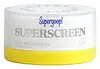 Key Ingredients
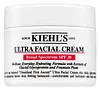
Benefits
Concerns
No concerns
Ingredients Side-by-side
Butyl Methoxydibenzoylmethane 2.5%
UV Absorber
Homosalate 8%
Skin Conditioning
Ethylhexyl Salicylate 5%
UV Absorber
Water
Skin ConditioningCarthamus Tinctorius Oleosomes
Emollient
Glycerin
Humectant


C12-15 Alkyl Benzoate
AntimicrobialPolyester-7
Skin ConditioningAmmonium Acryloyldimethyltaurate/Vp Copolymer
Neopentyl Glycol Diheptanoate
EmollientCarthamus Tinctorius Seedcake Extract
Skin ProtectingAphanizomenon Flos-Aquae Extract
HumectantInulin Lauryl Carbamate
Emulsion StabilisingXanthan Gum
EmulsifyingBiosaccharide Gum-4
Skin Conditioning
Cerium Oxide
Platinum Powder
Abrasive
1,2-Hexanediol
Skin Conditioning
Ethylhexylglycerin
Skin ConditioningPhenethyl Alcohol
MaskingChlorphenesin
Antimicrobial
Butyl Methoxydibenzoylmethane 2.5%, Homosalate 8%, Ethylhexyl Salicylate 5%, Water, Carthamus Tinctorius Oleosomes, Glycerin, C12-15 Alkyl Benzoate, Polyester-7, Ammonium Acryloyldimethyltaurate/Vp Copolymer, Neopentyl Glycol Diheptanoate, Carthamus Tinctorius Seedcake Extract, Aphanizomenon Flos-Aquae Extract, Inulin Lauryl Carbamate, Xanthan Gum, Biosaccharide Gum-4, Cerium Oxide, Platinum Powder, 1,2-Hexanediol, Ethylhexylglycerin, Phenethyl Alcohol, Chlorphenesin
Water
Skin ConditioningGlycerin
Humectant
Octocrylene
UV Absorber

Homosalate
Skin Conditioning
Ethylhexyl Salicylate
UV Absorber
Squalane
Emollient
Butyl Methoxydibenzoylmethane
UV Absorber
Dimethicone
Emollient
PEG-100 Stearate
Surfactant
Glyceryl Stearate
Emollient
Silica
Abrasive

Octyldodecanol
Emollient
Stearic Acid
Cleansing
Phenoxyethanol
Preservative
Palmitic Acid
Emollient
Tocopherol
Antioxidant




Dicaprylyl Carbonate
EmollientSteareth-100
Gel FormingAcrylates/C10-30 Alkyl Acrylate Crosspolymer
Emulsion StabilisingOphiopogon Japonicus Root Extract
Skin ConditioningCarbomer
Emulsion StabilisingChlorphenesin
Antimicrobial
Capryloyl Salicylic Acid
Exfoliating
Caprylyl Glycol
Emollient
Xanthan Gum
EmulsifyingDimethicone/Vinyl Dimethicone Crosspolymer
Skin Conditioning
Disodium EDTA
Sodium Hydroxide
BufferingCitrus Aurantium Dulcis Peel Oil
Masking


Limonene
Perfuming

Ectoin
Skin Conditioning

Hydrolyzed Hyaluronic Acid
Humectant
Myristic Acid
Cleansing
Mentha Piperita Oil
Masking
Pseudoalteromonas Ferment Extract
Humectant
Ethylhexylglycerin
Skin ConditioningLinalool
Perfuming
Salicylic Acid
Masking

Water, Glycerin, Octocrylene, Homosalate, Ethylhexyl Salicylate, Squalane, Butyl Methoxydibenzoylmethane, Dimethicone, PEG-100 Stearate, Glyceryl Stearate, Silica, Octyldodecanol, Stearic Acid, Phenoxyethanol, Palmitic Acid, Tocopherol, Dicaprylyl Carbonate, Steareth-100, Acrylates/C10-30 Alkyl Acrylate Crosspolymer, Ophiopogon Japonicus Root Extract, Carbomer, Chlorphenesin, Capryloyl Salicylic Acid, Caprylyl Glycol, Xanthan Gum, Dimethicone/Vinyl Dimethicone Crosspolymer, Disodium EDTA, Sodium Hydroxide, Citrus Aurantium Dulcis Peel Oil, Limonene, Ectoin, Hydrolyzed Hyaluronic Acid, Myristic Acid, Mentha Piperita Oil, Pseudoalteromonas Ferment Extract, Ethylhexylglycerin, Linalool, Salicylic Acid
Reviews
Ingredients Explained
These ingredients are found in both products.
Ingredients higher up in an ingredient list are typically present in a larger amount.
Also known as Avobenzone, this ingredient is a chemical sunscreen filter that provides protection in the UV-A range.
Avobenzone is globally approved and is the most commonly used UV-A filter in the world.
Studies have found that avobenzone becomes ineffective when exposed to UV light (it is not photostable; meaning that it breaks down in sunlight). Because of this, formulations that include avobenzone will usually contain stabilizers such as octocrylene.
However, some modern formulations (looking at you, EU!) are able to stabilize avobenzone by coating the molecules.
Avobenzone does not protect against the UV-B range, so it's important to check that the sunscreen you're using contains other UV filters that do!
The highest concentration of avobenzone permitted is 3% in the US, and 5% in the EU.
Learn more about Butyl MethoxydibenzoylmethaneChlorphenesin is a synthetic preservative. It helps protect a product against bacteria in order to extend shelf life. In most cases, Chlorphenesin is paired with other preservatives such as phenoxyethanol and caprylyl glycol.
Chlorphenesin is a biocide. This means it is able to help fight the microorganisms on our skin. It is also able to fight odor-releasing bacteria.
Chlorphenesin is soluble in both water and glycerin.
Studies show Chlorphenesin is easily absorbed by our skin. You should speak with a skincare professional if you have concerns about using Chlorphenesin.
Learn more about ChlorphenesinEthylhexyl Salicylate is an organic compound used to block UV rays. It primarily absorbs UVB rays but offers a small amount of UVA protection as well.
Commonly found in sunscreens, Ethylhexyl Salicylate is created from salicylic acid and 2-ethylhexanol. You might know salicylic acid as the effective acne fighter ingredient and BHA.
The ethylhexanol in this ingredient is a fatty alcohol and helps hydrate your skin, similar to oils. It is an emollient, which means it traps moisture into the skin.
According to manufacturers, Ethylhexyl Salicylate absorbs UV wavelength of 295-315 nm, with a peak absorption at 307-310 nm. UVA rays are linked to long term skin damage, such as hyperpigmentation. UVB rays emit more energy and are capable of damaging our DNA. UVB rays cause sunburn.
Learn more about Ethylhexyl SalicylateEthylhexylglycerin is created from glycerin. It is a multitasker ingredient that:
The CIR Expert Panel found minimal skin absorption or sensitization of any kind in a safety assessment. Though this ingredient is considered well-tolerated, a small number of cases of allergic dermatitis have been published since 2002. Just be sure to patch test if you are unsure.
Industry-reported use ranges from 8% in rinse-off products and 2% in leave-on formulations.
Learn more about EthylhexylglycerinGlycerin (or glycerol) is a compound naturally found in your skin. It's a powerhouse humectant that pulls water into the stratum corneum.
Topically, glycerin does several things at once:
Your skin makes glycerin on its own (mostly from sebaceous oil breakdown) and shuttles it to your outermost layer of skin, or your epidermis, via aquaporin-3.
Aquaporin-3 is a transporter that is essential for normal skin hydration, elasticity, and repair. Interestingly, mice lacking in AQP3 have dry and less elastic skin that can be fully corrected with glycerin.
This ingredient is non-irritating, plays well with almost every ingredient, and works across all skin types. Typical use is anywhere between 3-10% but can go up to 79% in some leave-on products.
Just know very high concentrations (>40%) can feel tacky in low humidity.
Glycerin is the name for this ingredient in American English. British English uses Glycerol/Glycerine.
Learn more about GlycerinHomosalate is a chemical sunscreen filter that provides protection in the UV-B range (280nm - 320 nm), with a peak protection at 306 nm. It is internationally approved for use in sunscreens.
Homosalate is not photo-stable, meaning it's strength as a UV filter degrades over time with exposure to the sun. Because of this, it's often used in combination with other chemical sunscreen filters as avobenzone (which protects from the UV-A range). Homosalate also helps act as a solvent for harder-to-dissolve UV filters.
(Part of the reason that sunscreens need to be frequently re-applied is due to the photo instability of many chemical sunscreen filters)
Currently, homosalate is approved in concentrations up to 10% in the EU and 15% in the US. The FDA is currently doing further research on the effects of homosalate, and it is possible that these approved concentrations will change in the future.
Learn more about HomosalateWater. It's the most common cosmetic ingredient of all. You'll usually see it at the top of ingredient lists, meaning that it makes up the largest part of the product.
So why is it so popular? Water most often acts as a solvent - this means that it helps dissolve other ingredients into the formulation.
You'll also recognize water as that liquid we all need to stay alive. If you see this, drink a glass of water. Remember to stay hydrated!
Learn more about WaterXanthan gum is used as a stabilizer and thickener within cosmetic products. It helps give products a sticky, thick feeling - preventing them from being too runny.
On the technical side of things, xanthan gum is a polysaccharide - a combination consisting of multiple sugar molecules bonded together.
Xanthan gum is a pretty common and great ingredient. It is a natural, non-toxic, non-irritating ingredient that is also commonly used in food products.
Learn more about Xanthan Gum
