
What's inside
What's inside
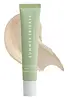 Key Ingredients
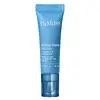
Benefits
Concerns
Ingredients Side-by-side
Phytosteryl/Isostearyl/Cetyl/Stearyl/Behenyl Dimer Dilinoleate
Skin Conditioning
Diisostearyl Malate
EmollientHydrogenated Polyisobutene
EmollientPolybutene
Hydrogenated Poly(C6-14 Olefin)
EmollientButyrospermum Parkii Butter
Skin Conditioning



Cera Microcristallina
Emulsion StabilisingOctyldodecanol
Emollient
Synthetic Wax
Abrasive
Disteardimonium Hectorite
StabilisingAstrocaryum Murumuru Seed Butter
Emollient
Sodium Hyaluronate
Humectant


Tocopherol
Antioxidant



Mentha Piperita Oil
Masking






Menthone Glycerin Acetal
Refreshing
Stevia Rebaudiana Extract
Vanillin
Masking
Ricinus Communis Seed Oil
Masking
Propylene Carbonate
SolventPolyglyceryl-2 Diisostearate
Emulsifying
Mica
Cosmetic ColorantBHT
Antioxidant
Limonene
Perfuming
Linalool
Perfuming
Phytosteryl/Isostearyl/Cetyl/Stearyl/Behenyl Dimer Dilinoleate, Diisostearyl Malate, Hydrogenated Polyisobutene, Polybutene, Hydrogenated Poly(C6-14 Olefin), Butyrospermum Parkii Butter, Cera Microcristallina, Octyldodecanol, Synthetic Wax, Disteardimonium Hectorite, Astrocaryum Murumuru Seed Butter, Sodium Hyaluronate, Tocopherol, Mentha Piperita Oil, Menthone Glycerin Acetal, Stevia Rebaudiana Extract, Vanillin, Ricinus Communis Seed Oil, Propylene Carbonate, Polyglyceryl-2 Diisostearate, Mica, BHT, Limonene, Linalool
Polybutene
Hydrogenated Polydecene
EmollientDiisostearyl Malate
EmollientSqualane
Emollient
Butyrospermum Parkii Butter
Skin Conditioning
Polyethylene
Abrasive
Phytosteryl/Isostearyl/Cetyl/Stearyl/Behenyl Dimer Dilinoleate
Skin Conditioning
Bis-Diglyceryl Polyacyladipate-2
Emollient
Caprylic/Capric Triglyceride
Masking
Hydrogenated Styrene/Isoprene Copolymer
Avena Sativa Kernel Oil
Skin Conditioning
Colloidal Oatmeal
Absorbent
Panthenol
Skin Conditioning
Silica
Abrasive

Ceramide NP
Skin Conditioning
Tocopheryl Acetate
Antioxidant
Cetearyl Alcohol
Emollient
CI 77120
Cosmetic ColorantPentaerythrityl Tetra-Di-T-Butyl Hydroxyhydrocinnamate
Antioxidant
Phenoxyethanol
Preservative
Mentha Piperita Oil
Masking
Limonene
Perfuming
CI 77491
Cosmetic ColorantCI 15850
Cosmetic ColorantCI 77891
Cosmetic ColorantPolybutene, Hydrogenated Polydecene, Diisostearyl Malate, Squalane, Butyrospermum Parkii Butter, Polyethylene, Phytosteryl/Isostearyl/Cetyl/Stearyl/Behenyl Dimer Dilinoleate, Bis-Diglyceryl Polyacyladipate-2, Caprylic/Capric Triglyceride, Hydrogenated Styrene/Isoprene Copolymer, Avena Sativa Kernel Oil, Colloidal Oatmeal, Panthenol, Silica, Ceramide NP, Tocopheryl Acetate, Cetearyl Alcohol, CI 77120, Pentaerythrityl Tetra-Di-T-Butyl Hydroxyhydrocinnamate, Phenoxyethanol, Mentha Piperita Oil, Limonene, CI 77491, CI 15850, CI 77891
Reviews
Ingredients Explained
These ingredients are found in both products.
Ingredients higher up in an ingredient list are typically present in a larger amount.
This ingredient is also known as shea butter. It is a plant-derived extract from the nuts of the Africa shea tree and one of the most well-studied emollients.
Because it has a high concentration of fatty acids (primarily oleic, stearic, and linoleic) it is able to form a protective barrier on the skin's surface. This helps seal in moisture and prevents transepidermal water loss (TEWL).
In vitro research found an increase in skin hydration by 58% and a decrease in TEWL by 37.8% after 24 hours of applying this ingredient (pretty impressive for a single ingredient!).
Besides hydration, shea butter also contains triterpenes that have anti-inflammatory potential. In particule, lupeol cinnamate has shown the highest anti-inflammatory activity in vivo.
Shea butter also contains vitamins A and E which may contribute to antioxidant activity.
While Shea Butter has an SPF rating of about 3-4, it is not a sunscreen replacement.
This ingredient may not be fungal acne safe because its fatty acids fall within the C11-C24 range that the Malassezia yeast can metabolize.
Learn more about Butyrospermum Parkii ButterDiisostearyl Malate is an emollient and most often used in lip products. It comes from isostearyl alcohol, a fatty acid, and malic acid, an AHA.
As an emollient, Diisostearyl Malate helps create a thin film on your skin to trap moisture in. This helps keep your skin soft and smooth.
Limonene is a fragrance that adds scent and taste to a formulation.
It's found in the peel oil of citrus fruits and other plants such as lavender and eucalyptus. The scent of limonene is generally described as "sweet citrus".
Limonene acts as an antioxidant, meaning it helps neutralize free radicals.
When exposed to air, oxidized limonene may sensitize the skin. Because of this, limonene is often avoided by people with sensitive skin.
The term 'fragrance' is not regulated in many countries. In many cases, it is up to the brand to define this term. For instance, many brands choose to label themselves as "fragrance-free" because they are not using synthetic fragrances. However, their products may still contain ingredients such as essential oils that are considered a fragrance.
Learn more about LimoneneThis essential oil is steam-distilled from peppermint leaves, also known as peppermint oil. It's mainly used for scent in skincare but also provides that signature "cooling" sensation.
Peppermint oil is a "feels amazing" ingredient until it doesn't.
At higher doses or for those with sensitive skin, methol-type cooling can quickly turn into burning/irritation. It can also trigger irritant dermatitis or even allergic contact dermatitis. In a large patch-test dataset, peppermint oil had a low but positive rate for this.
In cosmetics, Cosmetic Safety Reviews (CIR) concludes that peppermint oil is safe to use when formulated to be non-sensitizing with some restrictions; for instance, pulegone, a naturally occurring component of peppermint oil, should not exceed 1%.
Since peppermint oil contains fragrance allergens such as limonene, linalool, and menthol, it can be sensitizing for those with rosacea, eczema, a broken skin barrier, or just sensitive skin in general.
In Japan, this ingredient is known as Hakka Yu.
Learn more about Mentha Piperita OilPhytosteryl/Isostearyl/Cetyl/Stearyl/Behenyl Dimer Dilinoleate is an emollient ester.
As an emollient, it softens and hydrates your skin by locking moisture in. Its large, branched structure gives it a thick, cushiony feel without being greasy. This is why it shows up most often in lip balms, lipsticks, and other stick or balm formulas, where it adds gloss and helps hold waxes and pigments together.
The phytosterol portion is a nice extra. Phytosterols are plant-based lipids that are structurally similar to ones found naturally in skin, so they can help support the skin barrier.
Because this ingredient contains C16, C18, and C22 fatty chains, it may not be Malassezia/fungal acne safe. The Malassezia yeast potentially feeds on fatty acids in the C11-C24 range. If you're prone to flare-ups, you might want to patch-test or skip this one.
Learn more about Phytosteryl/Isostearyl/Cetyl/Stearyl/Behenyl Dimer DilinoleatePolybutene is used to help control the viscosity of a product. This just means it helps adjusts the texture.
It is a polymer and does not get absorbed into the skin due to its large size.
Studies found this ingredient did not irritate skin in concentrations below 15%.
Learn more about Polybutene
