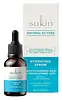
This hydrating serum is formulated around Aloe Barbadensis Leaf Juice and Hydrolyzed Sodium Hyaluronate to hydrate skin and calm redness.
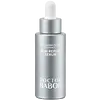
This barrier-repair serum is formulated around Aloe Barbadensis Leaf Juice and Panthenol to strengthen the skin barrier and calm redness.


What's inside
What's inside
 Key Ingredients
No key ingredients
Benefits
Concerns
Ingredients Side-by-side
Water
Skin ConditioningAloe Barbadensis Leaf Juice
Skin Conditioning


Betaine
Humectant
Pentylene Glycol
Skin Conditioning
Propanediol
Solvent
Glycerin
Humectant
Sucrose
Humectant
Allantoin
Skin Conditioning
Hydrolyzed Sodium Hyaluronate
Skin Conditioning
Sodium Polyglutamate
HumectantTremella Fuciformis Extract
Humectant
Hibiscus Esculentus Fruit Extract
Skin ConditioningHydrolyzed Rhodophyceae Extract
Xanthan Gum
EmulsifyingErythritol
Humectant
Potassium Lactate
BufferingLactic Acid
Buffering









Sodium Benzoate
Masking
Benzyl Alcohol
Perfuming



Parfum
Masking
Limonene
Perfuming
Linalool
Perfuming
Water, Aloe Barbadensis Leaf Juice, Betaine, Pentylene Glycol, Propanediol, Glycerin, Sucrose, Allantoin, Hydrolyzed Sodium Hyaluronate, Sodium Polyglutamate, Tremella Fuciformis Extract, Hibiscus Esculentus Fruit Extract, Hydrolyzed Rhodophyceae Extract, Xanthan Gum, Erythritol, Potassium Lactate, Lactic Acid, Sodium Benzoate, Benzyl Alcohol, Parfum, Limonene, Linalool
Water
Skin ConditioningAloe Barbadensis Leaf Juice
Skin Conditioning
Betaine
Humectant
Lactobacillus/Soybean Ferment Extract
Skin ConditioningAlcohol Denat.
Antimicrobial
Fucus Vesiculosus Extract
Emollient
Fumaria Officinalis Extract
Skin ConditioningNasturtium Officinale Extract
Perfuming
Panax Ginseng Root Extract
Emollient
Rosmarinus Officinalis Leaf Extract
AntimicrobialScrophularia Nodosa Extract
Skin ConditioningUrtica Dioica Leaf Extract
Skin ConditioningAgrimonia Eupatoria Extract
AstringentPanthenol
Skin Conditioning
Sodium Lactate
Buffering
Sodium PCA
Humectant
Sorbitol
Humectant
Hydrolyzed Lupine Protein
Skin ConditioningPentylene Glycol
Skin Conditioning
Caprylyl Glycol
Emollient
Fructose
Humectant
Glycine
Buffering
Inositol
Humectant
Lactic Acid
Buffering
Niacinamide
Smoothing

Urea
Buffering
Xanthan Gum
EmulsifyingEthylhexylglycerin
Skin ConditioningPantolactone
Humectant
Citric Acid
Buffering
Phenoxyethanol
Preservative
Sodium Benzoate
Masking
Water, Aloe Barbadensis Leaf Juice, Betaine, Lactobacillus/Soybean Ferment Extract, Alcohol Denat., Fucus Vesiculosus Extract, Fumaria Officinalis Extract, Nasturtium Officinale Extract, Panax Ginseng Root Extract, Rosmarinus Officinalis Leaf Extract, Scrophularia Nodosa Extract, Urtica Dioica Leaf Extract, Agrimonia Eupatoria Extract, Panthenol, Sodium Lactate, Sodium PCA, Sorbitol, Hydrolyzed Lupine Protein, Pentylene Glycol, Caprylyl Glycol, Fructose, Glycine, Inositol, Lactic Acid, Niacinamide, Urea, Xanthan Gum, Ethylhexylglycerin, Pantolactone, Citric Acid, Phenoxyethanol, Sodium Benzoate
Ingredients Explained
These ingredients are found in both products.
Ingredients higher up in an ingredient list are typically present in a larger amount.
Aloe Barbadensis Leaf Juice is the filtered, stabilized liquid pressed from the inner gel of the aloe vera leaf.
In cosmetics, it shows up as either soothing active or a water-replacement base. It is roughly 98-99% water and the last 1-2% is an interesting mix of polysaccharides, amino acids, vitamins, minerals, and enzymes.
The polysaccharides do most of the work: they bind water at the skin surface for a light, non-greasy hydration boost. And one of the polysaccharides, glycomannan, is linked to fibroblast stimulation + collagen synthesis. This is also why aloe has such a long track record in wound and burn healing.
This ingredient is also calming with anti-inflammatory and mild antimicrobial activity, making it a great pick for sensitive, irritated, or post-sun skin.
Realistic expectations matter though; the solid evidence is mostly limited to hydration, soothing, and wound support. Deeper claims about anti-aging or sun protection are not well backed, and science reviews note it does not prevent radiation-induced skin injury.
Because it plays well with almost everything, it's commonly used as a base alongside other actives like niacinamide or vitamin C.
Typical usage concentrations range from 0.5% (where hydration benefits already show up) all the way to 90%+ (where it replaces water as the main base).
The safety for this ingredient is well-establish as well. Overall, this is a great supporting ingredient for those who want a boost in hydration.
Learn more about Aloe Barbadensis Leaf JuiceBetaine is a humectant. Like hyaluronic acid, it helps attract and retain moisture in the skin. It’s known for being gentle and for helping the skin maintain balanced hydration.
Betaine is mainly used to improve hydration and support calmer skin. It helps skin cells regulate water balance because it functions as an osmolyte.
Some studies suggest betaine may support making skin tone more even.
Fun fact: Betaine naturally exists in the skin and the body. In cosmetic products, it can be either plant-derived (most commonly from sugar beets) or synthetically produced for consistency and stability.
Betaine is also known as trimethylglycine.
Learn more about BetaineLactic Acid is another well-loved alpha hydroxy acid (AHA). It is gentler than glycolic acid but still highly effective.
Its main role is to exfoliate the surface of the skin by loosening the “glue” that holds dead skin cells together. Shedding those old cells leads to smoother, softer, and more even-toned skin.
Because lactic acid molecules are larger than glycolic acid, they don’t penetrate as deeply. This means they’re less likely to sting or irritate, making it a great choice for beginners or those with sensitive skin.
Like glycolic acid, it can:
Lactic acid also acts as a humectant (like hyaluronic acid). It can draw water into the skin to improve hydration and also plays a role in the skin's natural moisturizing factor (NMF) in the form of sodium lactate.
Studies show it can boost ceramide production to strengthen the skin barrier and even help balance the skin’s microbiome.
To get results, choose products with a pH between 3-4.
Lower strengths (5-12%) focus on surface exfoliation; higher strengths (12% and up) can reach deeper in the dermis (deeper, supportive layer) to improve skin texture and firmness over time.
Though it was originally derived from milk, most modern lactic acid used in skincare is vegan. It is made through non-dairy fermentation to create a bio-identical and stable form suitable for all formulations.
When lactic acid shows up near the end of an ingredient list, it usually means the brand added just a tiny amount to adjust the product’s pH.
Legend has it that Cleopatra used to bathe in sour milk to help reduce wrinkles.
Lactic acid is truly a gentle multitasker: it exfoliates, hydrates, strengthens, and brightens. It's a great ingredient for giving your skin a smooth, glowing, and healthy look without the harshness of stronger acids.
Read more about some other popular AHA's here:
Learn more about Lactic AcidPentylene Glycol (1,2-pentanediol) is a multitasking little diol with three main roles in a formula:
Research on alkanediols (the family pentylene glycol belongs to) show they work by disrupting microbial cell membranes. This disruption helps the primary preservative system in a product work more effectively at lower doses.
On the safety side, the Cosmetic Ingredient Review Expert Panel has concluded this ingredient to be safe as used in current cosmetic practices + concentrations.
Typical use levels in a formula run about 1-5%.
Learn more about Pentylene GlycolSodium Benzoate is a preservative. It's used in both cosmetic and food products to inhibit the growth of mold and bacteria. It is typically produced synthetically.
Both the US FDA and EU Health Committee have approved the use of sodium benzoate. In the US, levels of 0.1% (of the total product) are allowed.
Sodium benzoate works as a preservative by inhibiting the growth of bacteria inside of cells. It prevents the cell from fermenting a type of sugar using an enzyme called phosphofructokinase.
It is the salt of benzoic acid. Foods containing sodium benzoate include soda, salad dressings, condiments, fruit juices, wines, and snack foods.
Studies for using ascorbic acid and sodium benzoate in cosmetics are lacking, especially in skincare routines with multiple steps.
We always recommend speaking with a professional, such as a dermatologist, if you have any concerns.
Learn more about Sodium BenzoateWater. It's the most common cosmetic ingredient of all. You'll usually see it at the top of ingredient lists, meaning that it makes up the largest part of the product.
So why is it so popular? Water most often acts as a solvent - this means that it helps dissolve other ingredients into the formulation.
You'll also recognize water as that liquid we all need to stay alive. If you see this, drink a glass of water. Remember to stay hydrated!
Learn more about WaterXanthan gum is used as a stabilizer and thickener within cosmetic products. It helps give products a sticky, thick feeling - preventing them from being too runny.
On the technical side of things, xanthan gum is a polysaccharide - a combination consisting of multiple sugar molecules bonded together.
Xanthan gum is a pretty common and great ingredient. It is a natural, non-toxic, non-irritating ingredient that is also commonly used in food products.
Learn more about Xanthan Gum

