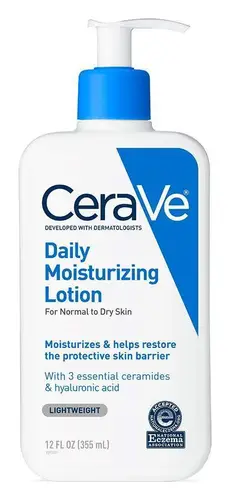
What's inside
What's inside
 Key Ingredients
No key ingredients
Benefits
Concerns
Ingredients Side-by-side
Water
Skin ConditioningGlycerin
Humectant


Sodium Cocoyl Isethionate
Cleansing
C12-15 Alkyl Benzoate
AntimicrobialMyristic Acid
Cleansing



Glyceryl Stearate Se
Emulsifying
Sodium Cocoyl Apple Amino Acids
Foam Boosting
Cetyl Alcohol
Emollient
Polyglyceryl-3 Caprate
EmulsifyingAloe Barbadensis Leaf Juice
Skin Conditioning

Bisabolol
Antioxidant
Caprylyl Glycol
Emollient
Citric Acid
Buffering

Coconut Acid
Cleansing
Corallina Officinalis Extract
Skin Conditioning
Curcuma Longa Root Extract
Antioxidant
Dipotassium Glycyrrhizate
Humectant
Disodium EDTA
ChelatingEclipta Prostrata Extract
Skin Conditioning
Ethylhexylglycerin
Skin ConditioningHexylene Glycol
EmulsifyingLauric Acid
Cleansing
Leuconostoc/Radish Root Ferment Filtrate
Antimicrobial
Melia Azadirachta Bark Extract
AntimicrobialMelia Azadirachta Flower Extract
Skin ConditioningMelia Azadirachta Leaf Extract
Skin ConditioningMoringa Oleifera Seed Oil
Emollient
Myosotis Sylvatica Flower/Leaf/Stem Extract
Skin ConditioningOcimum Basilicum Flower/Leaf Extract
TonicOcimum Sanctum Leaf Extract
Skin ConditioningPalmitic Acid
Emollient
Pentylene Glycol
Skin Conditioning
Potassium Hydroxide
BufferingPropanediol
Solvent
Propylene Glycol
Humectant
Prunus Armeniaca Kernel Extract
Skin ConditioningPunica Granatum Fruit Juice
MaskingSodium Isethionate
CleansingSodium Sulfite
Preservative
Tetrasodium Glutamate Diacetate
ChelatingTrisodium EDTA
ChelatingVitis Vinifera Seed Extract
Antimicrobial
Xanthan Gum
EmulsifyingPotassium Sorbate
Preservative
Sodium Benzoate
Masking
Water, Glycerin, Sodium Cocoyl Isethionate, C12-15 Alkyl Benzoate, Myristic Acid, Glyceryl Stearate Se, Sodium Cocoyl Apple Amino Acids, Cetyl Alcohol, Polyglyceryl-3 Caprate, Aloe Barbadensis Leaf Juice, Bisabolol, Caprylyl Glycol, Citric Acid, Coconut Acid, Corallina Officinalis Extract, Curcuma Longa Root Extract, Dipotassium Glycyrrhizate, Disodium EDTA, Eclipta Prostrata Extract, Ethylhexylglycerin, Hexylene Glycol, Lauric Acid, Leuconostoc/Radish Root Ferment Filtrate, Melia Azadirachta Bark Extract, Melia Azadirachta Flower Extract, Melia Azadirachta Leaf Extract, Moringa Oleifera Seed Oil, Myosotis Sylvatica Flower/Leaf/Stem Extract, Ocimum Basilicum Flower/Leaf Extract, Ocimum Sanctum Leaf Extract, Palmitic Acid, Pentylene Glycol, Potassium Hydroxide, Propanediol, Propylene Glycol, Prunus Armeniaca Kernel Extract, Punica Granatum Fruit Juice, Sodium Isethionate, Sodium Sulfite, Tetrasodium Glutamate Diacetate, Trisodium EDTA, Vitis Vinifera Seed Extract, Xanthan Gum, Potassium Sorbate, Sodium Benzoate





Ingredients Explained
These ingredients are found in both products.
Ingredients higher up in an ingredient list are typically present in a larger amount.
Cetyl Alcohol is a fatty alcohol. Fatty Alcohols are most often used as an emollient or to thicken a product.
Its main roles are:
Though it has "alcohol" in the name, it is not related to denatured alcohol or ethyl alcohol.
The FDA allows products labeled "alcohol-free" to have fatty alcohols.
This ingredient may not be fungal acne safe. It is a primary fatty alcohol with a chain length above 12 carbons. A study from 2019 show Malassezia can feed on fatty alcohols in this range, so it may trigger fungal acne in those prone to it.
Learn more about Cetyl AlcoholPropylene Glycol is a synthetic, colorless, odorless liquid that has been a staple in cosmetics for decades. It is a skin conditioning agent, humectant, and solvent.
As a humectant, it draw water to the skin to reduce flaking and restore suppleness. It's also a solvent that helps dissolve other actives and keeps formulas stable across temperature changes.
The CIR Expert Panel has confirmed this ingredient to be nontoxic and clinical studies show no sensitization at cosmetic use concentrations.
True allergic reactions are quite rare: a 15-year retrospective study of 6,751 patients found only 0.31% had a positive reaction (and less than half were considered clinically relevant).
It seemed that when sensitization does occur, it's most commonly linked to topical medication (like corticosteroids) and not cosmetics. Allergic contact dermatitis also appears largely limited to individuals with underlying skin conditions.
Overall, propylene glycol is a well-studied ingredient that most people can tolerate without issue.
Learn more about Propylene GlycolWater. It's the most common cosmetic ingredient of all. You'll usually see it at the top of ingredient lists, meaning that it makes up the largest part of the product.
So why is it so popular? Water most often acts as a solvent - this means that it helps dissolve other ingredients into the formulation.
You'll also recognize water as that liquid we all need to stay alive. If you see this, drink a glass of water. Remember to stay hydrated!
Learn more about Water