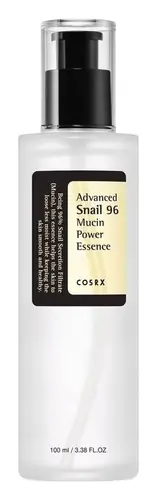
This barrier-repair toner is formulated around Bifida Ferment Lysate and Niacinamide to strengthen the skin barrier and calm redness.
This pore-care toner is formulated around Niacinamide to refine the look of pores and balance excess oil.


What's inside
What's inside
 Key Ingredients
Benefits
Concerns
Ingredients Side-by-side
Water
Skin ConditioningMethylpropanediol
SolventBifida Ferment Lysate
Skin Conditioning



Glycerin
Humectant
Niacinamide
Smoothing







Dimethicone
Emollient
Pentylene Glycol
Skin Conditioning
Dipropylene Glycol
HumectantGlycereth-26
Humectant
Centella Asiatica Extract
Cleansing
Propylene Glycol
Humectant

Maris Aqua
HumectantCeramide NP
Skin Conditioning
Panthenol
Skin Conditioning
Ceramide Ns
Skin Conditioning
Ceramide Ng
Skin Conditioning
Ceramide As
Skin Conditioning
Ceramide EOP
Skin Conditioning
Ceramide AP
Skin Conditioning
Sodium Hyaluronate
Humectant
PEG-60 Hydrogenated Castor Oil
Emulsifying

Hydroxyethyl Urea
Humectant
Bis-PEG-18 Methyl Ether Dimethyl Silane
Emollient4-T-Butylcyclohexanol
Masking

Ubiquinone
Antioxidant
PEG-10 Dimethicone
Skin Conditioning
Isononyl Isononanoate
EmollientAmmonium Acryloyldimethyltaurate/Beheneth-25 Methacrylate Crosspolymer
Emulsion StabilisingBisabolol
Antioxidant
Ectoin
Skin Conditioning
Ammonium Polyacryloyldimethyl Taurate
Emulsion StabilisingTocopherol
Antioxidant
Lactobacillus/Soymilk Ferment Filtrate
Skin ConditioningHydrogenated Lecithin
Emulsifying
Hamamelis Virginiana Extract
Antiseborrhoeic

Zingiber Officinale Root Extract
Masking
1,2-Hexanediol
Skin Conditioning
Polyacrylate Crosspolymer-6
Emulsion StabilisingC12-20 Alkyl Glucoside
EmulsifyingO-Cymen-5-Ol
Antimicrobial
Hydroxyacetophenone
Antioxidant
Dimethiconol
Emollient
Sodium Polyacrylate
Absorbent
Glucose
Humectant
Water, Methylpropanediol, Bifida Ferment Lysate, Glycerin, Niacinamide, Dimethicone, Pentylene Glycol, Dipropylene Glycol, Glycereth-26, Centella Asiatica Extract, Propylene Glycol, Maris Aqua, Ceramide NP, Panthenol, Ceramide Ns, Ceramide Ng, Ceramide As, Ceramide EOP, Ceramide AP, Sodium Hyaluronate, PEG-60 Hydrogenated Castor Oil, Hydroxyethyl Urea, Bis-PEG-18 Methyl Ether Dimethyl Silane, 4-T-Butylcyclohexanol, Ubiquinone, PEG-10 Dimethicone, Isononyl Isononanoate, Ammonium Acryloyldimethyltaurate/Beheneth-25 Methacrylate Crosspolymer, Bisabolol, Ectoin, Ammonium Polyacryloyldimethyl Taurate, Tocopherol, Lactobacillus/Soymilk Ferment Filtrate, Hydrogenated Lecithin, Hamamelis Virginiana Extract, Zingiber Officinale Root Extract, 1,2-Hexanediol, Polyacrylate Crosspolymer-6, C12-20 Alkyl Glucoside, O-Cymen-5-Ol, Hydroxyacetophenone, Dimethiconol, Sodium Polyacrylate, Glucose
Water
Skin ConditioningPyrus Malus Fruit Extract
Skin Conditioning
Castanea Crenata Shell Extract
Skin ConditioningDiospyros Kaki Leaf Extract
Skin Protecting
Propanediol
Solvent
1,2-Hexanediol
Skin Conditioning
Propylene Glycol
Humectant
Niacinamide
Smoothing
Glycerin
Humectant
Allantoin
Skin Conditioning
Aloe Barbadensis Leaf Juice
Skin Conditioning
Snail Secretion Filtrate
Skin Conditioning
Phenoxyethanol
Preservative
Ethylhexylglycerin
Skin ConditioningCucumis Sativus Fruit Extract
Emollient
Hamamelis Virginiana Leaf Extract
Skin Conditioning
Citric Acid
Buffering
Sodium Lactate
Buffering
Water, Pyrus Malus Fruit Extract, Castanea Crenata Shell Extract, Diospyros Kaki Leaf Extract, Propanediol, 1,2-Hexanediol, Propylene Glycol, Niacinamide, Glycerin, Allantoin, Aloe Barbadensis Leaf Juice, Snail Secretion Filtrate, Phenoxyethanol, Ethylhexylglycerin, Cucumis Sativus Fruit Extract, Hamamelis Virginiana Leaf Extract, Citric Acid, Sodium Lactate
Reviews
Ingredients Explained
These ingredients are found in both products.
Ingredients higher up in an ingredient list are typically present in a larger amount.
1,2-Hexanediol is a synthetic liquid and another multi-functional powerhouse.
It is a:
- Humectant, drawing moisture into the skin
- Emollient, helping to soften skin
- Solvent, dispersing and stabilizing formulas
- Preservative booster, enhancing the antimicrobial activity of other preservatives
Glycerin (or glycerol) is a compound naturally found in your skin. It's a powerhouse humectant that pulls water into the stratum corneum.
Topically, glycerin does several things at once:
Your skin makes glycerin on its own (mostly from sebaceous oil breakdown) and shuttles it to your outermost layer of skin, or your epidermis, via aquaporin-3.
Aquaporin-3 is a transporter that is essential for normal skin hydration, elasticity, and repair. Interestingly, mice lacking in AQP3 have dry and less elastic skin that can be fully corrected with glycerin.
This ingredient is non-irritating, plays well with almost every ingredient, and works across all skin types. Typical use is anywhere between 3-10% but can go up to 79% in some leave-on products.
Just know very high concentrations (>40%) can feel tacky in low humidity.
Glycerin is the name for this ingredient in American English. British English uses Glycerol/Glycerine.
Learn more about GlycerinNiacinamide is a multitasking form of vitamin B3 that strengthens the skin barrier, reduces pores and dark spots, regulates oil, and improves signs of aging.
And the best part? It's gentle and well-tolerated by most skin types, including sensitive and reactive skin.
You might have heard of "niacin flush", or the reddening of skin that causes itchiness. Niacinamide has not been found to cause this.
In very rare cases, some individuals may not be able to tolerate niacinamide at all or experience an allergic reaction to it.
If you are experiencing flaking, irritation, and dryness with this ingredient, be sure to double check all your products as this ingredient can be found in all categories of skincare.
When incorporating niacinamide into your routine, look out for concentration amounts. Typically, 5% niacinamide provides benefits such as fading dark spots. However, if you have sensitive skin, it is better to begin with a smaller concentration.
When you apply niacinamide to your skin, your body converts it into nicotinamide adenine dinucleotide (NAD). NAD is an essential coenzyme that is already found in your cells as "fuel" and powers countless biological processes.
In your skin, NAD helps repair cell damage, produce new healthy cells, support collagen production, strengthen the skin barrier, and fight environmental stressors (like UV and pollution).
Our natural NAD levels start to decline with age, leading to slower skin repair, visible aging, and a weaker skin barrier. By providing your skin niacinamide, you're recharging your skin's NAD levels. This leads to stronger, healthier, and younger looking skin.
Another name for vitamin B3 is nicotinamide. This vitamin is water-soluble and our bodies don't store it. We obtain Vitamin B3 from either food or skincare. Meat, fish, wheat, yeast, and leafy greens contain vitamin B3.
The type of niacinamide used in skincare is synthetically created.
Learn more about NiacinamidePropylene Glycol is a synthetic, colorless, odorless liquid that has been a staple in cosmetics for decades. It is a skin conditioning agent, humectant, and solvent.
As a humectant, it draw water to the skin to reduce flaking and restore suppleness. It's also a solvent that helps dissolve other actives and keeps formulas stable across temperature changes.
The CIR Expert Panel has confirmed this ingredient to be nontoxic and clinical studies show no sensitization at cosmetic use concentrations.
True allergic reactions are quite rare: a 15-year retrospective study of 6,751 patients found only 0.31% had a positive reaction (and less than half were considered clinically relevant).
It seemed that when sensitization does occur, it's most commonly linked to topical medication (like corticosteroids) and not cosmetics. Allergic contact dermatitis also appears largely limited to individuals with underlying skin conditions.
Overall, propylene glycol is a well-studied ingredient that most people can tolerate without issue.
Learn more about Propylene GlycolWater. It's the most common cosmetic ingredient of all. You'll usually see it at the top of ingredient lists, meaning that it makes up the largest part of the product.
So why is it so popular? Water most often acts as a solvent - this means that it helps dissolve other ingredients into the formulation.
You'll also recognize water as that liquid we all need to stay alive. If you see this, drink a glass of water. Remember to stay hydrated!
Learn more about Water