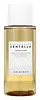
This smoothing toner is formulated around Centella Asiatica Extract and Niacinamide to refine skin texture and calm redness.
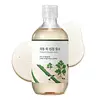
This calming toner is formulated around Panthenol and Artemisia Vulgaris Extract to calm redness and hydrate skin.

What's inside
What's inside
 Key Ingredients
Benefits
Concerns
No concerns
Ingredients Side-by-side




Water
Skin ConditioningGlycerin
Humectant


Dipropylene Glycol
Humectant1,2-Hexanediol
Skin Conditioning
Glycereth-26
Humectant
Pentylene Glycol
Skin Conditioning
Chondrus Crispus Extract
Skin Conditioning
Betaine
Humectant
Panthenol
Skin Conditioning
Saccharum Officinarum Extract
MoisturisingPropanediol
Solvent
Polyglyceryl-10 Laurate
Skin Conditioning

Xylitol
Humectant
Ethylhexylglycerin
Skin ConditioningArtemisia Princeps Leaf Extract
Skin ConditioningAllantoin
Skin Conditioning
Chlorella Vulgaris Extract
Skin ConditioningGlucose
Humectant
Dipotassium Glycyrrhizate
Humectant
Fructose
Humectant
Fructooligosaccharides
Humectant
Xanthan Gum
EmulsifyingButylene Glycol
Humectant
Carbomer
Emulsion StabilisingBiosaccharide Gum-1
Humectant
Camellia Sinensis Leaf Extract
Antimicrobial




Salvia Officinalis Oil
Masking
Theobroma Cacao Seed Extract
Antioxidant
Dextrin
AbsorbentMadecassoside
Antioxidant
Tocopherol
Antioxidant

Artemisia Vulgaris Extract
Skin Conditioning
Water, Glycerin, Dipropylene Glycol, 1,2-Hexanediol, Glycereth-26, Pentylene Glycol, Chondrus Crispus Extract, Betaine, Panthenol, Saccharum Officinarum Extract, Propanediol, Polyglyceryl-10 Laurate, Xylitol, Ethylhexylglycerin, Artemisia Princeps Leaf Extract, Allantoin, Chlorella Vulgaris Extract, Glucose, Dipotassium Glycyrrhizate, Fructose, Fructooligosaccharides, Xanthan Gum, Butylene Glycol, Carbomer, Biosaccharide Gum-1, Camellia Sinensis Leaf Extract, Salvia Officinalis Oil, Theobroma Cacao Seed Extract, Dextrin, Madecassoside, Tocopherol, Artemisia Vulgaris Extract
Reviews
Ingredients Explained
These ingredients are found in both products.
Ingredients higher up in an ingredient list are typically present in a larger amount.
1,2-Hexanediol is a synthetic liquid and another multi-functional powerhouse.
It is a:
- Humectant, drawing moisture into the skin
- Emollient, helping to soften skin
- Solvent, dispersing and stabilizing formulas
- Preservative booster, enhancing the antimicrobial activity of other preservatives
Betaine is a humectant. Like hyaluronic acid, it helps attract and retain moisture in the skin. It’s known for being gentle and for helping the skin maintain balanced hydration.
Betaine is mainly used to improve hydration and support calmer skin. It helps skin cells regulate water balance because it functions as an osmolyte.
Some studies suggest betaine may support making skin tone more even.
Fun fact: Betaine naturally exists in the skin and the body. In cosmetic products, it can be either plant-derived (most commonly from sugar beets) or synthetically produced for consistency and stability.
Betaine is also known as trimethylglycine.
Learn more about BetaineCarbomer is a synthetic thickening and gelling agent. It's basically the ingredient that gives a lot of serums, gels, creams, and sunscreens their smooth, non-sticky texture.
Although legally permitted at very high levels, carbomers are normally used at concentrations below 1%.
It also needs to be neutralized to actually thicken, and because it is a large molecule, it doesn't really penetrate the skin barrier.
Allergy-wise, the risk is very low. Clinical studies show carbomers have low potential for skin irritation/sensitization even at concentrations up to 100%.
A 2024 UK study patch-tested 1,302 patients and found true allergy to the parent group of carbomer to be rare with no confirmed relevant reactions.
Learn more about CarbomerDipotassium Glycyrrhizate comes from licorice root.
Extracts of licorice have demonstrated to have antibacterial, anti‐inflammatory, antiviral, antioxidant properties.
One component, glabridin, has extra potent antioxidant and soothing properties. It has also been found to block pigmentation from UVB rays in guinea pigs.
Licorice Root also contains a flavonoid. Flavonoids are a natural substance from in plants. Flavonoids also have antioxidant properties.
Another component, glycyrrhizin, has been found to have anti-inflammatory and antimicrobial benefits. This may make licorice root extract effective at treating acne. However, more research is needed to support this.
Liquiritin is one of the flavone compounds found in licorice. It has been found to help lighten skin by preventing tyrosinase from reacting with tyrosine. When the two react, protein is converted to melanin. Melanin is the substance in your body that gives your features pigmentation.
Licorice root is native to Southern Europe and Asia. It has been used in traditional Chinese medicine to help with respiratory issues.
Learn more about Dipotassium GlycyrrhizateDipropylene Glycol is a synthetically created humectant, stabilizer, and solvent.
This ingredient helps:
Dipropylene glycol is technically an alcohol, but it belongs to the glycol family (often considered part of the ‘good’ alcohols). This means it is hydrating and gentle on skin unlike drying solvent alcohols like denatured alcohol.
As a masking agent, Dipropylene Glycol can be used to cover the smell of other ingredients. However, it does not have a scent.
Studies show Dipropylene Glycol is considered safe to use in skincare.
Learn more about Dipropylene GlycolEthylhexylglycerin is created from glycerin. It is a multitasker ingredient that:
The CIR Expert Panel found minimal skin absorption or sensitization of any kind in a safety assessment. Though this ingredient is considered well-tolerated, a small number of cases of allergic dermatitis have been published since 2002. Just be sure to patch test if you are unsure.
Industry-reported use ranges from 8% in rinse-off products and 2% in leave-on formulations.
Learn more about EthylhexylglycerinWater. It's the most common cosmetic ingredient of all. You'll usually see it at the top of ingredient lists, meaning that it makes up the largest part of the product.
So why is it so popular? Water most often acts as a solvent - this means that it helps dissolve other ingredients into the formulation.
You'll also recognize water as that liquid we all need to stay alive. If you see this, drink a glass of water. Remember to stay hydrated!
Learn more about Water

