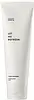
This mild foaming cleanser is made to cleanse while calming and soothing your skin.
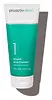
This sulfur cream cleanser is formulated around Sulfur to clear breakouts.


What's inside
What's inside
 Key Ingredients
No key ingredients
Benefits
Concerns
Ingredients Side-by-side
Avena Sativa Seed Water 30%
Solvent


Water
Skin ConditioningSodium Cocoyl Isethionate
Cleansing
Coco-Glucoside
Cleansing
Glycerin
Humectant

Glyceryl Stearate
Emollient

Butylene Glycol
Humectant
1,2-Hexanediol
Skin Conditioning
Coconut Acid
Cleansing
Sodium Methyl Cocoyl Taurate
Cleansing
Arachidyl Alcohol
Emollient
Hydroxypropyl Starch Phosphate
Coco-Betaine
Cleansing
Avena Sativa Kernel Flour
Abrasive

Behenyl Alcohol
Emollient
Sodium Isethionate
CleansingSodium Chloride
MaskingArachidyl Glucoside
EmulsifyingArginine
Masking
Caprylyl Glycol
Emollient
Capryloyl Salicylic Acid
Exfoliating



Aniba Rosodora Wood Oil
Astringent
Pentylene Glycol
Skin Conditioning
Malt Extract
Skin ProtectingGlucose
Humectant
Pueraria Lobata Root Extract
HumectantPinus Palustris Leaf Extract
TonicUlmus Davidiana Root Extract
Skin Conditioning
Oenothera Biennis Flower Extract
AstringentCitric Acid
Buffering

Linalool
Perfuming



Ethylhexylglycerin
Skin ConditioningAvena Sativa Seed Water 30%, Water, Sodium Cocoyl Isethionate, Coco-Glucoside, Glycerin, Glyceryl Stearate, Butylene Glycol, 1,2-Hexanediol, Coconut Acid, Sodium Methyl Cocoyl Taurate, Arachidyl Alcohol, Hydroxypropyl Starch Phosphate, Coco-Betaine, Avena Sativa Kernel Flour, Behenyl Alcohol, Sodium Isethionate, Sodium Chloride, Arachidyl Glucoside, Arginine, Caprylyl Glycol, Capryloyl Salicylic Acid, Aniba Rosodora Wood Oil, Pentylene Glycol, Malt Extract, Glucose, Pueraria Lobata Root Extract, Pinus Palustris Leaf Extract, Ulmus Davidiana Root Extract, Oenothera Biennis Flower Extract, Citric Acid, Linalool, Ethylhexylglycerin
Sulfur 3%
Antiseborrhoeic
Water
Skin ConditioningSodium Cocoyl Isethionate
Cleansing
Coco-Glucoside
Cleansing
Acrylates Copolymer
Coconut Acid
Cleansing
Coconut Alcohol
Emollient
Glycereth-18 Ethylhexanoate
Skin ConditioningGlycereth-18
HumectantBehenyl Alcohol
Emollient
CI 77891
Cosmetic ColorantPhenoxyethanol
Preservative
Sodium Isethionate
CleansingSodium Hydroxide
BufferingArachidyl Alcohol
Emollient
Stearyl Alcohol
Emollient
Xanthan Gum
EmulsifyingEthylhexylglycerin
Skin ConditioningGlycerin
Humectant
Tetrasodium Glutamate Diacetate
ChelatingChamomilla Recutita Flower Extract
Masking
Sulfur 3%, Water, Sodium Cocoyl Isethionate, Coco-Glucoside, Acrylates Copolymer, Coconut Acid, Coconut Alcohol, Glycereth-18 Ethylhexanoate, Glycereth-18, Behenyl Alcohol, CI 77891, Phenoxyethanol, Sodium Isethionate, Sodium Hydroxide, Arachidyl Alcohol, Stearyl Alcohol, Xanthan Gum, Ethylhexylglycerin, Glycerin, Tetrasodium Glutamate Diacetate, Chamomilla Recutita Flower Extract
Ingredients Explained
These ingredients are found in both products.
Ingredients higher up in an ingredient list are typically present in a larger amount.
Arachidyl Alcohol is a fatty alcohol made from the the arachidic acid found in peanut oil.
Despite having "alcohol" in the name, it is not related to denatured alcohol or ethanol.
This ingredient is a multitasker:
Just be sure to patch this ingredient if you have a peanut allergy (though this ingredient is highly processed and the allergenic proteins are typically removed).
Learn more about Arachidyl AlcoholBehenyl Alcohol is a type of fatty alcohol (these are different from the drying, solvent alcohols).
Fatty Alcohols have hydrating properties and are most often used as an emollient or to thicken a product. They are usually derived from natural fats and oils; behenyl alcohol is derived from the fats of vegetable oils.
Emollients help keep your skin soft and hydrated by creating a film that traps moisture in.
In 2000, Behenyl Alcohol was approved by the US as medicine to reduce the duration of cold sores.
Learn more about Behenyl AlcoholCoco-Glucoside is a surfactant, or a cleansing ingredient. It is made from glucose and coconut oil.
Surfactants help gather dirt, oil, and other pollutants from your skin to be rinsed away.
This ingredient is considered gentle and non-comedogenic. However, it may still be irritating for some.
Learn more about Coco-GlucosideCoconut acid is a mixture of fatty acids obtains by hydrolyzing coconut oil and then distilling the fatty acid portion. It works as a cleansing surfactant, emollient, and emulsifier depending on the formulation.
This ingredient is not a single compound but reflects the fatty acid profile of coconut oil itself, which is about 90% saturated.
The dominant fatty acid is lauric acid (44-54%) and then myristic acid (13-19%). There are also small amounts of caprylic, capric, palmitic, oleic, and linoleic acids.
Human testing from CIR has shown no indication this ingredient to be a primary irritant, sensitizer, or phototoxic compound. It's COSMOS-approved for natural and organic products.
Due to the fatty acid content, this ingredient may not be fungal acne safe. Research has confirmed Malassezia can use lauric acid as a food source.
Learn more about Coconut AcidEthylhexylglycerin is created from glycerin. It is a multitasker ingredient that:
The CIR Expert Panel found minimal skin absorption or sensitization of any kind in a safety assessment. Though this ingredient is considered well-tolerated, a small number of cases of allergic dermatitis have been published since 2002. Just be sure to patch test if you are unsure.
Industry-reported use ranges from 8% in rinse-off products and 2% in leave-on formulations.
Learn more about EthylhexylglycerinGlycerin (or glycerol) is a compound naturally found in your skin. It's a powerhouse humectant that pulls water into the stratum corneum.
Topically, glycerin does several things at once:
Your skin makes glycerin on its own (mostly from sebaceous oil breakdown) and shuttles it to your outermost layer of skin, or your epidermis, via aquaporin-3.
Aquaporin-3 is a transporter that is essential for normal skin hydration, elasticity, and repair. Interestingly, mice lacking in AQP3 have dry and less elastic skin that can be fully corrected with glycerin.
This ingredient is non-irritating, plays well with almost every ingredient, and works across all skin types. Typical use is anywhere between 3-10% but can go up to 79% in some leave-on products.
Just know very high concentrations (>40%) can feel tacky in low humidity.
Glycerin is the name for this ingredient in American English. British English uses Glycerol/Glycerine.
Learn more about GlycerinSodium cocoyl isethionate is a natural ingredient from coconut oil. It is an ultra gentle cleanser that gives a nice foam without drying the skin or impacting the skin barrier.
The amount of foam created depends on the amount of sodium cocoyl isethionate used in the product.
This ingredient also helps improve the spreadability of a product.
This ingredient hasn’t been shown in studies to feed fungal acne yeast.
Learn more about Sodium Cocoyl IsethionateWe don't have a description for Sodium Isethionate yet.
Water. It's the most common cosmetic ingredient of all. You'll usually see it at the top of ingredient lists, meaning that it makes up the largest part of the product.
So why is it so popular? Water most often acts as a solvent - this means that it helps dissolve other ingredients into the formulation.
You'll also recognize water as that liquid we all need to stay alive. If you see this, drink a glass of water. Remember to stay hydrated!
Learn more about Water

