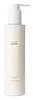
This mild cream cleanser is made to cleanse without leaving your skin tight or dry.
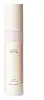
This calming day moisturizer is formulated around Schisandra Chinensis Fruit Extract and Squalane to calm redness and strengthen the skin barrier.

What's inside
What's inside
 Key Ingredients
Benefits
Concerns
Ingredients Side-by-side
Citrus Junos Peel Water 62.6%
Skin ConditioningMacadamia Integrifolia Seed Oil
Skin Conditioning



Water
Skin ConditioningLauryl Glucoside
CleansingGlycerin
Humectant

Isoamyl Laurate
Emollient
Cetearyl Alcohol
Emollient




Hydrogenated Vegetable Oil
Emollient
Cetearyl Olivate
Polyglyceryl-10 Oleate
Skin Conditioning
Glyceryl Stearate Citrate
Emollient
Sorbitan Olivate
Emulsifying
Aloe Barbadensis Leaf Extract
Emollient

Bioflavonoids
Skin ConditioningBrassica Oleracea Italica Extract
AstringentPropanediol
Solvent
Allantoin
Skin Conditioning
Tocopherol
Antioxidant




Scutellaria Baicalensis Root Extract
Astringent
Paeonia Lactiflora Root Extract
Skin ConditioningGlycyrrhiza Glabra Root Extract
Bleaching
Xanthan Gum
EmulsifyingCitric Acid
Buffering
Arginine
Masking
P-Anisic Acid
MaskingCitrus Junos Peel Water 62.6%, Macadamia Integrifolia Seed Oil, Water, Lauryl Glucoside, Glycerin, Isoamyl Laurate, Cetearyl Alcohol, Hydrogenated Vegetable Oil, Cetearyl Olivate, Polyglyceryl-10 Oleate, Glyceryl Stearate Citrate, Sorbitan Olivate, Aloe Barbadensis Leaf Extract, Bioflavonoids, Brassica Oleracea Italica Extract, Propanediol, Allantoin, Tocopherol, Scutellaria Baicalensis Root Extract, Paeonia Lactiflora Root Extract, Glycyrrhiza Glabra Root Extract, Xanthan Gum, Citric Acid, Arginine, P-Anisic Acid
Prunus Mume Fruit Water 74%
HumectantSchisandra Chinensis Fruit Extract 6%
Skin Conditioning
Squalane
Emollient
Propanediol
Solvent
Calendula Officinalis Flower Extract
Masking
Isoamyl Laurate
Emollient
Cetearyl Olivate
Water
Skin ConditioningButylene Glycol
Humectant
Cetearyl Alcohol
Emollient
Sorbitan Olivate
Emulsifying
Panthenol
Skin Conditioning
Hydrogenated Vegetable Oil
Emollient
Salix Alba Bark Extract
Astringent
Hydrogenated Olive Oil
Skin Conditioning
Olea Europaea Fruit Oil
Masking
Olea Europaea Oil Unsaponifiables
Skin Conditioning
Ceramide NP
Skin Conditioning
Allantoin
Skin Conditioning
Sodium Hyaluronate
Humectant
Arginine
Masking
Tocopherol
Antioxidant
Glycerin
Humectant
Raphanus Sativus Root Extract
AstringentScutellaria Baicalensis Root Extract
Astringent
Glycyrrhiza Glabra Root Extract
Bleaching
Paeonia Suffruticosa Root Extract
Skin ProtectingP-Anisic Acid
MaskingPelargonium Graveolens Flower Oil
Masking


Citrus Aurantium Dulcis Peel Oil
Masking
Amyris Balsamifera Bark Oil
Masking
Helianthus Annuus Seed Oil
Emollient
Prunus Mume Fruit Water 74%, Schisandra Chinensis Fruit Extract 6%, Squalane, Propanediol, Calendula Officinalis Flower Extract, Isoamyl Laurate, Cetearyl Olivate, Water, Butylene Glycol, Cetearyl Alcohol, Sorbitan Olivate, Panthenol, Hydrogenated Vegetable Oil, Salix Alba Bark Extract, Hydrogenated Olive Oil, Olea Europaea Fruit Oil, Olea Europaea Oil Unsaponifiables, Ceramide NP, Allantoin, Sodium Hyaluronate, Arginine, Tocopherol, Glycerin, Raphanus Sativus Root Extract, Scutellaria Baicalensis Root Extract, Glycyrrhiza Glabra Root Extract, Paeonia Suffruticosa Root Extract, P-Anisic Acid, Pelargonium Graveolens Flower Oil, Citrus Aurantium Dulcis Peel Oil, Amyris Balsamifera Bark Oil, Helianthus Annuus Seed Oil
Reviews
Ingredients Explained
These ingredients are found in both products.
Ingredients higher up in an ingredient list are typically present in a larger amount.
Allantoin is a soothing ingredient known for its protective and moisturizing properties; it's basically a quiet workhorse ingredient you can find in a huge range of cosmetics.
Though it can be derived from the comfrey plant, allantoin is produced synthetically for cosmetic products to ensure purity.
Research shows it can encourage your skin cells to turn over and renew by stimulating keratinocyte and fibroblast proliferation.
It also has mild keratolytic properties to help loosen and shed dead skin cells without being harsh.
Studies also suggest allantoin can help calm inflammation by dialing down some of the chemical signals your skin sends out when it is irritated.
This ingredient is typically used in the 0.1-0.5% range, and the FDA recognizes it as a skin protectant in OTC products up to 2%.
Overall, allantoin is a wonderful addition to most routines; it is stable across a wide pH range (~4-8), works well with other ingredients, and is considered non-sensitizing/non-irritating.
Fun fact: Allantoin is naturally occurring in comfrey root, beets, chamomile, and wheat sprouts. Our bodies even produce it as a byproduct of uric acid metabolism.
Learn more about AllantoinArginine is a semi-essential amino acid. This just means our bodies can product a bit on its own, but sometimes needs a little boost from food sources.
It is a part of your skin's natural moisturizing factor (NMF), or the water-loving molecules in your outermost layer of skin (stratum corneum) that keeps everything hydrated and happy.
Here's an interesting thing about Arginine: your skin converts it into urea through the Krebs-Henseleit urea cycle. Urea is one of the most effective humectants your skin naturally produces.
A clinical study showed applying 2.5% arginine hydrochloride to atopic dermatitis skin showed significant urea levels in the stratum corneum and improved moisture in just four weeks.
Arginine is also a precursor to nitric oxide; nitric oxide improves microcirculation and supports wound healing and collagen synthesis.
One study found that an amino acid complex containing Arginine reduced skin irritation, improved hydration, and accelerated skin repair in clinical / in-vivo studies.
Arginine itself is an amino acid and not a fatty acid, oil, or ester. On its own, it's not a direct food source for Malassezia, or the yeast that causes fungal acne.
Learn more about ArginineCetearyl alcohol is a waxy mixture of two fatty alcohols: cetyl alcohol and stearyl alcohol. It is an emollient and emulsifier.
Despite having "alcohol" in its name, it has nothing to do with drying solvent alcohols; the FDA also allows "alcohol-free" products to contain fatty alcohols like this ingredient.
It plays several roles in a formula:
Typical use levels for this ingredient sit around 1-10% and the Cosmetic Ingredient Review Expert Panel has affirmed safety at concentrations up to 25% in leave-on products.
Multiple assessments have found it to be non-irritating and non-sensitizing to most people.
However, there have been some cases of allergic contact dermatitis in patients with chronically compromised skin barriers.
Cetearyl alcohol has a comedogenic rating of 2 and irritancy rating of 1. Both of these numbers come from the 1989 study that used rabbit ears; a "2" means mildly comedogenic and a "1" means low irritancy.
Here's the catch: rabbit skin is more sensitive than human skin and throws a lot of false positives. A 1996 reappraisal found that ingredients rated 1-2 in the rabbit ear tests are generally safe for humans.
Remember comedogenic ratings are unable to assess the entire formula of a product or how it will react on your skin. Just be sure to patch test if you are unsure about certain ingredients.
This ingredient is not fungal acne safe. Cetearyl alcohol is a fatty alcohol with chain lengths that fall within the range that Malassezia can metabolize.
A 2019 study has also observed Malassezia growth in the presence of this ingredient, confirming it to be not-fungal acne safe.
Learn more about Cetearyl AlcoholCetearyl Olivate is a plant-derived emulsifier and texture enhancer. It helps keep the oil and water phases from separating so your formulas stay stable.
You'll likely see it combined with Sorbitan Olivate (together sold as the trade name Olivem 1000). This combination generates a liquid crystal structure that closely resemble the lipid organization of the stratum corneum.
These "skin-like" liquid crystals improve skin barrier integrity and promote the delivery of actives into the skin.
This ingredient is well-tolerated and has no significant sensitization data.
Because it is derived from the fatty acids in olive oil, this ingredient may not be fungal acne safe.
Learn more about Cetearyl OlivateGlycerin (or glycerol) is a compound naturally found in your skin. It's a powerhouse humectant that pulls water into the stratum corneum.
Topically, glycerin does several things at once:
Your skin makes glycerin on its own (mostly from sebaceous oil breakdown) and shuttles it to your outermost layer of skin, or your epidermis, via aquaporin-3.
Aquaporin-3 is a transporter that is essential for normal skin hydration, elasticity, and repair. Interestingly, mice lacking in AQP3 have dry and less elastic skin that can be fully corrected with glycerin.
This ingredient is non-irritating, plays well with almost every ingredient, and works across all skin types. Typical use is anywhere between 3-10% but can go up to 79% in some leave-on products.
Just know very high concentrations (>40%) can feel tacky in low humidity.
Glycerin is the name for this ingredient in American English. British English uses Glycerol/Glycerine.
Learn more about GlycerinGlycyrrhiza Glabra Root Extract is an extract of the roots of Licorice. It has been found to have several benefits such as skin hydrating, conditioning, and soothing.
One component, glabridin, has extra potent antioxidant and soothing properties. It has also been found to block pigmentation from UVB rays in guinea pigs.
Licorice Root also contains a flavonoid. Flavonoids are a natural substance from in plants. Flavonoids also have antioxidant properties.
Another component, glycyrrhizin, has been found to have anti-inflammatory and antimicrobial benefits. This may make licorice root extract effective at treating acne. However, more research is needed to support this.
Liquiritin is one of the flavone compounds found in licorice. It has been found to help lighten skin by preventing tyrosinase from reacting with tyrosine. When the two react, protein is converted to melanin. Melanin is the substance in your body that gives your features pigmentation.
Learn more about Glycyrrhiza Glabra Root ExtractHydrogenated Vegetable Oil is created by adding hydrogen to vegetable oil in order to give it more stability. This process also raises the melting point of vegetable oil. In cosmetics, it is an emollient.
Emollients help soothe and soften the skin. They do this by creating a protective film on your skin. This barrier helps trap moisture and keeps your skin hydrated. Emollients may be effective at treating dry or itchy skin.
The term "Hydrogenated Vegetable Oil" is an umbrella term and can refer to a variety of vegetable oils and blends of: sunflower oil, soybean oil, olive oil, coconut oil, palm oil, and more.
Due to the differences in vegetables, the benefits may vary.
Learn more about Hydrogenated Vegetable OilIsoamyl Laurate is a plant-derived and biodegradable lightweight emollient that is an Ecocert/COSMOS approved alternative to silicones.
It functions as an emollient that helps soften and hydrate skin without leaving a greasy/sticky feel.
You'll find it in a range of products from makeup to sunscreen, and typically at low percentages (~2-5%).
This ingredient is deemed safe at current cosmetic use and non-sensitizing in human studies (it's even approved as a food additive flavoring substance).
Because this ingredient is an easter of lauric acid, it falls in the C11-24 range that Malassezia can feed on, making this ingredient not fungal acne safe.
Learn more about Isoamyl Lauratep-anisic acid is an aromatic compound that is naturally found in some plants. It is mainly used as a fragrance ingredient but also has preservative and antimicrobial properties.
The effectiveness of this ingredient as a preservative and antimicrobial depends on the pH (with more acidic being better). This is the reason you'll see this ingredient bundled with other preservatives.
Propanediol is an all-star ingredient. It softens, hydrates, and smooths the skin.
It’s often used to:
Propanediol is not likely to cause sensitivity and considered safe to use. It is derived from corn or petroleum with a clear color and no scent.
Learn more about PropanediolScutellaria Baicalensis Root Extract comes from the Baikal skullcap or Chinese skullcap plant. This plant is native to Northeast Asia and can be found in China, Mongolia, Korea, and Siberia.
In cosmetics, Scutellaria Baicalensis Root Extract provides antioxidant and anti-inflammatory benefits. This is due to the flavonoid composition of Scutellaria Baicalensis Root Extract.
In Chinese traditional folk medicine, Scutellaria Baicalensis Root Extract is used to help treat lung issues and hypertension.
Learn more about Scutellaria Baicalensis Root ExtractSorbitan Olivate is created from the fatty acids in olive oil and sorbitol.
This ingredient is an oil in water emulsifier. It helps stabilize a product by preventing oils and waters from separating. Sorbitan Olivate also helps hydrate the skin.
This ingredient is also known as part of Olivem 1000, with Cetearyl Olivate being the other part.
According to a manufacturer, this ingredient helps preserve the natural microbiome of skin. Having a healthy microbiome helps keep our skin healthy and protects against harmful bacteria.
Please note, having a healthy microbiome is different from fungal acne; a healthy microbiome includes small amounts of yeast that normally live on your skin without causing problems.
Fungal acne happens when one type of yeast (Malassezia) grows out of control. This is usually because it's feeding on certain oils or fatty acids. Due to the olive oil base, this ingredient may not be fungal acne safe.
Learn more about Sorbitan OlivateTocopherol is a fat-soluble antioxidant known as Vitamin E.
You'll find this ingredient in the vast majority of skincare (for good reason). It works to neutralize free radicals, or unstable molecules generated by UV exposure, pollution, and other environmental stressors, before they can cause oxidative damage to your skin cells.
Topically applied tocopherol has been shown to protect against UV damage by ramping up the skin's own natural defense enzymes.
It also acts as a skin conditioning agent; some studies show that regular topical use can improve the skin's water-binding capacity over 2-4 weeks.
This ingredient is especially loved for being a team player. When combined with Vitamin C, the photoprotective effect of both ingredients roughly doubles and the combo also helps reduce UV-induced DNA damage.
This ingredient has some brightening potential but it's more of a prevention ingredient than spot-fader. Cell studies show it can slow down melanin production but it's worth noting that it's not the most powerful brightener out there.
In formulations, it also serves as a stabilizer that helps protect other oxidation-prone ingredients from degrading.
Concentrations usually range from 0.1-1% in most leave-on products.
Learn more about TocopherolWater. It's the most common cosmetic ingredient of all. You'll usually see it at the top of ingredient lists, meaning that it makes up the largest part of the product.
So why is it so popular? Water most often acts as a solvent - this means that it helps dissolve other ingredients into the formulation.
You'll also recognize water as that liquid we all need to stay alive. If you see this, drink a glass of water. Remember to stay hydrated!
Learn more about Water

