Simple Skincare Water Boost Micellar Cleansing Facial Gel Wash Versus Safi Acne Solutions 3 in 1 Cica Micellar Gel Cleanser


What's inside
What's inside
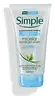 Key Ingredients
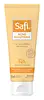
Benefits
Concerns
Ingredients Side-by-side
Water
Skin ConditioningCocamidopropyl Betaine
Cleansing


Propylene Glycol
Humectant
Hydroxypropyl Methylcellulose
Emulsion StabilisingSodium Chloride
MaskingPanthenol
Skin Conditioning



Citric Acid
Buffering

Disodium EDTA
Glycerin
Humectant
Hydroxypropyl Cyclodextrin
MaskingIodopropynyl Butylcarbamate
Preservative
Pantolactone
Humectant
Phenoxyethanol
Preservative
Potassium Chloride
Saccharide Isomerate
Humectant
Sodium Citrate
BufferingSodium Hydroxide
BufferingTocopheryl Acetate
Antioxidant

Water, Cocamidopropyl Betaine, Propylene Glycol, Hydroxypropyl Methylcellulose, Sodium Chloride, Panthenol, Citric Acid, Disodium EDTA, Glycerin, Hydroxypropyl Cyclodextrin, Iodopropynyl Butylcarbamate, Pantolactone, Phenoxyethanol, Potassium Chloride, Saccharide Isomerate, Sodium Citrate, Sodium Hydroxide, Tocopheryl Acetate
Water
Skin ConditioningAmmonium Lauryl Sulfate
Cleansing


Sodium Cocoyl Alaninate
Surfactant
Cocamidopropyl Betaine
Cleansing
Acrylates/C10-30 Alkyl Acrylate Crosspolymer
Emulsion StabilisingButylene Glycol
Humectant
Lactic Acid
Buffering




PEG-8
HumectantSodium Hydroxide
BufferingMelia Azadirachta Leaf Extract
Skin ConditioningPropylene Glycol
Humectant
Gluconolactone
Skin Conditioning

Mandelic Acid
Antimicrobial
Centella Asiatica Leaf Extract
Skin Conditioning
Salicylic Acid
Masking
Dextrin
AbsorbentPolydextrose
HumectantAmylopectin
Niacinamide
Smoothing
Methylchloroisothiazolinone
Preservative
Methylisothiazolinone
Preservative
Phenoxyethanol
Preservative
Water, Ammonium Lauryl Sulfate, Sodium Cocoyl Alaninate, Cocamidopropyl Betaine, Acrylates/C10-30 Alkyl Acrylate Crosspolymer, Butylene Glycol, Lactic Acid, PEG-8, Sodium Hydroxide, Melia Azadirachta Leaf Extract, Propylene Glycol, Gluconolactone, Mandelic Acid, Centella Asiatica Leaf Extract, Salicylic Acid, Dextrin, Polydextrose, Amylopectin, Niacinamide, Methylchloroisothiazolinone, Methylisothiazolinone, Phenoxyethanol
Reviews
Ingredients Explained
These ingredients are found in both products.
Ingredients higher up in an ingredient list are typically present in a larger amount.
Cocamidopropyl Betaine is a fatty acid created by mixing similar compounds in coconut oil and dimethylaminopropylamine, a compound with two amino groups.
This ingredient is a surfactant and cleanser. It helps gather the dirt, pollutants, and other impurities in your skin to be washed away. It also helps thicken a product and make the texture more creamy.
Being created from coconut oil means Cocamidopropyl Betaine is hydrating for the skin.
While Cocamidopropyl Betaine was believed to be an allergen, a study from 2012 disproved this. It found two compounds in unpure Cocamidopropyl Betaine to be the irritants: aminoamide and 3-dimethylaminopropylamine. High-grade and pure Cocamidopropyl Betaine did not induce allergic reactions during this study.
Learn more about Cocamidopropyl BetainePhenoxyethanol is a preservative that has germicide, antimicrobial, and aromatic properties. Studies show that phenoxyethanol can prevent microbial growth. By itself, it has a scent that is similar to that of a rose.
It's often used in formulations along with Caprylyl Glycol to preserve the shelf life of products.
Propylene Glycol is a synthetic, colorless, odorless liquid that has been a staple in cosmetics for decades. It is a skin conditioning agent, humectant, and solvent.
As a humectant, it draw water to the skin to reduce flaking and restore suppleness. It's also a solvent that helps dissolve other actives and keeps formulas stable across temperature changes.
The CIR Expert Panel has confirmed this ingredient to be nontoxic and clinical studies show no sensitization at cosmetic use concentrations.
True allergic reactions are quite rare: a 15-year retrospective study of 6,751 patients found only 0.31% had a positive reaction (and less than half were considered clinically relevant).
It seemed that when sensitization does occur, it's most commonly linked to topical medication (like corticosteroids) and not cosmetics. Allergic contact dermatitis also appears largely limited to individuals with underlying skin conditions.
Overall, propylene glycol is a well-studied ingredient that most people can tolerate without issue.
Learn more about Propylene GlycolSodium Hydroxide is also known as lye or caustic soda. It is used to adjust the pH of products; many ingredients require a specific pH to be effective.
In small amounts, sodium hydroxide is considered safe to use. However, large amounts may cause chemical burns due to its high alkaline.
Your skin has a natural pH and acid mantle. This acid mantle helps prevent harmful bacteria from breaking through. The acid mantle also helps keep your skin hydrated.
"Alkaline" refers to a high pH level. A low pH level would be considered acidic.
Learn more about Sodium HydroxideWater. It's the most common cosmetic ingredient of all. You'll usually see it at the top of ingredient lists, meaning that it makes up the largest part of the product.
So why is it so popular? Water most often acts as a solvent - this means that it helps dissolve other ingredients into the formulation.
You'll also recognize water as that liquid we all need to stay alive. If you see this, drink a glass of water. Remember to stay hydrated!
Learn more about Water
