
What's inside
What's inside
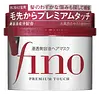 Key Ingredients
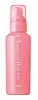
No key ingredients
Benefits
Concerns
Ingredients Side-by-side
Water
Skin ConditioningSorbitol
Humectant

Dimethicone
Emollient

Hydrogenated Rapeseed Oil
Emollient

Isopentyldiol
Humectant
Behentrimonium Chloride
Preservative
Amodimethicone
Hydroxypropyl Arginine Lauryl/Myristyl Ether Hcl
Skin ConditioningDihydroxyethyl Stearyl Glycinate
Glutamic Acid
Humectant
Trehalose
Humectant
Squalane
Emollient
Steartrimonium Chloride
Preservative
PEG-90m
Emulsion StabilisingPCA
Humectant
Phytosteryl/Octyldodecyl Lauroyl Glutamate
Skin ConditioningHydrolyzed Wheat Protein
Skin ConditioningPolyquaternium-64
Hydrolyzed Silk Gland Powder
HumectantRoyal Jelly Extract
Skin Conditioning
Isopropyl Alcohol
Solvent




Cetyl Alcohol
Emollient

Octyldodecanol
Emollient
Alcohol
Antimicrobial
Propylene Glycol
Humectant
Butylene Glycol
Humectant
Tocopherol
Antioxidant




Phenoxyethanol
Preservative
Sodium Benzoate
Masking
Parfum
Masking

CI 15985
Cosmetic ColorantWater, Sorbitol, Dimethicone, Hydrogenated Rapeseed Oil, Isopentyldiol, Behentrimonium Chloride, Amodimethicone, Hydroxypropyl Arginine Lauryl/Myristyl Ether Hcl, Dihydroxyethyl Stearyl Glycinate, Glutamic Acid, Trehalose, Squalane, Steartrimonium Chloride, PEG-90m, PCA, Phytosteryl/Octyldodecyl Lauroyl Glutamate, Hydrolyzed Wheat Protein, Polyquaternium-64, Hydrolyzed Silk Gland Powder, Royal Jelly Extract, Isopropyl Alcohol, Cetyl Alcohol, Octyldodecanol, Alcohol, Propylene Glycol, Butylene Glycol, Tocopherol, Phenoxyethanol, Sodium Benzoate, Parfum, CI 15985
Water
Skin ConditioningDimethicone
Emollient
Cetearyl Alcohol
Emollient

Neopentyl Glycol Diethylhexanoate
Emollient
Isopentyldiol
Humectant
Glycine Soja Sterols
Emollient
Dihydroxymethylsilylpropoxy Hydroxypropyl Hydrolyzed Casein
Skin ConditioningIsodecyl Neopentanoate
EmollientPEG-12 Dimethicone
Skin Conditioning
Maltitol
HumectantArginine
Masking
Glycine
Buffering
Aspartic Acid
Masking
Serine
Masking
Threonine
Valine
MaskingAlanine
Masking
Proline
Skin Conditioning
Phenylalanine
Masking
Isoleucine
Skin ConditioningHistidine
Humectant
PCA
Humectant
Sodium PCA
Humectant
Sodium Lactate
Buffering
Sorbitol
Humectant
PPG-10 Methyl Glucose Ether
Skin ConditioningPhenyl Trimethicone
Skin Conditioning
Behentrimonium Methosulfate

Butylene Glycol
Humectant
Hydroxypropyl Methylcellulose Stearoxy Ether
Glyceryl Stearate
Emollient
Cetrimonium Chloride
Antimicrobial
Citric Acid
Buffering
Disodium EDTA
Phenoxyethanol
Preservative
Water, Dimethicone, Cetearyl Alcohol, Neopentyl Glycol Diethylhexanoate, Isopentyldiol, Glycine Soja Sterols, Dihydroxymethylsilylpropoxy Hydroxypropyl Hydrolyzed Casein, Isodecyl Neopentanoate, PEG-12 Dimethicone, Maltitol, Arginine, Glycine, Aspartic Acid, Serine, Threonine, Valine, Alanine, Proline, Phenylalanine, Isoleucine, Histidine, PCA, Sodium PCA, Sodium Lactate, Sorbitol, PPG-10 Methyl Glucose Ether, Phenyl Trimethicone, Behentrimonium Methosulfate, Butylene Glycol, Hydroxypropyl Methylcellulose Stearoxy Ether, Glyceryl Stearate, Cetrimonium Chloride, Citric Acid, Disodium EDTA, Phenoxyethanol
Reviews
Ingredients Explained
These ingredients are found in both products.
Ingredients higher up in an ingredient list are typically present in a larger amount.
Butylene Glycol (or BG) is used within cosmetic products for a few different reasons:
Overall, Butylene Glycol is a safe and well-rounded ingredient that works well with other ingredients.
Though this ingredient works well with most skin types, some people with sensitive skin may experience a reaction such as allergic rashes, closed comedones, or itchiness.
Learn more about Butylene GlycolDimethicone is a type of synthetic silicone created from natural materials such as quartz. It is also known as polydimethylsiloxane.
What it does:
Dimethicone comes in different viscosities:
Depending on the viscosity, dimethicone has different properties.
Ingredients lists don't always show which type is used, so we recommend reaching out to the brand if you have questions about the viscosity.
This ingredient is unlikely to cause irritation because it does not get absorbed into skin. However, people with silicone allergies should be careful about using this ingredient.
Note: Dimethicone may contribute to pilling. This is because it is not oil or water soluble, so pilling may occur when layered with products. When mixed with heavy oils in a formula, the outcome is also quite greasy.
Learn more about DimethiconeIsopentyldiol is a synthetic solvent, humectant, and emollient.
Humectants have the ability to attract and hold water while emollients create a thin film to prevent water from evaporating. This combination keeps your skin and hair soft and hydrated. Plus, isopentyldiol does not leave a sticky feeling behind.
As a surfactant, isopentyldiol is a hydrotrope. Hydrotropes help surfactants (cleansing agents) dissolve into water.
According to the manufacturer, using this ingredient with sorbitol boosts skin hydration and helps close cuticles of damaged hair.
This ingredient is water-soluble.
Learn more about IsopentyldiolPCA is derived from amino acids and is naturally found in our skin's barrier.
As a humectant, PCA helps draw and hold moisture to the skin. Studies show it is effective at helping the skin stay hydrated long-term.
Phenoxyethanol is a preservative that has germicide, antimicrobial, and aromatic properties. Studies show that phenoxyethanol can prevent microbial growth. By itself, it has a scent that is similar to that of a rose.
It's often used in formulations along with Caprylyl Glycol to preserve the shelf life of products.
Sorbitol is a sugar alcohol. It is a hydrating and moisturizing agent created from the reduction process of glucose.
Most sorbitol is usually made from potato starch. It is also found in fruits such as apples and pears.
As a humectant, Sorbitol helps draw water to the skin. This helps keep the skin hydrated. Sorbitol also helps create a thicker texture in products. You might find sorbitol in your toothpaste and other gels.
It is a non-irritating ingredient that is great for those with dry skin.
Sorbitol is a prebiotic. It helps promote the growth of healthy bacteria on your skin. The bacteria on your skin form a microbiome. This microbiome helps protect your skin from infection and harmful bacteria.
Learn more about SorbitolWater. It's the most common cosmetic ingredient of all. You'll usually see it at the top of ingredient lists, meaning that it makes up the largest part of the product.
So why is it so popular? Water most often acts as a solvent - this means that it helps dissolve other ingredients into the formulation.
You'll also recognize water as that liquid we all need to stay alive. If you see this, drink a glass of water. Remember to stay hydrated!
Learn more about Water
