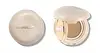
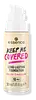
SHEGLAM Lock & Go Long Lasting Cushion Foundation Versus Essence Keep Me Covered Long-Lasting Foundation


What's inside
What's inside
 Key Ingredients
Benefits
Concerns
Ingredients Side-by-side
Water
Skin ConditioningDimethicone
Emollient

Vinyl Dimethicone/Methicone Silsesquioxane Crosspolymer

Trimethylsiloxysilicate
Emollient
Phenyl Trimethicone
Skin Conditioning
Isododecane
EmollientPEG-10 Dimethicone
Skin Conditioning
Caprylyl Methicone
Skin Conditioning
Glycerin
Humectant

Acrylates/Dimethicone Copolymer
Skin Conditioning
Butylene Glycol
Humectant
PEG-9 Polydimethylsiloxyethyl Dimethicone
Emulsifying
Dimethicone/Vinyl Dimethicone Crosspolymer
Skin Conditioning
Methyl Methacrylate Crosspolymer
Magnesium Sulfate
Phenoxyethanol
Preservative
Disteardimonium Hectorite
StabilisingMethicone
Emollient
Disodium Stearoyl Glutamate
CleansingMica
Cosmetic ColorantAlumina
Abrasive
Propylene Carbonate
SolventAluminum Hydroxide
EmollientEthylhexylglycerin
Skin ConditioningSilica
Abrasive
Triethoxycaprylylsilane
Bisabolol
Antioxidant


Lens Esculenta Seed Extract
Skin ProtectingEnantia Chlorantha Bark Extract
Skin ConditioningCinnamomum Cassia Bark Extract
Masking
Zingiber Officinale Root Extract
Masking
Sanguisorba Officinalis Root Extract
CleansingOleanolic Acid
Skin ConditioningTitanium Dioxide
Cosmetic Colorant

Iron Oxides
CI 77492
Cosmetic ColorantCI 77491
Cosmetic ColorantWater, Dimethicone, Vinyl Dimethicone/Methicone Silsesquioxane Crosspolymer, Trimethylsiloxysilicate, Phenyl Trimethicone, Isododecane, PEG-10 Dimethicone, Caprylyl Methicone, Glycerin, Acrylates/Dimethicone Copolymer, Butylene Glycol, PEG-9 Polydimethylsiloxyethyl Dimethicone, Dimethicone/Vinyl Dimethicone Crosspolymer, Methyl Methacrylate Crosspolymer, Magnesium Sulfate, Phenoxyethanol, Disteardimonium Hectorite, Methicone, Disodium Stearoyl Glutamate, Mica, Alumina, Propylene Carbonate, Aluminum Hydroxide, Ethylhexylglycerin, Silica, Triethoxycaprylylsilane, Bisabolol, Lens Esculenta Seed Extract, Enantia Chlorantha Bark Extract, Cinnamomum Cassia Bark Extract, Zingiber Officinale Root Extract, Sanguisorba Officinalis Root Extract, Oleanolic Acid, Titanium Dioxide, Iron Oxides, CI 77492, CI 77491
Water
Skin ConditioningIsododecane
EmollientC13-15 Alkane
SolventPolyglyceryl-4 Diisostearate/Polyhydroxystearate/Sebacate
Emulsifying

C12-15 Alkyl Benzoate
AntimicrobialZinc Stearate
Cosmetic ColorantPropanediol
Solvent
Magnesium Sulfate
Pentylene Glycol
Skin Conditioning
Tocopherol
Antioxidant



Ethylene Brassylate
Masking1,2-Hexanediol
Skin Conditioning
Disteardimonium Hectorite
StabilisingCaprylhydroxamic Acid
ChelatingSilica
Abrasive
Lecithin
Emollient
Propylene Carbonate
SolventStearic Acid
Cleansing
Sodium Chloride
MaskingAscorbyl Palmitate
Antioxidant
Aluminum Starch Octenylsuccinate
Absorbent
Citric Acid
Buffering
CI 77491
Cosmetic ColorantCI 77492
Cosmetic ColorantCI 77499
Cosmetic ColorantCI 77891
Cosmetic ColorantWater, Isododecane, C13-15 Alkane, Polyglyceryl-4 Diisostearate/Polyhydroxystearate/Sebacate, C12-15 Alkyl Benzoate, Zinc Stearate, Propanediol, Magnesium Sulfate, Pentylene Glycol, Tocopherol, Ethylene Brassylate, 1,2-Hexanediol, Disteardimonium Hectorite, Caprylhydroxamic Acid, Silica, Lecithin, Propylene Carbonate, Stearic Acid, Sodium Chloride, Ascorbyl Palmitate, Aluminum Starch Octenylsuccinate, Citric Acid, CI 77491, CI 77492, CI 77499, CI 77891
Reviews
Ingredients Explained
These ingredients are found in both products.
Ingredients higher up in an ingredient list are typically present in a larger amount.
Ci 77491 is also hydrated iron III oxide. It's sole purpose is to give a red/pink hue to products.
Iron III oxides are classified as inorganic chemicals for coloring.
Synthetically created Ci 77491 is considered safer than those naturally found. This is because the synthetically created version may contain less impurities. Iron oxides are generally non-toxic and non-allergenic.
Learn more about CI 77491CI 77492 is also hydrated iron III oxide. It's sole purpose is to give a yellow hue to products.
Iron III oxides are classified as inorganic chemicals for coloring.
Synthetically created CI 77492 is considered safer than those naturally found. This is because the synthetically created version may contain less impurities. Iron oxides are generally non-toxic and non-allergenic.
Learn more about CI 77492Disteardimonium Hectorite comes from the clay mineral named hectorite. It is used to add thickness to a product.
It can also help stabilize a product by helping to disperse other ingredients.
Hectorite is a rare, white clay mineral.
Learn more about Disteardimonium HectoriteIsododecane is a fragrance, emollient, and solvent.
As an emollient, it helps your skin stay soft and hydrated. Emollients help trap moisture into your skin.
Isododecane's role as a solvent makes it a great texture enhancer. It spreads smoothly on skin and does not leave a sticky feeling behind. Isododecane also helps prevent color transfer in makeup products.
Isododecane is not absorbed into skin.
The chemical name for this ingredient is 2,2,4,6,6-PENTAMETHYLHEPTANE.
Learn more about IsododecaneMagnesium Sulfate is a salt. More specifically, it is an epsom salt, or the bath salt used to help relieve muscle aches.
Despite having ‘sulfate’ in the name, it isn’t a surfactant or cleansing agent like sodium lauryl sulfate. Unlike those sulfates, magnesium sulfate doesn’t have the same cleansing or foaming properties (it's simply a type of salt).
In cosmetics, Magnesium Sulfate is used to thicken a product or help dilute other solids. It is a non-reactive and non-irritating ingredient.
One study shows magnesium deficiency may lead to inflammation of the skin. Applying magnesium topically may help reduce inflammation.
You can find this ingredient in sea water or mineral deposits.
Learn more about Magnesium SulfateThis ingredient is a solvent. It helps dissolve active ingredients and alter the texture of products.
Propylene Carbonate is commonly used in makeup and with clay, such as montmorillonite or bentonite.
Studies show this ingredient to be safe for cosmetics. When it is undiluted, it can cause skin irritation. (It is always diluted in skincare and makeup). This ingredient is water-soluble.
Propylene Carbonate is created from propylene glycol and carbonic acid.
Learn more about Propylene CarbonateSilica, also known as silicon dioxide, is a naturally occurring mineral. It is used as a fine, spherical, and porous powder in cosmetics.
Though it has exfoliant properties, the function of silica varies depending on the product.
The unique structure of silica enhances the spreadability and adds smoothness, making it a great texture enhancer.
It is also used as an active carrier, emulsifier, and mattifier due to its ability to absorb excess oil.
In some products, tiny microneedles called spicules are made from silica or hydrolyzed sponge. When you rub them in, they lightly polish away dead skin layers and enhance the penetration of active ingredients.
Learn more about SilicaWater. It's the most common cosmetic ingredient of all. You'll usually see it at the top of ingredient lists, meaning that it makes up the largest part of the product.
So why is it so popular? Water most often acts as a solvent - this means that it helps dissolve other ingredients into the formulation.
You'll also recognize water as that liquid we all need to stay alive. If you see this, drink a glass of water. Remember to stay hydrated!
Learn more about Water

