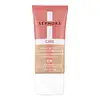
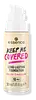
Sephora Collection Care Natural Glow Foundation Versus Essence Keep Me Covered Long-Lasting Foundation


What's inside
What's inside
 Key Ingredients
Benefits
Concerns
Ingredients Side-by-side
Water
Skin ConditioningCI 77891
Cosmetic ColorantC13-15 Alkane
SolventC15-19 Alkane
SolventPolyglyceryl-3 Diisostearate
Emulsifying




Squalane
Emollient


Glycerin
Humectant
Silica
Abrasive


Distarch Phosphate
AbsorbentPolyglyceryl-6 Oleate
Emulsifying
Dicaprylyl Ether
Emollient
Jojoba Esters
Emollient
Glyceryl Behenate
Emollient
Maltodextrin
Absorbent
Magnesium Sulfate
Sodium Chloride
MaskingHelianthus Annuus Seed Cera
Emollient
CI 77492
Cosmetic ColorantCetyl Alcohol
Emollient

Potassium Cetyl Phosphate
EmulsifyingTrihydroxystearin
Skin Conditioning
Propanediol
Solvent
Hydroxyacetophenone
Antioxidant
Sodium Dehydroacetate
Preservative
CI 77491
Cosmetic ColorantXanthan Gum
EmulsifyingSodium Hydroxide
BufferingAscorbyl Glucoside
Antioxidant

Camellia Sinensis Leaf Extract
Antimicrobial

Lactic Acid
Buffering



Acacia Decurrens Flower Cera
Emollient
Polyglycerin-3
Humectant
Citric Acid
Buffering
Tetrasodium Glutamate Diacetate
ChelatingLecithin
Emollient
CI 77499
Cosmetic ColorantTartaric Acid
Buffering
Gluconic Acid
Chelating
Tocopherol
Antioxidant
Ascorbyl Palmitate
Antioxidant
Water, CI 77891, C13-15 Alkane, C15-19 Alkane, Polyglyceryl-3 Diisostearate, Squalane, Glycerin, Silica, Distarch Phosphate, Polyglyceryl-6 Oleate, Dicaprylyl Ether, Jojoba Esters, Glyceryl Behenate, Maltodextrin, Magnesium Sulfate, Sodium Chloride, Helianthus Annuus Seed Cera, CI 77492, Cetyl Alcohol, Potassium Cetyl Phosphate, Trihydroxystearin, Propanediol, Hydroxyacetophenone, Sodium Dehydroacetate, CI 77491, Xanthan Gum, Sodium Hydroxide, Ascorbyl Glucoside, Camellia Sinensis Leaf Extract, Lactic Acid, Acacia Decurrens Flower Cera, Polyglycerin-3, Citric Acid, Tetrasodium Glutamate Diacetate, Lecithin, CI 77499, Tartaric Acid, Gluconic Acid, Tocopherol, Ascorbyl Palmitate
Water
Skin ConditioningIsododecane
EmollientC13-15 Alkane
SolventPolyglyceryl-4 Diisostearate/Polyhydroxystearate/Sebacate
Emulsifying
C12-15 Alkyl Benzoate
AntimicrobialZinc Stearate
Cosmetic ColorantPropanediol
Solvent
Magnesium Sulfate
Pentylene Glycol
Skin Conditioning
Tocopherol
Antioxidant
Ethylene Brassylate
Masking1,2-Hexanediol
Skin Conditioning
Disteardimonium Hectorite
StabilisingCaprylhydroxamic Acid
ChelatingSilica
Abrasive
Lecithin
Emollient
Propylene Carbonate
SolventStearic Acid
Cleansing
Sodium Chloride
MaskingAscorbyl Palmitate
Antioxidant
Aluminum Starch Octenylsuccinate
Absorbent
Citric Acid
Buffering
CI 77491
Cosmetic ColorantCI 77492
Cosmetic ColorantCI 77499
Cosmetic ColorantCI 77891
Cosmetic ColorantWater, Isododecane, C13-15 Alkane, Polyglyceryl-4 Diisostearate/Polyhydroxystearate/Sebacate, C12-15 Alkyl Benzoate, Zinc Stearate, Propanediol, Magnesium Sulfate, Pentylene Glycol, Tocopherol, Ethylene Brassylate, 1,2-Hexanediol, Disteardimonium Hectorite, Caprylhydroxamic Acid, Silica, Lecithin, Propylene Carbonate, Stearic Acid, Sodium Chloride, Ascorbyl Palmitate, Aluminum Starch Octenylsuccinate, Citric Acid, CI 77491, CI 77492, CI 77499, CI 77891
Ingredients Explained
These ingredients are found in both products.
Ingredients higher up in an ingredient list are typically present in a larger amount.
Ascorbyl Palmitate is a fat-soluble form of vitamin C (Ascorbic Acid) made by combining it with palmitic acid.
It is able to blend easily into creams and oil-based formulas because it dissolves in oils rather than water.
As you may know, regular vitamin C is notorious for breaking down when exposed to sunlight and air. Ascorbyl Palmitate is more stable and degrades at a slower rate.
Research on whether it converts efficiently into active vitamin C once it's applied on your skin is still limited.
Some in-vitro studies suggest it may support collagen production, but it is not considered one of the stronger vitamin C derivatives, like:
Due to the palmitic acid base, this ingredient may not be fungal acne safe. Comedogenic studies have also shown this ingredient to have a rating of 2.
It's also worth keeping in mind that comedogenic and irritancy ratings are tested on individual ingredients, not finished formulas. The final product's formulation, concentration, and other ingredients all play a role in how something actually behaves on your skin.
Learn more about Ascorbyl PalmitateC13-15 Alkane is a group of alkanes with 13 to 15 carbon atoms in the alkyl chain.
It is a solvent and texture enhancer. Solvents are used to keep ingredients together in a product. They can help dissolve ingredients to stable bases or help evenly distribute ingredients throughout the product.
Ci 77491 is also hydrated iron III oxide. It's sole purpose is to give a red/pink hue to products.
Iron III oxides are classified as inorganic chemicals for coloring.
Synthetically created Ci 77491 is considered safer than those naturally found. This is because the synthetically created version may contain less impurities. Iron oxides are generally non-toxic and non-allergenic.
Learn more about CI 77491CI 77492 is also hydrated iron III oxide. It's sole purpose is to give a yellow hue to products.
Iron III oxides are classified as inorganic chemicals for coloring.
Synthetically created CI 77492 is considered safer than those naturally found. This is because the synthetically created version may contain less impurities. Iron oxides are generally non-toxic and non-allergenic.
Learn more about CI 77492Ci 77499 is also hydrated iron III oxide. It is created from mixing red and black iron oxides. This helps give shades of darkness to a product.
Iron III oxides are classified as inorganic chemicals for coloring.
Ci 77891 is a white pigment from Titanium dioxide. It is naturally found in minerals such as rutile and ilmenite.
It's main function is to add a white color to cosmetics. It can also be mixed with other colors to create different shades.
Ci 77891 is commonly found in sunscreens due to its ability to block UV rays.
Learn more about CI 77891Citric Acid is an alpha hydroxy acid (AHA) naturally found in citrus fruits like oranges, lemons, and limes.
Like other AHAs, citric acid can exfoliate skin by breaking down the bonds that hold dead skin cells together. This helps reveal smoother and brighter skin underneath.
However, this exfoliating effect only happens at high concentrations (20%) which can be hard to find in cosmetic products.
Due to this, citric acid is usually included in small amounts as a pH adjuster. This helps keep products slightly more acidic and compatible with skin's natural pH.
In skincare formulas, citric acid can:
While it can provide some skin benefits, research shows lactic acid and glycolic acid are generally more effective and less irritating exfoliants.
Most citric acid used in skincare today is made by fermenting sugars (usually from molasses). This synthetic version is identical to the natural citrus form but easier to stabilize and use in formulations.
Rosacea skin has a lower threshold for acids generally, with 62.5% of rosacea subjects in one study reacting to lactic acid in a sting test. This is why we mark citric acid as a potential rosacea trigger.
However, this ingredient shows up as a pH adjuster or chelator at roughly 0.1-1% in many products. These low levels are unlikely to be an issue for rosacea skin and becomes a potential trigger at exfoliating concentrations (20%). Because everybody's skin is unique, we recommend a patch test if you are unsure.
Learn more about Citric AcidLecithin is a term for a group of substances found in the cell membranes of plants, animals, and humans. They are made up of phospholipids.
Thanks to its amphiphilic structure (water-loving head and oil-loving tail), it is a true multitasker:
It plays well with most ingredients and is typically used at 0.1-1%. However, concentrations up to 50% have been reported in moisturizers.
Learn more about LecithinMagnesium Sulfate is a salt. More specifically, it is an epsom salt, or the bath salt used to help relieve muscle aches.
Despite having ‘sulfate’ in the name, it isn’t a surfactant or cleansing agent like sodium lauryl sulfate. Unlike those sulfates, magnesium sulfate doesn’t have the same cleansing or foaming properties (it's simply a type of salt).
In cosmetics, Magnesium Sulfate is used to thicken a product or help dilute other solids. It is a non-reactive and non-irritating ingredient.
One study shows magnesium deficiency may lead to inflammation of the skin. Applying magnesium topically may help reduce inflammation.
You can find this ingredient in sea water or mineral deposits.
Learn more about Magnesium SulfatePropanediol is an all-star ingredient. It softens, hydrates, and smooths the skin.
It’s often used to:
Propanediol is not likely to cause sensitivity and considered safe to use. It is derived from corn or petroleum with a clear color and no scent.
Learn more about PropanediolSilica, also known as silicon dioxide, is a naturally occurring mineral. It is used as a fine, spherical, and porous powder in cosmetics.
Though it has exfoliant properties, the function of silica varies depending on the product.
The unique structure of silica enhances the spreadability and adds smoothness, making it a great texture enhancer.
It is also used as an active carrier, emulsifier, and mattifier due to its ability to absorb excess oil.
In some products, tiny microneedles called spicules are made from silica or hydrolyzed sponge. When you rub them in, they lightly polish away dead skin layers and enhance the penetration of active ingredients.
Learn more about SilicaChances are, you eat sodium chloride every day. Sodium Chloride is also known as table salt. This ingredient has many purposes in skincare: thickener, emulsifier, and exfoliator.
You'll most likely find this ingredient in cleansers where it is used to create a gel-like texture. As an emulsifier, it also prevents ingredients from separating.
You might see people debate whether Sodium Chloride is comedogenic, but there actually haven't been any comedogenic tests done on it. Either way, the overall formulation of a product matters a lot more than any single ingredient.
You might see this ingredient used in scrubs as a primary exfoliating ingredient.
Learn more about Sodium ChlorideTocopherol is a fat-soluble antioxidant known as Vitamin E.
You'll find this ingredient in the vast majority of skincare (for good reason). It works to neutralize free radicals, or unstable molecules generated by UV exposure, pollution, and other environmental stressors, before they can cause oxidative damage to your skin cells.
Topically applied tocopherol has been shown to protect against UV damage by ramping up the skin's own natural defense enzymes.
It also acts as a skin conditioning agent; some studies show that regular topical use can improve the skin's water-binding capacity over 2-4 weeks.
This ingredient is especially loved for being a team player. When combined with Vitamin C, the photoprotective effect of both ingredients roughly doubles and the combo also helps reduce UV-induced DNA damage.
This ingredient has some brightening potential but it's more of a prevention ingredient than spot-fader. Cell studies show it can slow down melanin production but it's worth noting that it's not the most powerful brightener out there.
In formulations, it also serves as a stabilizer that helps protect other oxidation-prone ingredients from degrading.
Concentrations usually range from 0.1-1% in most leave-on products.
Learn more about TocopherolWater. It's the most common cosmetic ingredient of all. You'll usually see it at the top of ingredient lists, meaning that it makes up the largest part of the product.
So why is it so popular? Water most often acts as a solvent - this means that it helps dissolve other ingredients into the formulation.
You'll also recognize water as that liquid we all need to stay alive. If you see this, drink a glass of water. Remember to stay hydrated!
Learn more about Water

