

What's inside
What's inside
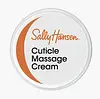 Key Ingredients
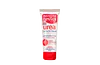
Benefits
Concerns
Ingredients Side-by-side
Water
Skin ConditioningPropylene Glycol
Humectant


Lanolin
Emollient


Cetyl Alcohol
Emollient

Urea
Buffering


Beeswax
Emulsion Stabilising
Stearyl Alcohol
Emollient
Glyceryl Stearate
Emollient
PEG-100 Stearate
Surfactant
Sorbitan Sesquioleate
Emulsifying
Isopropyl Palmitate
Emollient
Dimethicone
Emollient

Cetyl Acetate
Emollient
Acetylated Lanolin Alcohol
Emollient
Parfum
Masking

Sodium Borate
BufferingParaffinum Liquidum
Emollient
Prunus Armeniaca Kernel Oil
Masking
Imidazolidinyl Urea
Preservative
Pyrus Malus Fruit Extract
Skin Conditioning
PEG-150 Distearate
Emulsifying
Allantoin
Skin Conditioning

Soluble Collagen
Humectant
Methylparaben
Preservative

Oleic Acid
Emollient
Sorbic Acid
Preservative
Choleth-24
EmulsifyingCeteth-24
CleansingCI 14700
Cosmetic ColorantCI 47005
Cosmetic ColorantWater, Propylene Glycol, Lanolin, Cetyl Alcohol, Urea, Beeswax, Stearyl Alcohol, Glyceryl Stearate, PEG-100 Stearate, Sorbitan Sesquioleate, Isopropyl Palmitate, Dimethicone, Cetyl Acetate, Acetylated Lanolin Alcohol, Parfum, Sodium Borate, Paraffinum Liquidum, Prunus Armeniaca Kernel Oil, Imidazolidinyl Urea, Pyrus Malus Fruit Extract, PEG-150 Distearate, Allantoin, Soluble Collagen, Methylparaben, Oleic Acid, Sorbic Acid, Choleth-24, Ceteth-24, CI 14700, CI 47005
Water
Skin ConditioningUrea
Buffering
Paraffinum Liquidum
Emollient
Dimethicone
Emollient
Propylene Glycol
Humectant
Cetyl Alcohol
Emollient
Cetearyl Alcohol
Emollient
Cetearyl Ethylhexanoate
Emollient
Isopropyl Myristate
Emollient
PEG-8 Distearate
Emulsifying
Glyceryl Stearate
Emollient
Hydroxyethyl Urea
Humectant
Glycerin
Humectant
PEG-100 Stearate
Surfactant
Phenoxyethanol
Preservative
Parfum
Masking
Triethanolamine
BufferingCarbomer
Emulsion StabilisingAllantoin
Skin Conditioning
Olus Oil
Emollient
Caprylyl Glycol
Emollient
Hydrogenated Microcrystalline Wax
Emulsion StabilisingImidazolidinyl Urea
Preservative
Tetrasodium Glutamate Diacetate
ChelatingHexyl Cinnamal
Perfuming
Citronellol
Perfuming
Coumarin
Perfuming
Limonene
Perfuming
Geraniol
Perfuming
Linalool
Perfuming
Water, Urea, Paraffinum Liquidum, Dimethicone, Propylene Glycol, Cetyl Alcohol, Cetearyl Alcohol, Cetearyl Ethylhexanoate, Isopropyl Myristate, PEG-8 Distearate, Glyceryl Stearate, Hydroxyethyl Urea, Glycerin, PEG-100 Stearate, Phenoxyethanol, Parfum, Triethanolamine, Carbomer, Allantoin, Olus Oil, Caprylyl Glycol, Hydrogenated Microcrystalline Wax, Imidazolidinyl Urea, Tetrasodium Glutamate Diacetate, Hexyl Cinnamal, Citronellol, Coumarin, Limonene, Geraniol, Linalool
Ingredients Explained
These ingredients are found in both products.
Ingredients higher up in an ingredient list are typically present in a larger amount.
Allantoin is a soothing ingredient known for its protective and moisturizing properties; it's basically a quiet workhorse ingredient you can find in a huge range of cosmetics.
Though it can be derived from the comfrey plant, allantoin is produced synthetically for cosmetic products to ensure purity.
Research shows it can encourage your skin cells to turn over and renew by stimulating keratinocyte and fibroblast proliferation.
It also has mild keratolytic properties to help loosen and shed dead skin cells without being harsh.
Studies also suggest allantoin can help calm inflammation by dialing down some of the chemical signals your skin sends out when it is irritated.
This ingredient is typically used in the 0.1-0.5% range, and the FDA recognizes it as a skin protectant in OTC products up to 2%.
Overall, allantoin is a wonderful addition to most routines; it is stable across a wide pH range (~4-8), works well with other ingredients, and is considered non-sensitizing/non-irritating.
Fun fact: Allantoin is naturally occurring in comfrey root, beets, chamomile, and wheat sprouts. Our bodies even produce it as a byproduct of uric acid metabolism.
Learn more about AllantoinCetyl Alcohol is a fatty alcohol. Fatty Alcohols are most often used as an emollient or to thicken a product.
Its main roles are:
Though it has "alcohol" in the name, it is not related to denatured alcohol or ethyl alcohol.
The FDA allows products labeled "alcohol-free" to have fatty alcohols.
This ingredient may not be fungal acne safe. It is a primary fatty alcohol with a chain length above 12 carbons. A study from 2019 show Malassezia can feed on fatty alcohols in this range, so it may trigger fungal acne in those prone to it.
Learn more about Cetyl AlcoholDimethicone is a type of synthetic silicone created from natural materials such as quartz. It is also known as polydimethylsiloxane.
What it does:
Dimethicone comes in different viscosities:
Depending on the viscosity, dimethicone has different properties.
Ingredients lists don't always show which type is used, so we recommend reaching out to the brand if you have questions about the viscosity.
This ingredient is unlikely to cause irritation because it does not get absorbed into skin. However, people with silicone allergies should be careful about using this ingredient.
Note: Dimethicone may contribute to pilling. This is because it is not oil or water soluble, so pilling may occur when layered with products. When mixed with heavy oils in a formula, the outcome is also quite greasy.
Learn more about DimethiconeGlyceryl Stearate is made by reacting glycerin with stearic acid (typically sourced from plant oils like palm or coconut). It's an emulsifier, emollient, and mild occlusive.
Emulsifiers help ingredients like oil and water stay mixed so your formula stays nicely blended and uniform in texture.
This ingredient is typically used in concentrations between 1-10%. Studies have found it to be non-sensitizing, non-phototoxic, and non-photoallergenic.
A close cousin of this ingredient is Glyceryl Stearate SE ("self-emulsifying"). This just has a small amount of sodium or potassium stearate added so it can emulsify without a co-emulsifier.
Since this ingredient is an ester of a C18 fatty acid, it may not be fungal acne safe. The Malassezia yeast can potentially metabolize within the C11-C24 range.
Fun fact: The human body also creates Glyceryl Stearate naturally.
Learn more about Glyceryl StearateImidazolidinyl Urea is a synthetic antimicrobial preservative. It works by slowly releasing small amounts of formaldehyde to keep bacteria, yeast, and mold from growing.
Just so you know, the formaldehyde released at typical use concentrations (up to 0.6% in the EU and typically 0.1-0.3% in the US) are tiny. The CIR Expert Panel has reaffirmed its safety as a cosmetic ingredient at current use concentrations in 2023. It's also not mutagenic in cell studies.
However, it is a known contact sensitizer with about a 1-2% contact allergy rate.
Other formaldehyde releasers include Diazolidinyl Urea or DMDM Hydantoin.
Learn more about Imidazolidinyl UreaParaffinum Liquidum is a highly-refined cosmetic-grade mineral oil. It is also known as liquid paraffin.
Despite its controversial reputation, the science is pretty clear: it's one of the most well-studied and effective moisturizing ingredients out there.
As an occlusive, it forms a protective layer on the skin that locks in moisture and prevents transepidermal water loss (TEWL). This makes it especially great for compromised skin barriers.
The "it clogs your pores" myth has been around for decades; a study found that industrial-grade mineral oil may be comedogenic but cosmetic-grade mineral oil is not (these two are very, very different).
A 2017 review concluded that cosmetic use of mineral oils and waxes does not present a risk to consumers due to absorption.
Mineral oil got a bad rap from the old rabbit ear studies. When tested on actual human skin, cosmetic-grade mineral oil showed no comedogenic activity. The rating of 0 is a correction of outdated science.
Mineral oil is an inert substance with no fatty acids so there's nothing to feed Malassezia. This ingredient is fungal acne safe.
Learn more about Paraffinum LiquidumParfum is a catch-all term for an ingredient or more that is used to give a scent to products.
Also called "fragrance", this ingredient can be a blend of hundreds of chemicals or plant oils. This means every product with "fragrance" or "parfum" in the ingredients list is a different mixture.
For instance, Habanolide is a proprietary trade name for a specific aroma chemical. When used as a fragrance ingredient in cosmetics, most aroma chemicals fall under the broad labeling category of “FRAGRANCE” or “PARFUM” according to EU and US regulations.
The term 'parfum' or 'fragrance' is not regulated in many countries. In many cases, it is up to the brand to define this term.
For instance, many brands choose to label themselves as "fragrance-free" because they are not using synthetic fragrances. However, their products may still contain ingredients such as essential oils that are considered a fragrance by INCI standards.
One example is Calendula flower extract. Calendula is an essential oil that still imparts a scent or 'fragrance'.
Depending on the blend, the ingredients in the mixture can cause allergies and sensitivities on the skin. Some ingredients that are known EU allergens include linalool and citronellol.
Parfum can also be used to mask or cover an unpleasant scent.
The bottom line is: not all fragrances/parfum/ingredients are created equally. If you are worried about fragrances, we recommend taking a closer look at an ingredient. And of course, we always recommend speaking with a professional.
Learn more about ParfumPeg-100 Stearate is an emollient and emulsifier. As an emollient, it helps keep skin soft by trapping moisture in. On the other hand, emulsifiers help prevent oil and water from separating in a product.
PEGS are a hydrophilic polyether compound . There are 100 ethylene oxide monomers in Peg-100 Stearate. Peg-100 Stearate is polyethylene glycol ester of stearic acid.
Propylene Glycol is a synthetic, colorless, odorless liquid that has been a staple in cosmetics for decades. It is a skin conditioning agent, humectant, and solvent.
As a humectant, it draw water to the skin to reduce flaking and restore suppleness. It's also a solvent that helps dissolve other actives and keeps formulas stable across temperature changes.
The CIR Expert Panel has confirmed this ingredient to be nontoxic and clinical studies show no sensitization at cosmetic use concentrations.
True allergic reactions are quite rare: a 15-year retrospective study of 6,751 patients found only 0.31% had a positive reaction (and less than half were considered clinically relevant).
It seemed that when sensitization does occur, it's most commonly linked to topical medication (like corticosteroids) and not cosmetics. Allergic contact dermatitis also appears largely limited to individuals with underlying skin conditions.
Overall, propylene glycol is a well-studied ingredient that most people can tolerate without issue.
Learn more about Propylene GlycolUrea is also called carbamide and is the diamide of carbonic acid. In cosmetics, urea is used to hydrate the skin. It also provides exfoliation in higher concentrations.
As a humectant, urea helps draw moisture from the air and from deep within the skin. This helps hydrate your skin. Studies show urea is an effective moisturizer for dry skin conditions. 40% urea is typical in medications for treating eczema and other skin conditions.
Urea has the strongest exfoliation effect in concentrations higher than 10%. It is a keratolytic agent, meaning it breaks down the keratin protein in the top layer of skin. This helps remove dead skin cells and flaking skin.
In medicine, urea has been shown to help increase the potency of other ingredients, such as fungal treatments.
Humans and animals use urea to metabolize nitrogen-containing compounds. Urea is highly soluble in water. Once dissolved, it is neither acidic nor alkaline.
Urea is actually one of the more well-studied and well-supported ingredients out there if you have eczema.
Clinical trials have shown that urea creams in the 5 - 10% range can:
Higher concentrations (20 -30%) can also help with thickened, scaly patches but is also more likely to sting on active flares.
Skip urea if you have rosacea. The AAD (American Academy of Dermatology) lists it alongside alcohol, menthol, and fragrance as a potential irritant for rosacea-prone skin. Urea's keratolytic and penetration-enhancing properties can trigger stinging, burning, and redness.
As always, your skin is unique, so definitely check in with your dermatologist.
Learn more about UreaWater. It's the most common cosmetic ingredient of all. You'll usually see it at the top of ingredient lists, meaning that it makes up the largest part of the product.
So why is it so popular? Water most often acts as a solvent - this means that it helps dissolve other ingredients into the formulation.
You'll also recognize water as that liquid we all need to stay alive. If you see this, drink a glass of water. Remember to stay hydrated!
Learn more about Water

