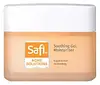
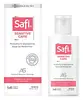
Safi Acne Solutions Soothing Gel Moisturiser Versus Safi Sensitive Care Probiotics & Niacinamide Aqua Gel Moisturiser
This acne moisturizer is formulated around Niacinamide and Mandelic Acid to clear breakouts and calm redness.
This calming moisturizer is formulated around Niacinamide and Bisabolol to calm redness and strengthen the skin barrier.

What's inside
What's inside
 Key Ingredients
Benefits
Concerns
Ingredients Side-by-side
Water
Skin ConditioningNiacinamide
Smoothing











Betaine
Humectant
Glycerin
Humectant
Butylene Glycol
Humectant
Biosaccharide Gum-1
Humectant
Dimethicone
Emollient
Cyclopentasiloxane
Emollient
Carbomer
Emulsion StabilisingCyclohexasiloxane
Emollient
Trideceth-6
EmulsifyingBisabolol
Antioxidant
Sodium Polyacrylate
Absorbent
Aminomethyl Propanol
BufferingXanthan Gum
EmulsifyingPEG/PPG-18/18 Dimethicone
Emulsifying
Disodium EDTA
Sodium Hyaluronate
Humectant
Diethylhexyl Syringylidenemalonate
Skin Protecting
Mandelic Acid
Antimicrobial


Melia Azadirachta Leaf Extract
Skin ConditioningCaprylic/Capric Triglyceride
Masking
Salicylic Acid
Masking



Parfum
Masking

Phenoxyethanol
Preservative
Chlorphenesin
Antimicrobial
CI 15510
Cosmetic ColorantCI 14700
Cosmetic ColorantWater, Niacinamide, Betaine, Glycerin, Butylene Glycol, Biosaccharide Gum-1, Dimethicone, Cyclopentasiloxane, Carbomer, Cyclohexasiloxane, Trideceth-6, Bisabolol, Sodium Polyacrylate, Aminomethyl Propanol, Xanthan Gum, PEG/PPG-18/18 Dimethicone, Disodium EDTA, Sodium Hyaluronate, Diethylhexyl Syringylidenemalonate, Mandelic Acid, Melia Azadirachta Leaf Extract, Caprylic/Capric Triglyceride, Salicylic Acid, Parfum, Phenoxyethanol, Chlorphenesin, CI 15510, CI 14700
Water
Skin ConditioningNiacinamide
Smoothing
Glycerin
Humectant
Betaine
Humectant
Butylene Glycol
Humectant
Biosaccharide Gum-1
Humectant
Dimethicone
Emollient
Cyclopentasiloxane
Emollient
Carbomer
Emulsion StabilisingCyclohexasiloxane
Emollient
Bisabolol
Antioxidant
Aminomethyl Propanol
BufferingSodium Polyacrylate
Absorbent
Xanthan Gum
EmulsifyingDisodium EDTA
Sodium Hyaluronate
Humectant
Diethylhexyl Syringylidenemalonate
Skin Protecting
Trideceth-6
EmulsifyingPEG/PPG-18/18 Dimethicone
Emulsifying
Zinc Lactate
Alpha-Glucan Oligosaccharide
Cleansing
Salicylic Acid
Masking
Caprylic/Capric Triglyceride
Masking
Polymnia Sonchifolia Root Juice
Skin ConditioningDextrin
AbsorbentPolydextrose
HumectantMaltodextrin
Absorbent
Amylopectin
Zingiber Officinale Root Extract
Masking
Glycyrrhiza Glabra Root Extract
Bleaching
Anthemis Nobilis Flower Extract
Masking
Aloe Barbadensis Leaf Extract
Emollient
Lactobacillus
Skin ConditioningPhenoxyethanol
Preservative
Chlorphenesin
Antimicrobial
Water, Niacinamide, Glycerin, Betaine, Butylene Glycol, Biosaccharide Gum-1, Dimethicone, Cyclopentasiloxane, Carbomer, Cyclohexasiloxane, Bisabolol, Aminomethyl Propanol, Sodium Polyacrylate, Xanthan Gum, Disodium EDTA, Sodium Hyaluronate, Diethylhexyl Syringylidenemalonate, Trideceth-6, PEG/PPG-18/18 Dimethicone, Zinc Lactate, Alpha-Glucan Oligosaccharide, Salicylic Acid, Caprylic/Capric Triglyceride, Polymnia Sonchifolia Root Juice, Dextrin, Polydextrose, Maltodextrin, Amylopectin, Zingiber Officinale Root Extract, Glycyrrhiza Glabra Root Extract, Anthemis Nobilis Flower Extract, Aloe Barbadensis Leaf Extract, Lactobacillus, Phenoxyethanol, Chlorphenesin
Reviews
Ingredients Explained
These ingredients are found in both products.
Ingredients higher up in an ingredient list are typically present in a larger amount.
Aminomethyl Propanol is used to adjust the pH of products. It is also used as a base to create other organic compounds. Having a balanced pH is important for protecting your skin.
Aminomethyl propanol is safe to use in cosmetics up to 1%. It is soluble in water.
Betaine is a humectant. Like hyaluronic acid, it helps attract and retain moisture in the skin. It’s known for being gentle and for helping the skin maintain balanced hydration.
Betaine is mainly used to improve hydration and support calmer skin. It helps skin cells regulate water balance because it functions as an osmolyte.
Some studies suggest betaine may support making skin tone more even.
Fun fact: Betaine naturally exists in the skin and the body. In cosmetic products, it can be either plant-derived (most commonly from sugar beets) or synthetically produced for consistency and stability.
Betaine is also known as trimethylglycine.
Learn more about BetaineBiosaccharide Gum-1 is a sugar created by fermenting sorbitol (which usually comes from potato starch!). It is known for its soothing and moisturizing properties.
Manufacturer tests show this ingredient helped reduce irritation from lactic acid by almost half and kept skin hydrated long-term as a humectant
Beyond hydration, Biosaccharide Gum-1 gives formulas a silky, non-sticky feel.
This ingredient is gentle, versatile, and suitable for all skin types.
Fun fact: Similar sugars can be found naturally in fruits like apples and pears.
Learn more about Biosaccharide Gum-1Bisabolol is a gentle skin conditioner, antioxidant, and soothing ingredient.
It's primary claim to fame is soothing and research shows topically applied bisabolol can quiet the chemical messengers that cause your skin to become inflamed, helping to sooth any irritation.
A clinical study found that applying 0.5% bisabolol daily for 8 weeks produced an average 9% decrease in skin pigmentation. Researchers found it can also suppress the process that leads to excess melanin production in skin.
In vitro studies found that bisabolol combined with propylene glycol significantly increased skin permeability by increasing lipid fluidity in the stratum corneum.
You'll likely see use concentrations quite low, usually 0.1-0.2%.
Overall, this is a well-tolerated ingredient that works well in formulas designed for sensitive, reactive, or post-procedure skin.
Learn more about BisabololButylene Glycol (or BG) is used within cosmetic products for a few different reasons:
Overall, Butylene Glycol is a safe and well-rounded ingredient that works well with other ingredients.
Though this ingredient works well with most skin types, some people with sensitive skin may experience a reaction such as allergic rashes, closed comedones, or itchiness.
Learn more about Butylene GlycolCaprylic/Capric Triglyceride (aka MCT Oil) is a lightweight emollient, solvent, and texture enhancer. It is considered a skin-softener by helping to prevent moisture loss.
Though it behaves like an oil, it is not technically one due to its chemical composition. One perk of this ingredient is that it is very stable, resistant to oxidation, and unlikely to go rancid.
In practice, that translates to a long shelf life and a consistently elegant skin feel.
While there is an assumption Caprylic Triglyceride can clog pores due to it being derived from coconut oil, there is no research supporting this. Just patch test if you have concerns.
Fractionated coconut oil and MCT Oil are both listed as Caprylic/Capric Triglyceride according to INCI. This is because INCI names are based on the ingredient’s final chemical composition and not its marketing name or source.
This ingredient is treated as the gold standard fungal acne safe oil. Even though it is coconut derived, the problematic lauric acid is stripped out.
This leaves just caprylic (C8) and capric (C10) acid. These chain lengths actually trend antifungal; a 2020 study found caprylic acid was enough to disrupt Malassezia furfur cell membrane, with a caprylic acid derivative damaging membrane structures at concentrations as low as 0.2%.
Learn more about Caprylic/Capric TriglycerideCarbomer is a synthetic thickening and gelling agent. It's basically the ingredient that gives a lot of serums, gels, creams, and sunscreens their smooth, non-sticky texture.
Although legally permitted at very high levels, carbomers are normally used at concentrations below 1%.
It also needs to be neutralized to actually thicken, and because it is a large molecule, it doesn't really penetrate the skin barrier.
Allergy-wise, the risk is very low. Clinical studies show carbomers have low potential for skin irritation/sensitization even at concentrations up to 100%.
A 2024 UK study patch-tested 1,302 patients and found true allergy to the parent group of carbomer to be rare with no confirmed relevant reactions.
Learn more about CarbomerChlorphenesin is a synthetic preservative. It helps protect a product against bacteria in order to extend shelf life. In most cases, Chlorphenesin is paired with other preservatives such as phenoxyethanol and caprylyl glycol.
Chlorphenesin is a biocide. This means it is able to help fight the microorganisms on our skin. It is also able to fight odor-releasing bacteria.
Chlorphenesin is soluble in both water and glycerin.
Studies show Chlorphenesin is easily absorbed by our skin. You should speak with a skincare professional if you have concerns about using Chlorphenesin.
Learn more about ChlorphenesinCyclohexasiloxane is a type of silicone more commonly known as D6. It is an emollient and solvent.
Cyclohexasiloxane is used to evenly distribute ingredients throughout the product. When applied to the skin, Cyclohexasiloxane evaporates and leaves behind a silky feel.
As an emollient, it can help the skin feel soft and hydrated. It is also used to reduce frizz in hair products.
Learn more about CyclohexasiloxaneCyclopentasiloxane (D5) is a lightweight silicone that mostly acts as an emollient and solvent in cosmetics. Its the reason your products feel silky, fast-spreading, and non-greasy.
Since D5 is volatile, it does its thing and then evaporates off the skin quickly.
The safety profile of this ingredient is reassuring; the US CIR Expert Panel concluded D5 is safe as used in cosmetics and Health Canada concluded that D5 is not harmful to human health or the environment as currently used in cosmetics
There's a study that people mention about D5 in a rat study showing tumors. This study is related to long-term inhalation of high D5 levels.
Regulatory bodies have judged this study to be not applicable in topical skincare since skin absorption of D5 is very low and we're not really inhaling huge amounts of D5.
The only restriction for this ingredient is environmental. The European Chemicals Agency (ECHA) restricted D5 in wash-off cosmetics at or above 0.1% due to their persistence in water.
Learn more about CyclopentasiloxaneDiethylhexyl Syringylidenemalonate (DESM) is a photostabilizer, antioxidant, and SPF booster.
One of DESM's main roles is stabilizing UV filters, especially avobenzone. Avobenzone is notoriously unstable when exposed to sunlight. By enhancing the stability of these filters, DESM helps maintain the sunscreen's effectivess through wear. It also helps improve protection against long-wave UVA rays by increasing the wavelength of the formula.
Besides enhancing UVA protection, DESM can boost the SPF of high-SPF formulations by up to 5 units.
DESM also preserves the color integrity of cosmetic products and helps reduce the chance of yellowing of fading due to light exposure.
This ingredient is typically found in concentrations between 0.3% - 0.5%. There are currently no maximum usage limits by regulatory bodies.
Though this ingredient is a chemical UV filter, it can often be found in "100% mineral" sunscreens. This is due to regulatory loopholes.
Learn more about Diethylhexyl SyringylidenemalonateDimethicone is a type of synthetic silicone created from natural materials such as quartz. It is also known as polydimethylsiloxane.
What it does:
Dimethicone comes in different viscosities:
Depending on the viscosity, dimethicone has different properties.
Ingredients lists don't always show which type is used, so we recommend reaching out to the brand if you have questions about the viscosity.
This ingredient is unlikely to cause irritation because it does not get absorbed into skin. However, people with silicone allergies should be careful about using this ingredient.
Note: Dimethicone may contribute to pilling. This is because it is not oil or water soluble, so pilling may occur when layered with products. When mixed with heavy oils in a formula, the outcome is also quite greasy.
Learn more about DimethiconeDisodium EDTA is a chelating agent. It grabs onto and deactivates metal ions that sneak into your products from water, packaging, or air.
This ingredient mainly works behind the scenes and helps with:
On top of that, this ingredient can counteract the effects of hard water by binding to the minerals in it.
One thing worth knowing is that Disodium EDTA has been shown to be a mild penetration enhancer. It can help other ingredients absorb into skin more effectively which can be a double-edged sword (great for actives, but can also make the active too strong if you have sensitive skin).
Clinical patch testing showed no significant skin irritation at typical use concentrations and minimal dermal absorption.
You'll most likely see this ingredient near the end of an ingredient list. It's typically found in concentrations less than 1%.
Learn more about Disodium EDTAGlycerin (or glycerol) is a compound naturally found in your skin. It's a powerhouse humectant that pulls water into the stratum corneum.
Topically, glycerin does several things at once:
Your skin makes glycerin on its own (mostly from sebaceous oil breakdown) and shuttles it to your outermost layer of skin, or your epidermis, via aquaporin-3.
Aquaporin-3 is a transporter that is essential for normal skin hydration, elasticity, and repair. Interestingly, mice lacking in AQP3 have dry and less elastic skin that can be fully corrected with glycerin.
This ingredient is non-irritating, plays well with almost every ingredient, and works across all skin types. Typical use is anywhere between 3-10% but can go up to 79% in some leave-on products.
Just know very high concentrations (>40%) can feel tacky in low humidity.
Glycerin is the name for this ingredient in American English. British English uses Glycerol/Glycerine.
Learn more about GlycerinNiacinamide is a multitasking form of vitamin B3 that strengthens the skin barrier, reduces pores and dark spots, regulates oil, and improves signs of aging.
And the best part? It's gentle and well-tolerated by most skin types, including sensitive and reactive skin.
You might have heard of "niacin flush", or the reddening of skin that causes itchiness. Niacinamide has not been found to cause this.
In very rare cases, some individuals may not be able to tolerate niacinamide at all or experience an allergic reaction to it.
If you are experiencing flaking, irritation, and dryness with this ingredient, be sure to double check all your products as this ingredient can be found in all categories of skincare.
When incorporating niacinamide into your routine, look out for concentration amounts. Typically, 5% niacinamide provides benefits such as fading dark spots. However, if you have sensitive skin, it is better to begin with a smaller concentration.
When you apply niacinamide to your skin, your body converts it into nicotinamide adenine dinucleotide (NAD). NAD is an essential coenzyme that is already found in your cells as "fuel" and powers countless biological processes.
In your skin, NAD helps repair cell damage, produce new healthy cells, support collagen production, strengthen the skin barrier, and fight environmental stressors (like UV and pollution).
Our natural NAD levels start to decline with age, leading to slower skin repair, visible aging, and a weaker skin barrier. By providing your skin niacinamide, you're recharging your skin's NAD levels. This leads to stronger, healthier, and younger looking skin.
Another name for vitamin B3 is nicotinamide. This vitamin is water-soluble and our bodies don't store it. We obtain Vitamin B3 from either food or skincare. Meat, fish, wheat, yeast, and leafy greens contain vitamin B3.
The type of niacinamide used in skincare is synthetically created.
Learn more about NiacinamidePEG/PPG-18/18 Dimethicone is a modified version of dimethicone with emulsifying properties. It helps add a silky and lightweight feel to products like sunscreens and foundations.
Its unique structure allows it to bridge the gap between water-loving and oil-loving ingredients. This makes it especially good at creating stable, velvety, and elegant formulations.
Phenoxyethanol is one of the most widely used preservatives in skincare (and for good reason!).
It has a large spectrum of antimicrobial activity and especially effective bacteria, yeast, and mold while only having a weak effect on your skin's natural microbiome.
On a cellular level, it disrupts the cell membranes of microbes by poking holes that make the cell leak. This shuts down the chemical reactions the microbe needs to make energy so it can no longer survive.
Another perk of this ingredient is that it stays functional across a wide pH range (3-10).
You'll often see it paired with boosters like Ethylhexylglycerin; one study showed that a 1:9 ratio of Ethylhexylglycerin to Phenoxyethanol damages bacterial membranes as effectively as doubling the Phenoxyethanol concentration on its own.
Typical use concentrations range from 0.3-1% depending on the formula, and this ingredient is capped at 1% int the EU.
Safety-wise, the fear mongering does not hold up to the evidence. The EU's Scientific Committee on Consumer Safety and FDA consider it safe as a preservative at up to 1%, including for children of all ages.
Adverse systemic effects only showed up in animal studies at exposures roughly 200x higher than what people get from cosmetics. And despite its very widespread use, this ingredient is a rare sensitizer and allergic reactions are uncommon.
Learn more about PhenoxyethanolSalicylic Acid (also known as beta hydroxy acid or BHA) is a well-known ingredient for treating skin that struggles with acne and clogged pores. It exfoliates both the skin's surface and deep within the pores to help clear out buildup, control oil, and reduce inflammation.
Unlike AHAs (alpha hydroxy acids), salicylic acid is oil-soluble. This allows it to penetrate into pores which makes it especially effective for treating blackheads and preventing future breakouts.
Salicylic acid is also known for its soothing properties. It has a similar structure to aspirin and can calm inflamed or irritated skin, making it a good option for acne-prone skin that is also sensitive.
Concentrations of 0.5-2% are recognized by the U.S. FDA as an over-the-counter topical acne product.
It can cause irritation and/or dryness if one's skin already has a compromised moisture barrier, so it's best to focus on repairing that before introducing this ingredient into your routine.
While salicylic acid does not increase sun sensitivity, it’s still important to wear sunscreen daily to protect your skin.
If you are looking for the ingredient called BHA or Butylated Hydroxyanisole, click here.
Learn more about Salicylic AcidSodium Hyaluronate is the salt form of hyaluronic acid. It is a long sugar chain that is naturally found in your skin, joints, and connective tissue that maintains hydration and elasticity.
In skincare, it works as a humectant. It pulls water from the environment and deeper layers of skin and binds it to the surface.
Interestingly, the size of the molecule affects its behavior:
Some clinical evidence links low molecular weight versions to improved wrinkle depth, elasticity, anti-inflammatory effects, and barrier repair.
Many serums use a blend of both weights so you can get surface hydration plus longer-lasting and deeper effects.
You'll typically see concentrations between 0.1-2% for this ingredient.
Learn more about Sodium HyaluronateSodium Polyacrylate is the sodium salt of polyacrylic acid. It is used as an absorber, emollient, and stabilizer.
This ingredient is a super-absorbent polymer - meaning it can absorb 100 to 1000 times its mass in water. As an emollient, Sodium Polyacrylate helps soften and soothe skin. Emollients work by creating a barrier to trap moisture in. This helps keep your skin hydrated.
We don't have a description for Trideceth-6 yet.
Water. It's the most common cosmetic ingredient of all. You'll usually see it at the top of ingredient lists, meaning that it makes up the largest part of the product.
So why is it so popular? Water most often acts as a solvent - this means that it helps dissolve other ingredients into the formulation.
You'll also recognize water as that liquid we all need to stay alive. If you see this, drink a glass of water. Remember to stay hydrated!
Learn more about WaterXanthan gum is used as a stabilizer and thickener within cosmetic products. It helps give products a sticky, thick feeling - preventing them from being too runny.
On the technical side of things, xanthan gum is a polysaccharide - a combination consisting of multiple sugar molecules bonded together.
Xanthan gum is a pretty common and great ingredient. It is a natural, non-toxic, non-irritating ingredient that is also commonly used in food products.
Learn more about Xanthan Gum

