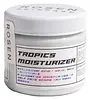
This brightening moisturizer is formulated around Kojic Acid to fade the look of dark spots and brighten dull-looking skin.
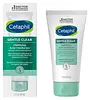
This acne moisturizer is formulated around Aluminum Starch Octenylsuccinate and Salicylic Acid to clear breakouts and balance excess oil.

What's inside
What's inside
 Key Ingredients
Benefits
Concerns
Ingredients Side-by-side

Water
Skin ConditioningButylene Glycol
Humectant

Dimethicone
Emollient

Cetearyl Alcohol
Emollient






Sodium Polyacrylate
Absorbent
Glycerin
Humectant
Ceteareth-20
Cleansing
Ethylhexyl Palmitate
Emollient
Hydrogenated Polydecene
EmollientCetyl Alcohol
Emollient
Stearyl Alcohol
Emollient
Aluminum Starch Octenylsuccinate
Absorbent
Phenoxyethanol
Preservative
PPG-2 Myristyl Ether Propionate
Emollient
Alpha-Glucan Oligosaccharide
Cleansing
Salicylic Acid
Masking






Polysorbate 60
Emulsifying
Squalane
Emollient
Caprylic/Capric Glycerides
EmollientCaprylyl Glycol
Emollient
Zinc Gluconate
Skin Conditioning
C12-15 Alkyl Lactate
EmollientMorus Alba Root Extract
BleachingAllantoin
Skin Conditioning

Bisabolol
Antioxidant
Ethylhexylglycerin
Skin ConditioningHexylene Glycol
EmulsifyingSafflower Oil/Palm Oil Aminopropanediol Esters
Skin Conditioning
Sodium Hydroxide
BufferingPPG-5-Laureth-5
EmollientKojic Acid
Antioxidant

Disodium EDTA
ChelatingHydroxypropyl Cyclodextrin
MaskingSophora Angustifolia Root Extract
Skin ConditioningArctostaphylos Uva Ursi Leaf Extract
Skin Conditioning
Glycyrrhiza Glabra Root Extract
Bleaching
Polyquaternium-11
Scutellaria Baicalensis Root Extract
Astringent
Sodium Hyaluronate
Humectant
Water, Butylene Glycol, Dimethicone, Cetearyl Alcohol, Sodium Polyacrylate, Glycerin, Ceteareth-20, Ethylhexyl Palmitate, Hydrogenated Polydecene, Cetyl Alcohol, Stearyl Alcohol, Aluminum Starch Octenylsuccinate, Phenoxyethanol, PPG-2 Myristyl Ether Propionate, Alpha-Glucan Oligosaccharide, Salicylic Acid, Polysorbate 60, Squalane, Caprylic/Capric Glycerides, Caprylyl Glycol, Zinc Gluconate, C12-15 Alkyl Lactate, Morus Alba Root Extract, Allantoin, Bisabolol, Ethylhexylglycerin, Hexylene Glycol, Safflower Oil/Palm Oil Aminopropanediol Esters, Sodium Hydroxide, PPG-5-Laureth-5, Kojic Acid, Disodium EDTA, Hydroxypropyl Cyclodextrin, Sophora Angustifolia Root Extract, Arctostaphylos Uva Ursi Leaf Extract, Glycyrrhiza Glabra Root Extract, Polyquaternium-11, Scutellaria Baicalensis Root Extract, Sodium Hyaluronate
Reviews
Alternatives
Ingredients Explained
These ingredients are found in both products.
Ingredients higher up in an ingredient list are typically present in a larger amount.
Cetyl Alcohol is a fatty alcohol. Fatty Alcohols are most often used as an emollient or to thicken a product.
Its main roles are:
Though it has "alcohol" in the name, it is not related to denatured alcohol or ethyl alcohol.
The FDA allows products labeled "alcohol-free" to have fatty alcohols.
This ingredient may not be fungal acne safe. It is a primary fatty alcohol with a chain length above 12 carbons. A study from 2019 show Malassezia can feed on fatty alcohols in this range, so it may trigger fungal acne in those prone to it.
Learn more about Cetyl AlcoholKojic Acid is a naturally occurring organic acid that is produced during the fermentation of certain fungi. It is one of the most well-studied brightening ingredients (tyrosinase inhibitors) out there.
That's why you'll see Kojic Acid in products that target dark spots, hyperpigmentation, and general uneven skin tone. It also pairs well with other brightening actives like Alpha Arbutin, Glycolic Acid, and Vitamin C derivatives.
By latching onto the copper that the enzyme tyrosinase needs to function, Kojic Acid prevents less pigment from being made. It's so well-established that researchers regularly use it as the go-to benchmark when testing new brightening ingredients.
Some other perks include documented antioxidant and antimicrobial properties. The The CIR (Cosmetic Ingredient Review) Expert Panel concluded Kojic Acid is safe for use in cosmetic products at concentrations up to 1% and the EU's SCCS (Scientific Committee on Consumer Safety) considers it safe as a skin lightening agent at concentrations up to 0.7%.
One thing to know about Kojic Acid is that stability is its weak spot; it is sensitive to light, heat, and air exposure and will oxidize/turn brown in formulations. Its derivative, Kojic Dipalmitate, was developed as a stable alternative.
Some individuals have reported contact sensitization so be sure to patch test if you have reactive or sensitive skin.
Fun fact: It was first discovered in 1907 and naturally occurs in the production of sake, soy sauce, and miso.
Learn more about Kojic AcidWater. It's the most common cosmetic ingredient of all. You'll usually see it at the top of ingredient lists, meaning that it makes up the largest part of the product.
So why is it so popular? Water most often acts as a solvent - this means that it helps dissolve other ingredients into the formulation.
You'll also recognize water as that liquid we all need to stay alive. If you see this, drink a glass of water. Remember to stay hydrated!
Learn more about Water

