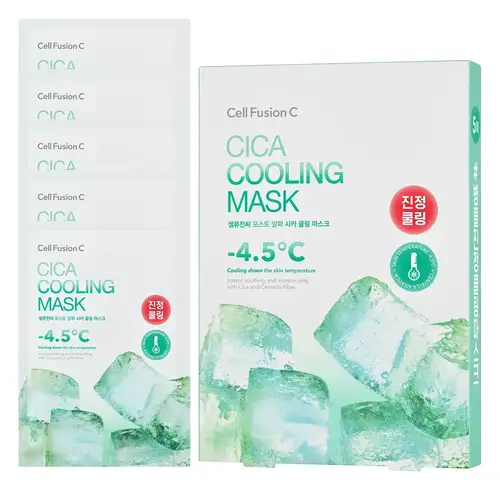
This oil-control sheet mask is formulated around Silica and Dipotassium Glycyrrhizate to balance excess oil and refine the look of pores.
This calming sheet mask is formulated around Panthenol and Centella Asiatica Extract to calm redness and strengthen the skin barrier.


What's inside
What's inside
 Key Ingredients
Benefits
Concerns
No concerns
Ingredients Side-by-side
Water
Skin ConditioningButylene Glycol
Humectant

Glycerin
Humectant
Pentylene Glycol
Skin Conditioning
Calamine
AbsorbentSilica
Abrasive


Inositol
Humectant
Dipotassium Glycyrrhizate
Humectant

Centella Asiatica Leaf Extract
Skin Conditioning
Melia Azadirachta Leaf Extract
Skin ConditioningPrunus Persica Leaf Extract
Emollient
Houttuynia Cordata Extract
Skin Conditioning
Aloe Barbadensis Leaf Extract
Emollient
Cynara Scolymus Leaf Extract
Skin ConditioningSaccharide Isomerate
Humectant
Hydroxyethyl Urea
Humectant
Inulin
Skin Conditioning
Bis-Ethoxydiglycol Cyclohexane 1,4-Dicarboxylate
EmollientPropanediol
Solvent
PEG-12 Dimethicone
Skin Conditioning
Styrene/Vp Copolymer
Caprylhydroxamic Acid
ChelatingDisodium EDTA
ChelatingCyanocobalamin
Skin ConditioningPEG-4
HumectantPhenoxyethanol
Preservative
Water, Butylene Glycol, Glycerin, Pentylene Glycol, Calamine, Silica, Inositol, Dipotassium Glycyrrhizate, Centella Asiatica Leaf Extract, Melia Azadirachta Leaf Extract, Prunus Persica Leaf Extract, Houttuynia Cordata Extract, Aloe Barbadensis Leaf Extract, Cynara Scolymus Leaf Extract, Saccharide Isomerate, Hydroxyethyl Urea, Inulin, Bis-Ethoxydiglycol Cyclohexane 1,4-Dicarboxylate, Propanediol, PEG-12 Dimethicone, Styrene/Vp Copolymer, Caprylhydroxamic Acid, Disodium EDTA, Cyanocobalamin, PEG-4, Phenoxyethanol
Water
Skin ConditioningButylene Glycol
Humectant
Glycerin
Humectant
Dipropylene Glycol
Humectant1,2-Hexanediol
Skin Conditioning
Panthenol
Skin Conditioning
Centella Asiatica Extract
Cleansing
Madecassic Acid
Skin Conditioning
Asiaticoside
Antioxidant
Asiatic Acid
Skin Conditioning
Madecassoside
Antioxidant
Allantoin
Skin Conditioning
Swertia Japonica Extract
Skin ConditioningNymphaea Caerulea Flower Extract
Skin ConditioningLactobacillus Ferment
Skin Conditioning
Althaea Rosea Flower Extract
Skin ConditioningHydrolyzed Hyaluronic Acid
Humectant
Dipeptide-2
Skin Conditioning
Dipotassium Glycyrrhizate
Humectant
Propanediol
Solvent
Isopentyldiol
Humectant
Glyceryl Acrylate/Acrylic Acid Copolymer
HumectantPolyglyceryl-4 Oleate
Emulsifying

Sodium Stearoyl Glutamate
CleansingPvm/Ma Copolymer
Emulsion StabilisingSodium Surfactin
CleansingCarbomer
Emulsion StabilisingXanthan Gum
EmulsifyingTromethamine
BufferingMelia Azadirachta Leaf Extract
Skin ConditioningMelia Azadirachta Flower Extract
Skin ConditioningDisodium EDTA
ChelatingEthylhexylglycerin
Skin ConditioningWater, Butylene Glycol, Glycerin, Dipropylene Glycol, 1,2-Hexanediol, Panthenol, Centella Asiatica Extract, Madecassic Acid, Asiaticoside, Asiatic Acid, Madecassoside, Allantoin, Swertia Japonica Extract, Nymphaea Caerulea Flower Extract, Lactobacillus Ferment, Althaea Rosea Flower Extract, Hydrolyzed Hyaluronic Acid, Dipeptide-2, Dipotassium Glycyrrhizate, Propanediol, Isopentyldiol, Glyceryl Acrylate/Acrylic Acid Copolymer, Polyglyceryl-4 Oleate, Sodium Stearoyl Glutamate, Pvm/Ma Copolymer, Sodium Surfactin, Carbomer, Xanthan Gum, Tromethamine, Melia Azadirachta Leaf Extract, Melia Azadirachta Flower Extract, Disodium EDTA, Ethylhexylglycerin
Reviews
Ingredients Explained
These ingredients are found in both products.
Ingredients higher up in an ingredient list are typically present in a larger amount.
Butylene Glycol (or BG) is used within cosmetic products for a few different reasons:
Overall, Butylene Glycol is a safe and well-rounded ingredient that works well with other ingredients.
Though this ingredient works well with most skin types, some people with sensitive skin may experience a reaction such as allergic rashes, closed comedones, or itchiness.
Learn more about Butylene GlycolDipotassium Glycyrrhizate comes from licorice root.
Extracts of licorice have demonstrated to have antibacterial, anti‐inflammatory, antiviral, antioxidant properties.
One component, glabridin, has extra potent antioxidant and soothing properties. It has also been found to block pigmentation from UVB rays in guinea pigs.
Licorice Root also contains a flavonoid. Flavonoids are a natural substance from in plants. Flavonoids also have antioxidant properties.
Another component, glycyrrhizin, has been found to have anti-inflammatory and antimicrobial benefits. This may make licorice root extract effective at treating acne. However, more research is needed to support this.
Liquiritin is one of the flavone compounds found in licorice. It has been found to help lighten skin by preventing tyrosinase from reacting with tyrosine. When the two react, protein is converted to melanin. Melanin is the substance in your body that gives your features pigmentation.
Licorice root is native to Southern Europe and Asia. It has been used in traditional Chinese medicine to help with respiratory issues.
Learn more about Dipotassium GlycyrrhizateDisodium EDTA is a chelating agent. It grabs onto and deactivates metal ions that sneak into your products from water, packaging, or air.
This ingredient mainly works behind the scenes and helps with:
On top of that, this ingredient can counteract the effects of hard water by binding to the minerals in it.
One thing worth knowing is that Disodium EDTA has been shown to be a mild penetration enhancer. It can help other ingredients absorb into skin more effectively which can be a double-edged sword (great for actives, but can also make the active too strong if you have sensitive skin).
Clinical patch testing showed no significant skin irritation at typical use concentrations and minimal dermal absorption.
You'll most likely see this ingredient near the end of an ingredient list. It's typically found in concentrations less than 1%.
Learn more about Disodium EDTAGlycerin (or glycerol) is a compound naturally found in your skin. It's a powerhouse humectant that pulls water into the stratum corneum.
Topically, glycerin does several things at once:
Your skin makes glycerin on its own (mostly from sebaceous oil breakdown) and shuttles it to your outermost layer of skin, or your epidermis, via aquaporin-3.
Aquaporin-3 is a transporter that is essential for normal skin hydration, elasticity, and repair. Interestingly, mice lacking in AQP3 have dry and less elastic skin that can be fully corrected with glycerin.
This ingredient is non-irritating, plays well with almost every ingredient, and works across all skin types. Typical use is anywhere between 3-10% but can go up to 79% in some leave-on products.
Just know very high concentrations (>40%) can feel tacky in low humidity.
Glycerin is the name for this ingredient in American English. British English uses Glycerol/Glycerine.
Learn more about GlycerinThis ingredient is also known as neem leaf extract. It contains natural compounds like nimbidin, quercetin, and other polyphenols that give it antibacterial, antifungal, and anti-inflammatory activity.
Lab studies have shown neem leaf extract can inhibit acne-related bacteria and help calm skin. Animal studies on wound gels using 1-3% neem leaf extract found it sped up healing without causing irritation.
A wound-healing study testing gels with the extract at 1%, 2%, and 3% concentrations and found none of them irritated the skin.
Most commercial products also use it in a similar low range (typically under 5%).
Allergy-wise, there are some case reports on neem oil causing allergic contact dermatitis so people with plant/botanical sensitivities may want to patch test first.
Learn more about Melia Azadirachta Leaf ExtractPropanediol is an all-star ingredient. It softens, hydrates, and smooths the skin.
It’s often used to:
Propanediol is not likely to cause sensitivity and considered safe to use. It is derived from corn or petroleum with a clear color and no scent.
Learn more about PropanediolWater. It's the most common cosmetic ingredient of all. You'll usually see it at the top of ingredient lists, meaning that it makes up the largest part of the product.
So why is it so popular? Water most often acts as a solvent - this means that it helps dissolve other ingredients into the formulation.
You'll also recognize water as that liquid we all need to stay alive. If you see this, drink a glass of water. Remember to stay hydrated!
Learn more about Water