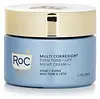
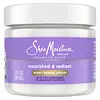
RoC Multi Correxion Even Tone + Lift Night Cream Versus Shea Moisture Melanin Care Night Repair Cream
This brightening night moisturizer is formulated around Niacinamide and Hexylresorcinol to fade the look of dark spots and refine skin texture.
This brightening night moisturizer is formulated around Niacinamide and Butyrospermum Parkii Butter to fade the look of dark spots and strengthen the skin barrier.


What's inside
What's inside
 Key Ingredients
Benefits
Concerns
Ingredients Side-by-side
Water
Skin ConditioningNiacinamide
Smoothing











Glycerin
Humectant
Dimethicone
Emollient
Steareth-2
EmulsifyingEthylhexyl Palmitate
Emollient




Isononyl Isononanoate
EmollientPropylene Glycol
Humectant
Butyrospermum Parkii Butter
Skin Conditioning
Propanediol
Solvent
Methyl Methacrylate Crosspolymer
Behenyl Alcohol
Emollient
Steareth-21
CleansingHexylresorcinol
Antimicrobial
Ascorbyl Glucoside
Antioxidant

Sclerotium Gum
Emulsion StabilisingXylitol
Humectant
Xylitylglucoside
Humectant
Ammonium Acryloyldimethyltaurate/Vp Copolymer
Anhydroxylitol
Humectant
Dimethicone Crosspolymer
Emulsion Stabilising
Caprylhydroxamic Acid
ChelatingDisodium EDTA
Chelating1,2-Hexanediol
Skin Conditioning
Sodium Hydroxide
BufferingParfum
Masking


Water, Niacinamide, Glycerin, Dimethicone, Steareth-2, Ethylhexyl Palmitate, Isononyl Isononanoate, Propylene Glycol, Butyrospermum Parkii Butter, Propanediol, Methyl Methacrylate Crosspolymer, Behenyl Alcohol, Steareth-21, Hexylresorcinol, Ascorbyl Glucoside, Sclerotium Gum, Xylitol, Xylitylglucoside, Ammonium Acryloyldimethyltaurate/Vp Copolymer, Anhydroxylitol, Dimethicone Crosspolymer, Caprylhydroxamic Acid, Disodium EDTA, 1,2-Hexanediol, Sodium Hydroxide, Parfum
Water
Skin ConditioningIsopropyl Palmitate
Emollient
Glycerin
Humectant
Dimethicone
Emollient
Niacinamide
Smoothing
Triolein
Skin Conditioning
Shea Butter Ethyl Esters
Emollient
Steareth-21
CleansingStearic Acid
Cleansing
Butyrospermum Parkii Butter
Skin Conditioning
Sambucus Nigra Fruit Extract
AstringentTheobroma Cacao Seed Extract
Antioxidant
Tocopherol
Antioxidant
Steareth-2
EmulsifyingDimethicone Crosspolymer
Emulsion Stabilising
Cetyl Alcohol
Emollient
Saccharide Isomerate
Humectant
Acrylates/C10-30 Alkyl Acrylate Crosspolymer
Emulsion StabilisingPentaerythrityl Tetra-Di-T-Butyl Hydroxyhydrocinnamate
Antioxidant
Iodopropynyl Butylcarbamate
Preservative
Phenoxyethanol
Preservative
Water, Isopropyl Palmitate, Glycerin, Dimethicone, Niacinamide, Triolein, Shea Butter Ethyl Esters, Steareth-21, Stearic Acid, Butyrospermum Parkii Butter, Sambucus Nigra Fruit Extract, Theobroma Cacao Seed Extract, Tocopherol, Steareth-2, Dimethicone Crosspolymer, Cetyl Alcohol, Saccharide Isomerate, Acrylates/C10-30 Alkyl Acrylate Crosspolymer, Pentaerythrityl Tetra-Di-T-Butyl Hydroxyhydrocinnamate, Iodopropynyl Butylcarbamate, Phenoxyethanol
Ingredients Explained
These ingredients are found in both products.
Ingredients higher up in an ingredient list are typically present in a larger amount.
This ingredient is also known as shea butter. It is a plant-derived extract from the nuts of the Africa shea tree and one of the most well-studied emollients.
Because it has a high concentration of fatty acids (primarily oleic, stearic, and linoleic) it is able to form a protective barrier on the skin's surface. This helps seal in moisture and prevents transepidermal water loss (TEWL).
In vitro research found an increase in skin hydration by 58% and a decrease in TEWL by 37.8% after 24 hours of applying this ingredient (pretty impressive for a single ingredient!).
Besides hydration, shea butter also contains triterpenes that have anti-inflammatory potential. In particule, lupeol cinnamate has shown the highest anti-inflammatory activity in vivo.
Shea butter also contains vitamins A and E which may contribute to antioxidant activity.
While Shea Butter has an SPF rating of about 3-4, it is not a sunscreen replacement.
This ingredient may not be fungal acne safe because its fatty acids fall within the C11-C24 range that the Malassezia yeast can metabolize.
This ingredient shows up on a lot of "pore-clogging" lists but there's no real evidence behind that. It doesn't even have a comedogenic rating from an actual study; the numbers you'll find online come from blogs citing other blogs.
Ratings for other ingredients mostly come from a 1980s rabbit ear test. This test doesn't translate well to human skin or to real products because the ingredient sits at a much lower percentage.
Some people still find it breaks them out. So if that's you, definitely trust your skin. Just know this one's based on experience and not evidence.
Learn more about Butyrospermum Parkii ButterDimethicone is a type of synthetic silicone created from natural materials such as quartz. It is also known as polydimethylsiloxane.
What it does:
Dimethicone comes in different viscosities:
Depending on the viscosity, dimethicone has different properties.
Ingredients lists don't always show which type is used, so we recommend reaching out to the brand if you have questions about the viscosity.
This ingredient is unlikely to cause irritation because it does not get absorbed into skin. However, people with silicone allergies should be careful about using this ingredient.
Note: Dimethicone may contribute to pilling. This is because it is not oil or water soluble, so pilling may occur when layered with products. When mixed with heavy oils in a formula, the outcome is also quite greasy.
Learn more about DimethiconeDimethicone Crosspolymer is a silicone created by modifying dimethicone with hydrocarbon side chains. Due to its large size, it does not penetrate skin. It is considered non-occlusive.
Dimethicone Crosspolymer is used to stabilize and thicken products. It also helps give products a silky feel.
Glycerin (or glycerol) is a compound naturally found in your skin. It's a powerhouse humectant that pulls water into the stratum corneum.
Topically, glycerin does several things at once:
Your skin makes glycerin on its own (mostly from sebaceous oil breakdown) and shuttles it to your outermost layer of skin, or your epidermis, via aquaporin-3.
Aquaporin-3 is a transporter that is essential for normal skin hydration, elasticity, and repair. Interestingly, mice lacking in AQP3 have dry and less elastic skin that can be fully corrected with glycerin.
This ingredient is non-irritating, plays well with almost every ingredient, and works across all skin types. Typical use is anywhere between 3-10% but can go up to 79% in some leave-on products.
Just know very high concentrations (>40%) can feel tacky in low humidity.
Glycerin is the name for this ingredient in American English. British English uses Glycerol/Glycerine.
Learn more about GlycerinNiacinamide is a multitasking form of vitamin B3 that strengthens the skin barrier, reduces pores and dark spots, regulates oil, and improves signs of aging.
And the best part? It's gentle and well-tolerated by most skin types, including sensitive and reactive skin.
You might have heard of "niacin flush", or the reddening of skin that causes itchiness. Niacinamide has not been found to cause this.
In very rare cases, some individuals may not be able to tolerate niacinamide at all or experience an allergic reaction to it.
If you are experiencing flaking, irritation, and dryness with this ingredient, be sure to double check all your products as this ingredient can be found in all categories of skincare.
When incorporating niacinamide into your routine, look out for concentration amounts. Typically, 5% niacinamide provides benefits such as fading dark spots. However, if you have sensitive skin, it is better to begin with a smaller concentration.
When you apply niacinamide to your skin, your body converts it into nicotinamide adenine dinucleotide (NAD). NAD is an essential coenzyme that is already found in your cells as "fuel" and powers countless biological processes.
In your skin, NAD helps repair cell damage, produce new healthy cells, support collagen production, strengthen the skin barrier, and fight environmental stressors (like UV and pollution).
Our natural NAD levels start to decline with age, leading to slower skin repair, visible aging, and a weaker skin barrier. By providing your skin niacinamide, you're recharging your skin's NAD levels. This leads to stronger, healthier, and younger looking skin.
Another name for vitamin B3 is nicotinamide. This vitamin is water-soluble and our bodies don't store it. We obtain Vitamin B3 from either food or skincare. Meat, fish, wheat, yeast, and leafy greens contain vitamin B3.
The type of niacinamide used in skincare is synthetically created.
Learn more about NiacinamideSteareth-2 is a waxy compound used to emulsify ingredients. It is created from polyethylene glycol and stearyl alcohol. The 2 stands for the number of ethylene oxide units used to create this ingredient.
Due to the low degree of ethoxylation, the molecule stays mostly oil-loving. That's why you'll often see it paired with water-loving steareth-20 or steareth-21 to create elegant emulsions.
In testing, this ingredient was nontoxic in acute oral studies and not a skin irritant or sensitizer.
You might hear concerns about 1,4-dioxane as a byproduct of ethoxylation; this is well-known in the industry and is controlled through purification steps before the ingredient is blended into finished products.
Learn more about Steareth-2Steareth-21 is a nonionic emulsifier made by reacting stearyl alcohol with 21 units of ethylene oxide. It is mainly a cleansing agent and emulsifier.
The "21" in the name just tells you it has a longer water-loving chain. This makes it more gentle and less likely to irritate skin compared to lower-numbered steareths.
You'll most likely see it paired with steareth-2 because the two work together to create stable formulations.
1,4-dioxane is often brought up as a concern but this is usually removed through purification.
Learn more about Steareth-21Water. It's the most common cosmetic ingredient of all. You'll usually see it at the top of ingredient lists, meaning that it makes up the largest part of the product.
So why is it so popular? Water most often acts as a solvent - this means that it helps dissolve other ingredients into the formulation.
You'll also recognize water as that liquid we all need to stay alive. If you see this, drink a glass of water. Remember to stay hydrated!
Learn more about Water

