This oil-control exfoliator is formulated around Camellia Sinensis Leaf Extract to balance excess oil.
This tartaric acid powder cleanser is formulated around Tartaric Acid to exfoliate and smooth skin.


What's inside
What's inside
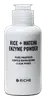 Key Ingredients
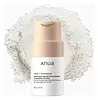
Benefits
Concerns
Ingredients Side-by-side
Oryza Sativa Starch
AbsorbentGlucose
Humectant

Oryza Sativa Powder
Sodium Cocoyl Isethionate
Cleansing
Zea Mays Starch
Absorbent
Propolis Extract
Skin Conditioning




Carica Papaya Fruit Extract
Skin ConditioningSorbitol
Humectant
Allantoin
Skin Conditioning
Xanthan Gum
EmulsifyingMentha Arvensis Powder
MaskingSodium Ascorbyl Phosphate
Antioxidant





Parfum
Masking




Ribes Nigrum Fruit Extract
Astringent
Tanacetum Annuum Flower Oil
Masking
Maltodextrin
Absorbent
Saccharomyces/Collagen/Pineapple Fruit Juice Ferment Filtrate
Emollient
Hydrolyzed Carrot Extract
Skin ConditioningCamellia Sinensis Leaf Extract
Antimicrobial
Lactobacillus
Skin ConditioningLeuconostoc/Radish Root Ferment Filtrate
Antimicrobial
Sodium Benzoate
Masking
Potassium Sorbate
Preservative
Oryza Sativa Starch, Glucose, Oryza Sativa Powder, Sodium Cocoyl Isethionate, Zea Mays Starch, Propolis Extract, Carica Papaya Fruit Extract, Sorbitol, Allantoin, Xanthan Gum, Mentha Arvensis Powder, Sodium Ascorbyl Phosphate, Parfum, Ribes Nigrum Fruit Extract, Tanacetum Annuum Flower Oil, Maltodextrin, Saccharomyces/Collagen/Pineapple Fruit Juice Ferment Filtrate, Hydrolyzed Carrot Extract, Camellia Sinensis Leaf Extract, Lactobacillus, Leuconostoc/Radish Root Ferment Filtrate, Sodium Benzoate, Potassium Sorbate
Zea Mays Starch
Absorbent
CI 77004
Cosmetic ColorantSodium Bicarbonate
Abrasive
Sodium Cocoyl Isethionate
Cleansing
Sodium Lauroyl Glutamate
SurfactantCitric Acid
Buffering
Sodium Polyacrylate
Absorbent
Diglycerin
Humectant
Allantoin
Skin Conditioning
Water
Skin ConditioningMaltodextrin
Absorbent
Papain
Skin Conditioning
Oryza Sativa Powder
Oryza Sativa Lees Extract
Skin ConditioningOryza Sativa Bran Water
Masking
Butylene Glycol
Humectant
1,2-Hexanediol
Skin Conditioning
Ceramide NP
Skin Conditioning
Ascorbic Acid
Antioxidant
Alpha-Arbutin
Antioxidant
Glucose
Humectant
Oryza Sativa Extract
Absorbent
Protease
Exfoliating
Dipropylene Glycol
HumectantGlycerin
Humectant
Tartaric Acid
Buffering
Lactic Acid
Buffering
Oryza Sativa Seed Protein
Antioxidant
Hydrolyzed Rice Protein
Skin ConditioningCaprylyl Glycol
Emollient
Zea Mays Starch, CI 77004, Sodium Bicarbonate, Sodium Cocoyl Isethionate, Sodium Lauroyl Glutamate, Citric Acid, Sodium Polyacrylate, Diglycerin, Allantoin, Water, Maltodextrin, Papain, Oryza Sativa Powder, Oryza Sativa Lees Extract, Oryza Sativa Bran Water, Butylene Glycol, 1,2-Hexanediol, Ceramide NP, Ascorbic Acid, Alpha-Arbutin, Glucose, Oryza Sativa Extract, Protease, Dipropylene Glycol, Glycerin, Tartaric Acid, Lactic Acid, Oryza Sativa Seed Protein, Hydrolyzed Rice Protein, Caprylyl Glycol
Reviews
Ingredients Explained
These ingredients are found in both products.
Ingredients higher up in an ingredient list are typically present in a larger amount.
Allantoin is a soothing ingredient known for its protective and moisturizing properties; it's basically a quiet workhorse ingredient you can find in a huge range of cosmetics.
Though it can be derived from the comfrey plant, allantoin is produced synthetically for cosmetic products to ensure purity.
Research shows it can encourage your skin cells to turn over and renew by stimulating keratinocyte and fibroblast proliferation.
It also has mild keratolytic properties to help loosen and shed dead skin cells without being harsh.
Studies also suggest allantoin can help calm inflammation by dialing down some of the chemical signals your skin sends out when it is irritated.
This ingredient is typically used in the 0.1-0.5% range, and the FDA recognizes it as a skin protectant in OTC products up to 2%.
Overall, allantoin is a wonderful addition to most routines; it is stable across a wide pH range (~4-8), works well with other ingredients, and is considered non-sensitizing/non-irritating.
Fun fact: Allantoin is naturally occurring in comfrey root, beets, chamomile, and wheat sprouts. Our bodies even produce it as a byproduct of uric acid metabolism.
Learn more about AllantoinGlucose is a simple sugar (a monosaccharide). In skincare, it is mostly a humectant and skin conditioning agent.
Mechanistically, it has multiple hydroxyl groups that hydrogen-bond to water. This pulls moisture into the upper layers of skin to keep the surface soft and hydrated.
It's worth knowing sugars are already a natural component of the skin's NMF (natural moisturizing factor) so it's a molecule that your stratum corneum is well-acquainted with.
Just so you know, glucose is hydrophilic (water-loving) and the stratum corneum is a strong barrier to hydrophilic compounds. This just means penetration is slow and most of the action is happening on the surface.
Gram-to-gram, glucose is not as efficient as a humectant as glycerin. This is why you'll likely see glycose paired with stronger humectants for a bigger hydration payoff.
In skincare, glucose is typically derived from corn or other starch sources.
Learn more about GlucoseMaltodextrin is a plant-derived carbohydrate made by breaking down starch (usually from corn, potato, or rice). In cosmetic formulas, it's a multitasking absorbent, emulsion stabilizer, and skin conditioner.
This ingredient is mostly used to stabilize emulsions and improve the powdery, non-greasy feel of products (like dry shampoos).
Safety-wise, this ingredient is pretty solid; it's even recognized as a food additive. Both animal and clinical studies found no adverse effects at the levels used in cosmetics.
Industry data shows this ingredient is used up to 45.7% in spray products and up to 33% in powder products.
Learn more about MaltodextrinOryza Sativa Powder is created by grinding dried seeds of rice, Oryza Sativa.
It is used to add volume and increase the thickness of a product. This ingredient may also have mildly exfoliating properties.
Rice contains numerous antioxidants which may help with anti-aging, such as vitamin E.
Learn more about Oryza Sativa PowderSodium cocoyl isethionate is a natural ingredient from coconut oil. It is an ultra gentle cleanser that gives a nice foam without drying the skin or impacting the skin barrier.
The amount of foam created depends on the amount of sodium cocoyl isethionate used in the product.
This ingredient also helps improve the spreadability of a product.
This ingredient hasn’t been shown in studies to feed fungal acne yeast.
Learn more about Sodium Cocoyl IsethionateZea Mays Starch is starch made from corn. You might know this as cornstarch . It is used to thicken a product. It can replace talc as an absorbent.
The pH of cornstarch is 5.92.
Cornstarch is a common food ingredient used to thicken soups or to make corn syrup.
Learn more about Zea Mays Starch

